
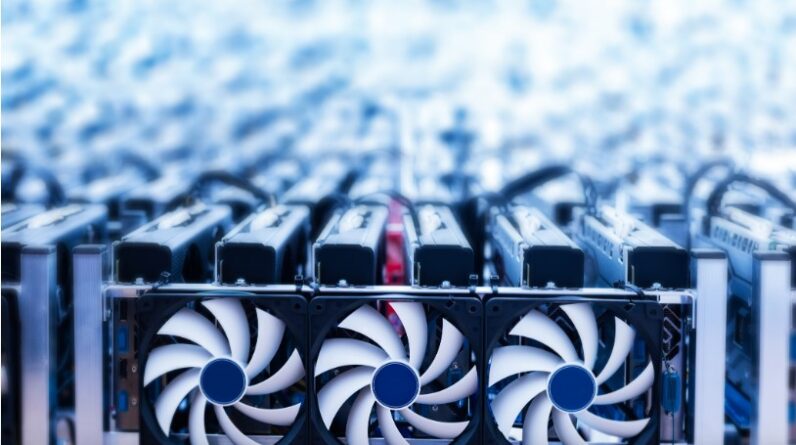
Cryptocurrency Miner
When you think of cryptocurrency, you might envision digital coins and complex algorithms, but at the heart of this ecosystem lies the cryptocurrency miner. A cryptocurrency miner is an individual or entity that participates in the process of validating transactions on a blockchain network. By solving intricate mathematical problems, miners help secure the network and ensure that transactions are processed accurately and securely.
In return for their efforts, they are rewarded with newly minted coins or transaction fees, making mining an essential component of many cryptocurrencies. As a miner, you play a crucial role in maintaining the integrity of the blockchain. Each time a transaction occurs, it needs to be verified and added to the public ledger.
This is where your skills come into play. By utilizing computational power to solve cryptographic puzzles, you contribute to the decentralized nature of cryptocurrencies, ensuring that no single entity has control over the entire network. This decentralized approach not only enhances security but also fosters trust among users, as it eliminates the need for intermediaries.
Key Takeaways
- A cryptocurrency miner is a person or entity that uses computer hardware to validate and process transactions on a blockchain network in exchange for a reward in the form of cryptocurrency.
- Cryptocurrency mining involves solving complex mathematical problems using specialized computer hardware, which helps secure and validate transactions on the blockchain network.
- Cryptocurrency miners play a crucial role in maintaining the security and integrity of the blockchain network by validating transactions and preventing double-spending.
- There are different types of cryptocurrency miners, including individual miners, mining pools, and large-scale mining operations known as mining farms.
- Cryptocurrency mining requires specialized hardware, such as ASICs or GPUs, as well as mining software to manage the mining process. This has raised concerns about its environmental impact due to high energy consumption.
How Does Cryptocurrency Mining Work?
Understanding the Cryptographic Puzzle
This puzzle is designed to be challenging to solve but easy to verify once solved. The first miner to successfully solve the puzzle is rewarded with cryptocurrency for adding the block to the blockchain.
Getting Started with Mining
To begin mining, you need to gather a few essential components: hardware, software, and access to a blockchain network. Your hardware typically consists of powerful computers or specialized mining rigs designed for maximum efficiency. Once you have your setup ready, you install mining software that connects you to the network and allows you to start solving puzzles.
The Mining Process
As you may know, your computer works tirelessly, consuming electricity and generating heat in the process. The more computational power you have, the higher your chances of successfully mining a block and earning rewards.
The Role of Cryptocurrency Miners in the Blockchain Network
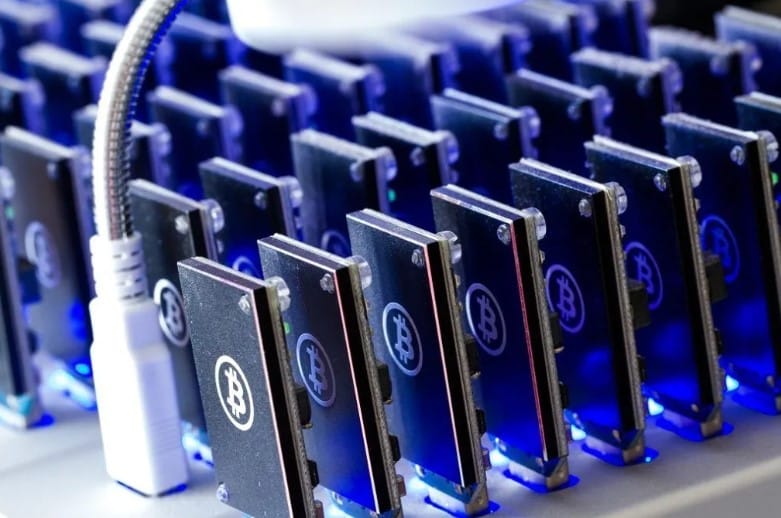
Cryptocurrency miners serve as the backbone of blockchain networks. Without miners, the entire system would collapse under its weight. Your role as a miner extends beyond simply earning rewards; you actively participate in a decentralized consensus mechanism that ensures all transactions are legitimate and secure.
By validating transactions, you help prevent double-spending and fraud, which are critical concerns in any financial system. Moreover, miners contribute to the overall security of the network. The more miners there are, the more decentralized and secure the blockchain becomes.
This decentralization makes it incredibly difficult for malicious actors to manipulate the system or launch attacks. As a miner, you are part of a global community working together to maintain the integrity of the blockchain, fostering trust among users, and encouraging wider adoption of cryptocurrencies.
Types of Cryptocurrency Miners
There are several types of cryptocurrency miners, each with its unique approach and technology. One common type is the solo miner, who operates independently and competes against other miners without joining a mining pool. While this method can yield significant rewards if successful, it also carries higher risks due to increased competition and higher resource requirements.
Another popular option is joining a mining pool, where multiple miners collaborate to increase their chances of solving blocks. In this setup, rewards are distributed among participants based on their contributed computational power. This method allows you to earn smaller but more consistent payouts compared to solo mining.
Additionally, there are cloud miners who rent mining power from remote data centers, rather than investing in their hardware. This option can be appealing for those who want to avoid the complexities of setting up and maintaining mining equipment.
The Hardware and Software Used in Cryptocurrency Mining
To embark on your cryptocurrency mining journey, you’ll need specific hardware and software tailored for this purpose. The hardware landscape has evolved significantly over the years, transitioning from standard CPUs to more advanced GPUs and ASICs (Application-Specific Integrated Circuits). GPUs are popular among miners due to their versatility and efficiency in handling complex calculations.
However, ASICs have become the gold standard for many cryptocurrencies because they are specifically designed for mining tasks, offering unparalleled performance and efficiency. On the software side, you’ll find various mining programs available that cater to different cryptocurrencies and hardware configurations. These programs connect your mining rig to the blockchain network and facilitate communication between miners.
Some popular mining software options include CGMiner, BFGMiner, and EasyMiner. Selecting the optimal combination of hardware and software is essential for maximizing your mining efficiency and profitability.
The Environmental Impact of Cryptocurrency Mining
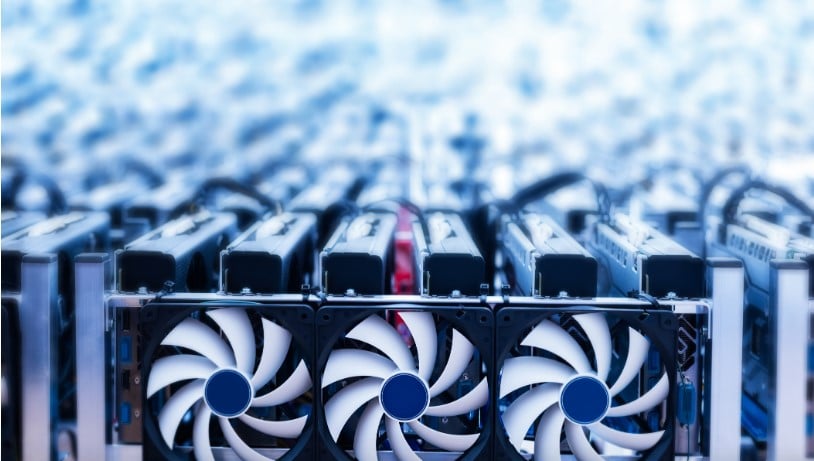
As cryptocurrency mining has gained popularity, so too has concern over its environmental impact. The energy consumption associated with mining operations has raised eyebrows worldwide, particularly as some cryptocurrencies require vast amounts of computational power to validate transactions. If you’re involved in mining, it’s essential to be aware of these environmental implications.
Many critics argue that the energy-intensive nature of mining contributes significantly to carbon emissions and climate change. However, some miners are taking steps to mitigate their environmental footprint by utilizing renewable energy sources such as solar or wind power. By adopting greener practices, you can not only reduce your environmental impact but also potentially lower your operational costs in the long run.
Challenges and Risks Faced by Cryptocurrency Miners
While cryptocurrency mining can be lucrative, it is not without its challenges and risks. One significant hurdle is the increasing difficulty level of mining puzzles as more miners join the network. This means that your chances of successfully mining a block diminish over time unless you continually upgrade your hardware or join a mining pool.
Additionally, market volatility poses another risk for miners. The value of cryptocurrencies can fluctuate dramatically within short periods, impacting your potential profits. If you’re not careful with your investments or fail to adapt to changing market conditions, you may face significant losses.
Furthermore, regulatory changes can also affect your operations; as governments around the world grapple with how to regulate cryptocurrencies, new laws could impact your ability to mine or profit from your efforts.
The Future of Cryptocurrency Mining
Looking ahead, the future of cryptocurrency mining is likely to be shaped by technological advancements and evolving market dynamics. As more people become aware of cryptocurrencies and their potential benefits, demand for mining is expected to continue growing. However, this growth may also lead to increased competition among miners, necessitating further innovation in hardware and software solutions.
Moreover, as environmental concerns gain traction globally, there may be a shift towards more sustainable mining practices. You might see an increase in initiatives aimed at reducing energy consumption or utilizing renewable energy sources in mining operations. Additionally, new consensus mechanisms, such as Proof of Stake (PoS), could emerge as alternatives to traditional Proof of Work (PoW) systems, potentially altering the landscape of cryptocurrency mining altogether.
Cryptocurrency mining is a multifaceted endeavor that plays a vital role in maintaining blockchain networks while presenting both opportunities and challenges for those involved. As you navigate this dynamic field, staying informed about technological advancements and market trends will be crucial for your success as a miner in this ever-evolving digital landscape.
FAQs
What is a cryptocurrency miner?
A cryptocurrency miner is a person or a computer program that verifies and adds transactions to a blockchain. This process involves solving complex mathematical problems, and in return, the miner is rewarded with a certain amount of cryptocurrency.
How does cryptocurrency mining work?
Cryptocurrency mining involves using computer hardware to perform complex mathematical calculations that verify and add transactions to a blockchain. Miners compete to solve these calculations, and the first one to do so is rewarded with a certain amount of cryptocurrency.
What equipment is needed for cryptocurrency mining?
Cryptocurrency mining typically requires specialized computer hardware, such as ASIC (Application-Specific Integrated Circuit) miners for Bitcoin, or GPUs (Graphics Processing Units) for other cryptocurrencies. Additionally, miners require a stable internet connection and access to a reliable power source.
Is cryptocurrency mining profitable?
The profitability of cryptocurrency mining depends on several key factors, including the cost of electricity, the price of the cryptocurrency being mined, and the efficiency of the mining hardware. In some cases, mining can be profitable, but it often requires a significant upfront investment and ongoing operational costs.
What are the environmental concerns related to cryptocurrency mining?
Cryptocurrency mining can consume a substantial amount of electricity, raising concerns about its environmental impact. Some cryptocurrencies, such as Bitcoin, have been criticized for their high energy consumption, as the mining process requires powerful hardware that consumes a lot of electricity.
RELATED TOPICS ABOUT Cryptocurrency Miner:
Crypto Miner
Cryptocurrency Mining
Bitcoin Miner
Ethereum Miner
Best Cryptocurrency Miner
Asic Miner
Gpu Miner
Crypto Mining Hardware
Cryptocurrency Mining Machine
Digital Currency Miner
How Does a Cryptocurrency Miner Work?
Top Crypto Miners in 2025
Crypto Mining Software and Hardware
Solo Vs Pool Mining
Best Miner for Bitcoin and Ethereum
Where to Buy a Crypto Miner
Crypto Miner Setup Guide
Cryptocurrency Miner Profitability
Home Cryptocurrency Miner
Cloud-based Crypto Miners
Start Mining Crypto Today
Earn Passive Income As a Crypto Miner
Choose the Right Miner for Your Coin
Learn How Crypto Mining Works
Compare Top Crypto Mining Devices
===========
Content 10/10/G


