As you navigate the complex world of cryptocurrency, it is essential to grasp the regulatory risks that accompany this innovative financial landscape. The rapid evolution of digital currencies has caught the attention of governments and regulatory bodies worldwide, leading to a patchwork of regulations that can vary significantly from one jurisdiction to another. Understanding these risks is crucial for anyone looking to invest or engage in cryptocurrency transactions.
Regulatory frameworks can impact everything from the legality of certain cryptocurrencies to the tax implications of your trades, making it vital to stay informed. The uncertainty surrounding regulations can create volatility in the market, affecting the value of your investments. For instance, a sudden announcement from a government regarding the ban or restriction of a particular cryptocurrency can lead to sharp price fluctuations.
Additionally, regulatory bodies may impose stringent compliance requirements on exchanges and wallet providers, which can affect your ability to trade or access your assets. By familiarizing yourself with the regulatory landscape, you can better anticipate potential challenges and make informed decisions about your investments.
Key Takeaways
- Regulatory risks in cryptocurrency can include legal and compliance issues, market volatility, and potential government intervention.
- Diversifying your cryptocurrency portfolio can help mitigate regulatory risks by spreading exposure across different assets and sectors.
- Staying informed about regulatory developments is crucial for understanding the potential impact on your cryptocurrency holdings and investment strategy.
- Utilizing decentralized exchanges can reduce regulatory risks by providing a more secure and private trading environment.
- Keeping your cryptocurrency holdings secure through measures such as cold storage and multi-factor authentication is essential for protecting against potential regulatory changes and security threats.
Diversifying Your Cryptocurrency Portfolio
Diversification is a fundamental principle in investing, and it holds true in the realm of cryptocurrency as well. As you build your portfolio, consider spreading your investments across various cryptocurrencies rather than concentrating your funds in a single asset. This strategy can help mitigate risks associated with market volatility and regulatory changes.
By investing in a mix of established coins like Bitcoin and Ethereum alongside emerging altcoins, you can position yourself to benefit from different market trends while reducing the impact of any single asset’s poor performance. Moreover, diversification isn’t limited to just different cryptocurrencies; it can also extend to various sectors within the blockchain ecosystem. For example, you might explore investments in decentralized finance (DeFi) projects, non-fungible tokens (NFTs), or blockchain-based gaming platforms.
Each sector has its unique risks and rewards, and by diversifying across these areas, you can enhance your chances of capitalizing on growth opportunities while safeguarding against downturns in specific markets. Remember, a well-rounded portfolio can provide stability and resilience in an ever-changing landscape.
Staying Informed about Regulatory Developments

In the fast-paced world of cryptocurrency, staying informed about regulatory developments is paramount. As regulations continue to evolve, being aware of changes can help you make timely decisions regarding your investments. Subscribing to reputable news sources, following industry experts on social media, and participating in online forums can provide valuable insights into emerging trends and potential regulatory shifts.
By actively seeking out information, you can position yourself ahead of the curve and adapt your strategies accordingly. Additionally, consider setting up alerts for specific keywords related to cryptocurrency regulations. This proactive approach allows you to receive real-time updates on significant developments that could impact your holdings.
Engaging with communities that focus on regulatory discussions can also enhance your understanding of how different jurisdictions are approaching cryptocurrency regulation. By fostering a habit of continuous learning, you empower yourself to navigate the complexities of the regulatory landscape with confidence.
Utilizing Decentralized Exchanges
Decentralized exchanges (DEXs) have gained popularity as an alternative to traditional centralized exchanges, offering users greater control over their assets and transactions. By utilizing DEXs, you can reduce your exposure to regulatory risks associated with centralized platforms that may be subject to stringent compliance requirements. DEXs operate on blockchain technology, allowing users to trade directly with one another without the need for intermediaries.
This peer-to-peer model not only enhances privacy but also minimizes the risk of government intervention. Moreover, DEXs often provide access to a wider range of cryptocurrencies and trading pairs compared to their centralized counterparts. This expanded selection allows you to diversify your portfolio more effectively and explore emerging projects that may not be listed on mainstream exchanges.
However, while DEXs offer numerous advantages, it’s essential to exercise caution and conduct thorough research before engaging with any platform. Understanding the underlying technology and security measures in place will help you make informed decisions and protect your investments.
Keeping Your Cryptocurrency Holdings Secure
Security is a paramount concern when it comes to managing your cryptocurrency holdings. With the rise of cyber threats and hacking incidents targeting exchanges and wallets, taking proactive measures to safeguard your assets is essential. Start by choosing reputable wallets that prioritize security features such as two-factor authentication (2FA) and multi-signature capabilities.
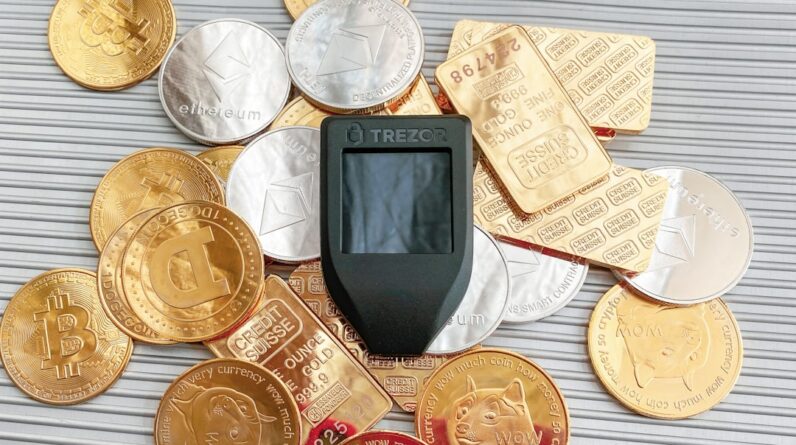
Hardware wallets are particularly recommended for long-term storage, as they provide an offline solution that minimizes exposure to online threats. In addition to selecting secure wallets, it’s crucial to adopt best practices for managing your private keys and recovery phrases. Never share this sensitive information with anyone, and consider using password managers to store your credentials securely.
Regularly updating your passwords and enabling security features on your accounts can further enhance your protection against unauthorized access. By prioritizing security measures, you can enjoy peace of mind knowing that your cryptocurrency holdings are well-protected.
Engaging with Regulatory Authorities

Engaging with regulatory authorities can be a proactive way to stay informed about potential changes that may affect your cryptocurrency investments. Many governments have established channels for public consultation regarding cryptocurrency regulations, allowing individuals and businesses to voice their opinions and concerns. By participating in these discussions, you not only contribute to shaping the regulatory landscape but also gain insights into the direction regulators are considering.
Additionally, building relationships with local regulatory bodies can provide you with valuable information about compliance requirements and best practices for operating within the legal framework. Attending industry conferences or workshops where regulators are present can facilitate networking opportunities and foster dialogue about the future of cryptocurrency regulation. By actively engaging with authorities, you position yourself as a responsible participant in the ecosystem while staying informed about developments that could impact your investments.
Seeking Legal Counsel
As the regulatory landscape surrounding cryptocurrency continues to evolve, seeking legal counsel can be a prudent step for anyone involved in this space. A knowledgeable attorney specializing in cryptocurrency law can provide valuable guidance on compliance issues, tax implications, and potential legal risks associated with your investments. They can help you navigate complex regulations and ensure that you are operating within the bounds of the law.
Moreover, legal counsel can assist you in drafting contracts or agreements related to cryptocurrency transactions or partnerships. Whether you’re launching a new project or investing in an existing one, having legal expertise on your side can help mitigate risks and protect your interests. By prioritizing legal guidance, you empower yourself to make informed decisions while minimizing potential pitfalls in an ever-changing regulatory environment.
Being Prepared for Potential Regulatory Changes
The dynamic nature of cryptocurrency regulation means that being prepared for potential changes is essential for any investor or participant in the space. As governments around the world continue to grapple with how to regulate digital currencies, new policies may emerge that could significantly impact your holdings or trading strategies. Developing a flexible investment approach allows you to adapt quickly to changing circumstances while minimizing disruptions to your portfolio.
Consider creating contingency plans for various regulatory scenarios that could arise. For instance, if a particular cryptocurrency faces increased scrutiny or restrictions in your jurisdiction, having an alternative strategy in place can help you pivot effectively. Additionally, regularly reviewing and adjusting your investment strategy based on evolving regulations will ensure that you remain aligned with compliance requirements while maximizing growth opportunities.
By staying proactive and adaptable, you position yourself for success in an unpredictable regulatory landscape. In conclusion, navigating the world of cryptocurrency requires a multifaceted approach that encompasses understanding regulatory risks, diversifying your portfolio, staying informed about developments, utilizing decentralized exchanges, securing your holdings, engaging with authorities, seeking legal counsel, and preparing for potential changes. By adopting these strategies, you empower yourself to thrive in this dynamic environment while safeguarding your investments against unforeseen challenges.
FAQs
What are potential regulatory actions that may affect specific cryptocurrency assets?
Potential regulatory actions that may affect specific cryptocurrency assets include government regulations, bans, restrictions, and legal actions that could impact the trading, holding, or use of certain cryptocurrencies.
How can I protect my cryptocurrency holdings from potential regulatory actions?
To protect your cryptocurrency holdings from potential regulatory actions, you can diversify your portfolio by investing in a variety of different cryptocurrencies, stay informed about regulatory developments, and consider using secure storage options such as hardware wallets.
What are some best practices for staying informed about regulatory developments in the cryptocurrency space?
Some best practices for staying informed about regulatory developments in the cryptocurrency space include following reputable news sources, joining cryptocurrency communities and forums, and monitoring official announcements from regulatory authorities.
Are there any specific storage options that can help protect cryptocurrency holdings from potential regulatory actions?
Hardware wallets, which are physical devices that store cryptocurrency offline, are considered one of the most secure storage options for protecting cryptocurrency holdings from potential regulatory actions. These wallets are not connected to the internet, making them less vulnerable to hacking or regulatory interference.