
When you delve into the world of Ethereum, grasping the fundamentals of security is paramount. Ethereum, as a decentralized platform, operates on a blockchain that is inherently secure due to its cryptographic principles. However, this does not mean that you are immune to risks.
Understanding how the Ethereum network functions, including its consensus mechanisms and the role of miners, is essential for safeguarding your assets. The decentralized nature of Ethereum means that there is no central authority to turn to in case of a security breach, making it crucial for you to take proactive measures to protect your investments. Moreover, the security of Ethereum is not solely dependent on the blockchain itself; it also involves the applications and smart contracts built on top of it.
These contracts can be vulnerable to bugs and exploits if not coded correctly. As a user, you should familiarize yourself with the common vulnerabilities associated with smart contracts, such as reentrancy attacks and integer overflows. By understanding these risks, you can make informed decisions about which projects to engage with and how to interact with them safely.
Key Takeaways
- Understanding the basics of Ethereum security is crucial for safe participation in the ecosystem.
- Secure wallets and exchanges play a vital role in protecting your Ethereum assets from theft and fraud.
- Protecting your private keys and seed phrases is essential for maintaining control over your Ethereum holdings.
- Recognizing and avoiding phishing scams is important to prevent unauthorized access to your Ethereum accounts.
- Utilizing two-factor authentication adds an extra layer of security to your Ethereum accounts and transactions.
The Importance of Secure Wallets and Exchanges
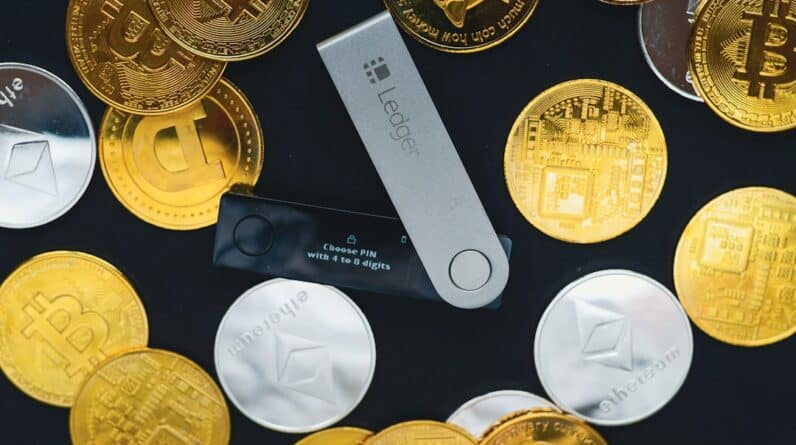
When it comes to managing your Ethereum assets, the choice of wallet and exchange plays a critical role in your overall security strategy. A secure wallet is your first line of defense against potential threats. You have several options available, including hardware wallets, software wallets, and paper wallets.
Hardware wallets are often considered the most secure because they store your private keys offline, making them less susceptible to hacking attempts. On the other hand, software wallets, while more convenient for daily transactions, can be vulnerable if not properly secured. Exchanges also present their own set of risks.
While they provide a platform for trading Ethereum and other cryptocurrencies, they can be prime targets for hackers. It’s essential for you to choose reputable exchanges that prioritize security measures such as cold storage for funds and regular security audits. Additionally, consider using decentralized exchanges (DEXs) where possible, as they allow you to retain control over your private keys and reduce reliance on third-party platforms.
Protecting Your Private Keys and Seed Phrases
Your private keys and seed phrases are the keys to your Ethereum kingdom; losing them can result in irreversible loss of access to your funds. Therefore, safeguarding these critical pieces of information should be at the forefront of your security practices. One effective method is to store your private keys offline in a secure location, such as a safe or a hardware wallet.
This minimizes the risk of exposure to online threats that could compromise your assets. In addition to physical security, you should also be cautious about sharing your private keys or seed phrases with anyone. No legitimate service will ever ask for this information, so if someone does, it’s a red flag.
Educate yourself on the importance of these keys and ensure that you have backup copies stored securely in multiple locations. This way, even if one copy is lost or damaged, you still have access to your funds.
Recognizing and Avoiding Phishing Scams
Phishing scams are one of the most prevalent threats in the cryptocurrency space, and being able to recognize them is crucial for your security. These scams often come in the form of emails or messages that appear to be from legitimate sources, urging you to click on links or provide sensitive information. You should always verify the authenticity of any communication before taking action.
Look for signs such as misspellings in URLs or email addresses that don’t match official domains. To further protect yourself from phishing attempts, consider using browser extensions that can help identify fraudulent websites. Additionally, always type URLs directly into your browser instead of clicking on links from emails or social media.
By being vigilant and skeptical about unsolicited communications, you can significantly reduce your risk of falling victim to these scams.
Utilizing Two-Factor Authentication for Added Security
Implementing two-factor authentication (2FA) is an effective way to bolster your security when accessing your Ethereum accounts. 2FA adds an extra layer of protection by requiring not only your password but also a second form of verification, such as a code sent to your mobile device or generated by an authentication app. This means that even if someone manages to obtain your password, they would still need access to your second factor to gain entry.
You should enable 2FA on all platforms where it is available, including wallets and exchanges. While it may seem like an extra step in your login process, the added security it provides is well worth it. Additionally, consider using an authenticator app rather than SMS-based verification whenever possible, as SMS can be intercepted more easily than app-generated codes.
Keeping Your Software and Hardware Up to Date
Protecting Against Known Threats
Outdated software can leave you vulnerable to attacks, making it essential to stay on top of updates. By doing so, you can ensure that you are protected against known threats and minimize the risk of a security breach.
The Importance of Hardware Updates
Hardware updates are equally important for devices used in managing your Ethereum assets. Outdated operating systems can expose you to risks that newer versions have addressed. Make it a habit to regularly check for updates and install them promptly to minimize the risk of a security breach.
Staying Ahead of Potential Security Breaches
By adopting a proactive approach to software and hardware updates, you can stay one step ahead of potential security breaches. This habit will help you maintain a secure environment for your Ethereum assets and ensure that you are protected against known and unknown threats.
Implementing Smart Contract Security Measures
If you are involved in developing or interacting with smart contracts on the Ethereum network, understanding smart contract security measures is vital. Smart contracts are immutable once deployed; therefore, any vulnerabilities present at launch can lead to significant financial losses. You should familiarize yourself with best practices for coding secure smart contracts, such as thorough testing and auditing before deployment.
Additionally, consider using established frameworks and libraries that have been vetted by the community. These tools often come with built-in security features that can help mitigate common vulnerabilities. Engaging with professional auditors who specialize in smart contract security can also provide an extra layer of assurance before you deploy any contract.
Identifying and Avoiding Ponzi Schemes and Pyramid Schemes
The allure of quick profits can sometimes cloud judgment, leading individuals into Ponzi schemes or pyramid schemes disguised as legitimate investment opportunities within the Ethereum space. It’s crucial for you to conduct thorough research before investing in any project that promises unusually high returns with little risk involved. If something sounds too good to be true, it probably is.
You should look for red flags such as lack of transparency about how returns are generated or pressure tactics urging you to invest quickly without adequate information. Engaging with community forums and seeking opinions from experienced users can also help you identify potential scams before they become costly mistakes.
Navigating the Risks of DeFi (Decentralized Finance)
Decentralized Finance (DeFi) has revolutionized how individuals interact with financial services by removing intermediaries and enabling peer-to-peer transactions on the Ethereum blockchain. However, this innovation comes with its own set of risks that you must navigate carefully. Smart contract vulnerabilities are prevalent in DeFi protocols; thus, understanding how these contracts work is essential before participating in any DeFi project.
Additionally, be aware of impermanent loss when providing liquidity to decentralized exchanges or liquidity pools. This phenomenon occurs when the value of your deposited assets fluctuates compared to holding them outright. By educating yourself about these risks and conducting thorough research on DeFi projects before investing, you can make informed decisions that align with your risk tolerance.
The Role of Community and Peer Reviews in Ethereum Security
The Ethereum community plays a significant role in enhancing security through collective knowledge sharing and peer reviews. Engaging with community forums and social media platforms allows you to stay informed about emerging threats and best practices in securing your assets. You should actively participate in discussions and seek advice from experienced members who can provide valuable insights based on their experiences.
Peer reviews are also crucial when evaluating new projects or smart contracts. Many developers seek feedback from the community before launching their projects, which can help identify potential vulnerabilities early on. By leveraging community resources and staying connected with fellow users, you can enhance your understanding of security measures within the Ethereum ecosystem.
Seeking Professional Advice and Resources for Enhanced Security
While self-education is vital in navigating Ethereum security, seeking professional advice can provide additional layers of protection for your assets. Consider consulting with cybersecurity experts who specialize in cryptocurrency security or engaging with firms that offer auditing services for smart contracts. Their expertise can help identify vulnerabilities that may not be apparent to the average user.
Furthermore, utilize online resources such as blogs, webinars, and courses focused on cryptocurrency security best practices. Many organizations within the blockchain space offer educational materials designed to empower users like you with knowledge about securing their assets effectively. By combining self-education with professional guidance, you can create a robust security strategy tailored to your needs in the ever-evolving landscape of Ethereum.
FAQs
What is Ethereum?
Ethereum is a decentralized platform that enables developers to build and deploy smart contracts and decentralized applications (DApps). It is powered by its native cryptocurrency, Ether (ETH).
Why is security important in Ethereum?
Security is crucial in Ethereum because it involves handling valuable assets such as Ether and other tokens. Without proper security measures, there is a risk of theft, fraud, and other malicious activities.
How can I protect my Ethereum investments?
You can protect your Ethereum investments by using secure wallets, enabling two-factor authentication, being cautious of phishing scams, and keeping your private keys and seed phrases safe and secure.
What are the common security risks in Ethereum?
Common security risks in Ethereum include phishing attacks, malware, hacking of exchanges and wallets, smart contract vulnerabilities, and social engineering attacks.
What is a secure wallet for storing Ethereum?
Secure wallets for storing Ethereum include hardware wallets, such as Ledger and Trezor, and reputable software wallets like MetaMask and MyEtherWallet. It is important to choose a wallet that offers strong security features and has a good reputation in the community.
How can I avoid falling victim to phishing scams in Ethereum?
To avoid falling victim to phishing scams in Ethereum, always double-check the URL of websites and ensure they are legitimate. Do not click on suspicious links or provide your private keys or seed phrases to anyone. Be cautious of unsolicited emails and messages asking for personal information.