Non-fungible tokens, commonly known as NFTs, represent a revolutionary shift in how we perceive ownership and value in the digital realm. Unlike cryptocurrencies such as Bitcoin or Ethereum, which are fungible and can be exchanged on a one-to-one basis, NFTs are unique digital assets that cannot be replicated. Each NFT is stored on a blockchain, a decentralized ledger that ensures its authenticity and provenance.
This uniqueness allows NFTs to represent a wide array of digital items, including art, music, videos, virtual real estate, and even tweets. As you delve into the world of NFTs, you’ll discover that they have opened up new avenues for creators and collectors alike. The appeal of NFTs lies in their ability to confer ownership of digital items in a way that was previously impossible.
Imagine owning a piece of digital art that no one else can claim as theirs; this is the essence of what NFTs offer. Artists can tokenize their work, providing them with a new revenue stream while also allowing collectors to invest in unique pieces. The concept of digital scarcity has emerged, where the rarity of an NFT can significantly enhance its value.
As you explore this landscape, you’ll find that the potential applications of NFTs extend far beyond art, touching on gaming, virtual reality, and even ticketing for events.
Key Takeaways
- NFTs are unique digital assets that are stored on a blockchain and represent ownership of a specific item or piece of content.
- Finding and purchasing NFTs involves browsing NFT marketplaces, participating in auctions, and using cryptocurrency to make the purchase.
- Selling your NFTs can be done through NFT marketplaces, where you can set a price or auction your item to the highest bidder.
- NFT marketplaces are online platforms where users can buy, sell, and trade NFTs, with popular options including OpenSea, Rarible, and Foundation.
- Understanding NFT wallets is essential for securely storing and managing your NFTs, with options including digital wallets and hardware wallets.
- Navigating the legal aspects of NFTs involves understanding copyright, licensing, and ownership rights, as well as potential tax implications.
- NFT trends and best practices include staying informed about the market, creating high-quality NFTs, and engaging with the NFT community.
- Tips for buying and selling NFTs include doing thorough research, setting a budget, and being cautious of potential scams and fraud.
Finding and purchasing NFTs
When it comes to finding and purchasing NFTs, the process can be both exciting and overwhelming. The first step is to identify the type of NFT you are interested in—whether it’s digital art, music, or virtual collectibles. Various platforms cater to different niches, so it’s essential to do your research.
You might start by browsing popular NFT marketplaces like OpenSea, Rarible, or Foundation. These platforms showcase a wide range of NFTs from various creators, allowing you to explore and discover pieces that resonate with you. Once you’ve found an NFT that piques your interest, the next step is to make a purchase.
Most transactions are conducted using cryptocurrencies, primarily Ethereum. Therefore, you’ll need to set up a digital wallet that supports Ethereum and connect it to your chosen marketplace. After funding your wallet with cryptocurrency, you can proceed to buy the NFT.
Keep in mind that gas fees—transaction fees on the Ethereum network—can fluctuate based on network congestion, so it’s wise to monitor these costs before finalizing your purchase. As you navigate this process, remember to verify the authenticity of the NFT and the reputation of the seller to ensure a smooth transaction.
Selling your NFTs

If you’re looking to sell your NFTs, the process is relatively straightforward but requires some strategic thinking. First, you’ll need to choose a marketplace where you want to list your NFT for sale. Each platform has its own set of rules and audience demographics, so consider where your NFT might attract the most interest.
Once you’ve selected a marketplace, you can create a listing for your NFT by providing details such as its title, description, and any relevant attributes that make it unique. Setting the right price for your NFT is crucial. You can choose between fixed pricing or auction-style listings where buyers can bid on your item.
Research similar NFTs to gauge market trends and determine a competitive price point. Additionally, consider promoting your NFT through social media channels or online communities dedicated to NFTs. Engaging with potential buyers can help generate interest and increase your chances of making a sale.
As you embark on this selling journey, remember that patience is key; finding the right buyer may take time.
NFT marketplaces
NFT marketplaces serve as the primary platforms for buying, selling, and trading non-fungible tokens. Each marketplace has its unique features and user base, catering to different types of NFTs and audiences. OpenSea is one of the largest and most well-known marketplaces, offering a vast selection of digital art, collectibles, and virtual goods.
Its user-friendly interface makes it easy for both buyers and sellers to navigate the platform. As you explore OpenSea, you’ll find various categories and filters that allow you to discover new artists and trending collections. Another notable marketplace is Rarible, which emphasizes community involvement by allowing users to create and sell their own NFTs without needing extensive technical knowledge.
Rarible also has a governance token that enables users to participate in decision-making processes regarding platform developments. If you’re interested in high-end digital art, platforms like SuperRare or Foundation may be more suitable for you. These marketplaces curate exclusive collections from established artists, often resulting in higher-quality offerings.
As you familiarize yourself with these platforms, consider what aligns best with your interests and goals in the NFT space.
Understanding NFT wallets
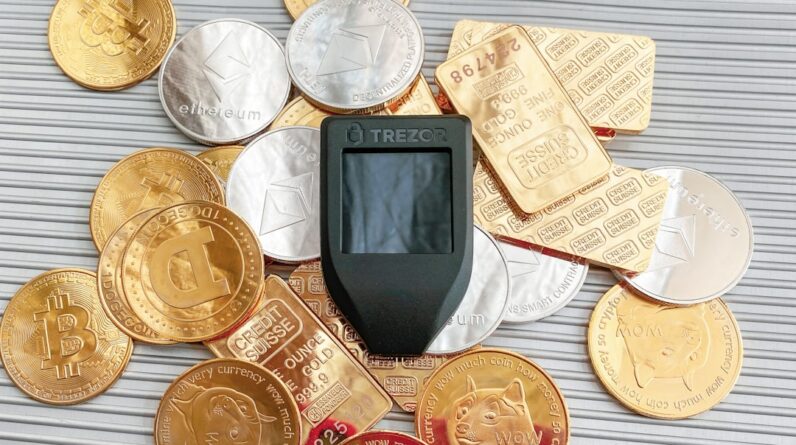
To engage with NFTs effectively, understanding digital wallets is essential. An NFT wallet is a secure digital storage solution that allows you to hold your cryptocurrencies and NFTs safely. There are various types of wallets available—hot wallets (connected to the internet) and cold wallets (offline storage).
Hot wallets are convenient for frequent transactions but may be more vulnerable to hacks. Cold wallets provide enhanced security for long-term storage but require more effort to access. When selecting a wallet for your NFTs, consider compatibility with the blockchain on which your NFTs are minted—most commonly Ethereum.
Popular wallet options include MetaMask, Trust Wallet, and Coinbase Wallet. Once you’ve set up your wallet, you can connect it to various NFT marketplaces for seamless transactions. It’s crucial to keep your wallet’s private keys secure; losing access could mean losing your entire collection of NFTs.
As you navigate this aspect of the NFT ecosystem, prioritize security measures to protect your valuable digital assets.
Navigating the legal aspects of NFTs

As the NFT market continues to grow rapidly, understanding the legal implications surrounding these digital assets becomes increasingly important. One key area to consider is intellectual property rights. When purchasing an NFT, it’s essential to clarify what rights you are acquiring alongside the token itself.
Owning an NFT does not automatically grant you copyright or reproduction rights unless explicitly stated by the creator. Familiarizing yourself with these nuances can help prevent potential disputes down the line. Additionally, regulatory frameworks surrounding cryptocurrencies and NFTs are still evolving in many jurisdictions.
Depending on where you reside, there may be tax implications associated with buying or selling NFTs. It’s advisable to consult with legal or financial professionals who specialize in digital assets to ensure compliance with local laws and regulations. As you navigate this complex landscape, staying informed about legal developments will empower you to make educated decisions regarding your NFT investments.
NFT trends and best practices
The world of NFTs is dynamic and ever-evolving, with trends emerging regularly that can influence market behavior and investment strategies. One notable trend is the rise of fractional ownership, allowing multiple investors to own shares of high-value NFTs. This democratizes access to expensive digital assets and opens up new opportunities for collectors who may not have been able to afford entire pieces on their own.
Another trend gaining traction is the integration of NFTs into gaming ecosystems. Many game developers are exploring ways to incorporate NFTs as in-game assets that players can buy, sell, or trade outside of the game environment. This creates a new layer of engagement for players while also providing developers with additional revenue streams.
As you keep an eye on these trends, consider how they might impact your buying or selling strategies within the NFT space.
Tips for buying and selling NFTs
As you embark on your journey in the world of NFTs, there are several tips that can enhance your experience and increase your chances of success in buying and selling these digital assets. First and foremost, conduct thorough research before making any purchases or sales. Familiarize yourself with market trends, artist backgrounds, and comparable sales data to make informed decisions.
Networking within the NFT community can also be beneficial; engaging with other collectors and creators can provide valuable insights and opportunities for collaboration or investment. Additionally, don’t rush into purchases based solely on hype; take your time to evaluate each piece carefully before committing your funds. When selling your NFTs, consider timing your listings strategically—launching during peak market activity can attract more potential buyers.
In conclusion, navigating the world of NFTs requires a blend of curiosity, research, and strategic thinking. By understanding what NFTs are and how they function within various marketplaces, you can position yourself effectively as both a buyer and seller in this exciting digital landscape. Whether you’re an artist looking to showcase your work or a collector seeking unique pieces for your portfolio, embracing best practices will help you thrive in this innovative space.
FAQs
What are NFTs?
NFTs, or non-fungible tokens, are digital assets that represent ownership or proof of authenticity of a unique item or piece of content, such as artwork, music, videos, or collectibles, using blockchain technology.
How do I buy NFTs?
To buy NFTs, you can use a cryptocurrency wallet and connect it to an NFT marketplace, such as OpenSea, Rarible, or Foundation. Once connected, you can browse and purchase NFTs using cryptocurrency, typically Ethereum.
How do I sell NFTs?
To sell NFTs, you can create an account on an NFT marketplace and upload your digital assets as NFTs. Once listed, interested buyers can purchase your NFTs using cryptocurrency, and you will receive the payment in your connected cryptocurrency wallet.
What do I need to buy and sell NFTs?
You will need a cryptocurrency wallet to store and transfer cryptocurrency, as well as access to an NFT marketplace to buy and sell NFTs. Additionally, you will need to pay attention to gas fees and network congestion when transacting with NFTs on the blockchain.