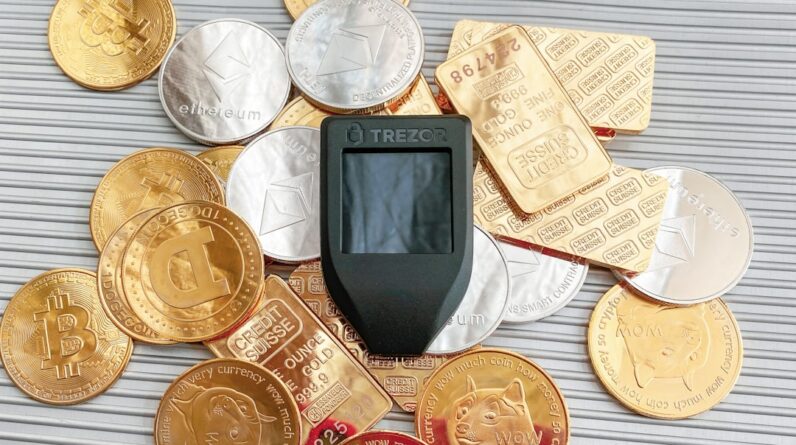
Cryptocurrency mining is a fascinating process that serves as the backbone of many digital currencies, including Bitcoin and Ethereum. At its core, mining involves validating transactions on a blockchain network and adding them to the public ledger. This process is crucial because it ensures the integrity and security of the cryptocurrency ecosystem.
When you mine, you are essentially competing with other miners to solve complex mathematical problems, and the first one to solve it gets to add a new block to the blockchain. In return for your efforts, you receive a reward in the form of cryptocurrency, which can be a lucrative venture if done correctly. As you delve deeper into the world of cryptocurrency mining, you’ll discover that it is not just about the rewards; it’s also about contributing to a decentralized financial system.
By participating in mining, you help maintain the network’s security and reliability, making it more resilient against attacks. However, it’s essential to understand that mining requires significant computational power and energy consumption. This means that before you embark on your mining journey, you should consider the costs involved, including electricity bills and hardware investments.
Understanding these fundamentals will prepare you for the challenges and rewards that lie ahead in the world of cryptocurrency mining.
Key Takeaways
- Cryptocurrency mining is the process of validating transactions and adding them to the blockchain using powerful computers.
- When selecting hardware components for mining, consider factors such as hash rate, power consumption, and cost.
- Assembling the mining rig involves connecting the CPU, GPU, RAM, storage, and power supply unit in a well-ventilated area.
- Installing the operating system involves choosing a suitable OS such as Windows, Linux, or ethOS for mining operations.
- Configuring the mining software involves setting up a wallet, joining a mining pool, and optimizing settings for maximum efficiency.
Selecting the Right Hardware Components
Choosing the right hardware components is critical to your success in cryptocurrency mining. The performance of your mining rig largely depends on the quality and specifications of the components you select. At the heart of your mining operation will be the graphics processing unit (GPU) or application-specific integrated circuit (ASIC).
GPUs are versatile and can mine various cryptocurrencies, while ASICs are designed for specific coins and offer superior performance but less flexibility. Depending on your budget and goals, you’ll need to weigh the pros and cons of each option carefully. In addition to the GPU or ASIC, other components play a vital role in your mining rig’s overall efficiency.
The motherboard must be compatible with your chosen GPU or ASIC, and it should have enough slots for multiple GPUs if you plan to scale your operation. A reliable power supply unit (PSU) is also essential, as mining rigs consume a significant amount of electricity. You’ll want a PSU that can handle the load while providing stable power to your components.
Lastly, don’t overlook cooling solutions; effective cooling is necessary to prevent overheating and ensure optimal performance during long mining sessions.
Assembling the Mining Rig

Once you’ve gathered all the necessary hardware components, it’s time to assemble your mining rig. This process can be both exciting and daunting, especially if you’re new to building computers. Start by carefully reading the manuals for each component to familiarize yourself with their installation procedures.
Begin with the motherboard, placing it in a suitable frame or case that allows for adequate airflow. Next, install the CPU and RAM before attaching your GPU(s) or ASICs. Ensure that all connections are secure and that cables are neatly organized to avoid any potential hazards.
After assembling the core components, it’s crucial to double-check everything before powering on your rig. Make sure that all power connections are properly seated and that there are no loose cables that could interfere with performance. Once you’re confident in your assembly, connect your rig to a monitor and power it on.
If everything is functioning correctly, you should see the BIOS screen. This initial setup is an important step in ensuring that your mining rig operates smoothly once you install the operating system and mining software.
Installing the Operating System
With your mining rig assembled and powered on, the next step is to install an operating system (OS). The choice of OS can significantly impact your mining experience, so it’s essential to select one that is compatible with your hardware and mining software. Many miners prefer using Windows due to its user-friendly interface and broad compatibility with various mining applications.
However, Linux-based systems like Ubuntu are also popular among experienced miners for their stability and efficiency. To install the OS, you’ll need a bootable USB drive containing the installation files. Insert the USB drive into your rig and follow the on-screen instructions to complete the installation process.
Once installed, take some time to configure basic settings such as network connections and updates. After setting up your OS, it’s advisable to install any necessary drivers for your GPU or ASIC to ensure optimal performance during mining operations. A well-configured operating system will lay a solid foundation for your mining software and overall rig performance.
Configuring the Mining Software
After successfully installing the operating system, it’s time to configure your mining software. This software acts as a bridge between your hardware and the blockchain network, allowing you to participate in mining activities effectively. There are numerous mining software options available, each tailored for different cryptocurrencies and hardware configurations.
Popular choices include CGMiner, BFGMiner, and EasyMiner for GPU mining, while ASIC miners often come with their proprietary software. When configuring your mining software, you’ll need to input specific details such as your wallet address where rewards will be sent and the mining pool you wish to join if you’re not mining solo. Joining a mining pool can increase your chances of earning rewards consistently by combining resources with other miners.
Once you’ve entered all necessary information, run a test to ensure everything is functioning correctly. Monitoring software can also be beneficial at this stage; it allows you to track performance metrics such as hash rate and temperature, ensuring that your rig operates efficiently.
Overclocking and Optimizing Performance

To maximize your mining rig’s potential, consider overclocking your GPU or ASIOverclocking involves increasing the clock speed of your hardware beyond its factory settings, which can lead to higher hash rates and improved performance. However, this process requires caution; pushing your hardware too far can result in overheating or damage. Before overclocking, familiarize yourself with safe temperature limits for your components and use reliable software tools designed for monitoring temperatures and performance.
In addition to overclocking, optimizing other aspects of your rig can further enhance its efficiency. Adjusting power settings can help reduce energy consumption while maintaining performance levels. Additionally, fine-tuning fan speeds can improve cooling without excessive noise levels.
Regularly updating your mining software can also lead to performance improvements as developers release patches and enhancements based on user feedback. By taking these steps, you can ensure that your mining rig operates at peak efficiency while minimizing risks associated with overclocking.
Monitoring and Maintaining the Mining Rig
Once your mining rig is up and running, ongoing monitoring and maintenance are crucial for long-term success. Regularly check performance metrics such as hash rate, temperature, and power consumption using monitoring software or built-in tools provided by your mining software. Keeping an eye on these metrics will help you identify any potential issues before they escalate into significant problems.
Maintenance tasks should also be part of your routine. Dust accumulation can hinder cooling efficiency, so periodically clean your rig’s components using compressed air or a soft brush. Additionally, ensure that all connections remain secure over time; vibrations from fans or other components can loosen cables or connectors.
By staying proactive with monitoring and maintenance, you can extend the lifespan of your mining rig while maximizing its profitability.
Troubleshooting Common Issues
Even with careful planning and execution, issues may arise during your cryptocurrency mining journey. Familiarizing yourself with common problems can save you time and frustration when they occur. One frequent issue is hardware failure; if you notice a sudden drop in hash rate or unusual noises from your rig, it may indicate a failing component.
In such cases, running diagnostic tests can help pinpoint the problem. Another common issue involves software-related challenges such as connectivity problems with mining pools or incorrect wallet addresses leading to lost rewards. Always double-check configurations when setting up new software or making changes to existing settings.
If you’re experiencing persistent issues that you cannot resolve on your own, consider reaching out to online communities or forums dedicated to cryptocurrency mining; many experienced miners are willing to share their insights and solutions. In conclusion, embarking on a cryptocurrency mining venture requires careful planning, investment in quality hardware, and ongoing maintenance efforts. By understanding each step—from selecting components to troubleshooting issues—you can navigate this complex yet rewarding landscape effectively.
With dedication and knowledge, you can turn your passion for cryptocurrency into a profitable endeavor while contributing to a decentralized financial future.
FAQs
What is DIY crypto mining hardware setup?
DIY crypto mining hardware setup refers to the process of building and configuring your own mining rig for cryptocurrency mining. This involves assembling the necessary hardware components such as graphic cards, power supply units, motherboards, and cooling systems.
What are the benefits of DIY crypto mining hardware setup?
The benefits of DIY crypto mining hardware setup include cost savings, customization options, and the ability to choose specific hardware components that best suit your mining needs. Additionally, DIY setups can be more flexible and easier to upgrade compared to pre-built mining rigs.
What are the basic components needed for a DIY crypto mining hardware setup?
The basic components needed for a DIY crypto mining hardware setup include graphic cards (GPUs), a motherboard, a CPU, memory (RAM), a power supply unit (PSU), storage (SSD or HDD), a mining rig frame, and a cooling system.
What are some important considerations for DIY crypto mining hardware setup?
Important considerations for DIY crypto mining hardware setup include power consumption, heat management, hardware compatibility, and the overall cost of the setup. It’s also important to consider the specific cryptocurrency you intend to mine and adjust your hardware setup accordingly.
Are there any risks or challenges associated with DIY crypto mining hardware setup?
Some risks and challenges associated with DIY crypto mining hardware setup include potential hardware compatibility issues, the need for technical knowledge and troubleshooting skills, and the risk of voiding warranties on individual components. Additionally, there may be safety concerns related to electrical and heat hazards.