When you delve into the world of cryptocurrencies, one of the first things that may catch your attention is the extreme volatility that characterizes this market. Prices can soar to unprecedented heights within a matter of hours, only to plummet just as rapidly. This erratic behavior can be both exhilarating and terrifying, especially for those who are new to trading or investing in digital assets.
You might find yourself riding the emotional rollercoaster that comes with watching your investments fluctuate wildly, which can lead to impulsive decisions driven by fear or greed. Understanding the factors that contribute to these price fluctuations is crucial for anyone looking to navigate the crypto landscape. Market sentiment, news events, and even social media trends can have a profound impact on prices.
For instance, a single tweet from a prominent figure can send prices spiraling in one direction or another. As you engage with this market, it’s essential to develop a strategy that accounts for this volatility, whether that means setting stop-loss orders or diversifying your portfolio to mitigate risk. By doing so, you can better position yourself to weather the storms of price changes and make informed decisions based on analysis rather than emotion.
Key Takeaways
- Volatility and price fluctuations are common in the cryptocurrency market, making it a high-risk investment.
- Security and hacking risks are prevalent in the cryptocurrency space, with numerous cases of exchanges and wallets being compromised.
- Regulatory and legal risks exist due to the lack of clear guidelines and oversight in the cryptocurrency market.
- Market manipulation is a concern in the cryptocurrency market, with the potential for large players to influence prices.
- Lack of consumer protection is a significant issue in the cryptocurrency market, with limited recourse for investors in case of fraud or loss.
- Technology risks, such as software bugs and network vulnerabilities, pose a threat to the stability and security of cryptocurrencies.
- Fraud and scams are widespread in the cryptocurrency market, with investors being targeted through various schemes and fraudulent activities.
- Market liquidity can be a challenge in the cryptocurrency market, leading to potential difficulties in buying or selling large amounts of cryptocurrencies without significantly impacting the price.
Security and Hacking Risks
As you explore the realm of cryptocurrencies, security should be at the forefront of your mind. The digital nature of these assets makes them particularly susceptible to hacking and cyberattacks. High-profile breaches have occurred, resulting in significant losses for investors and exchanges alike.
You may find yourself questioning the safety of your funds, especially if you store them on an exchange rather than in a personal wallet. The reality is that while blockchain technology is inherently secure, the platforms built around it can be vulnerable. To protect yourself, it’s vital to adopt best practices for securing your digital assets.
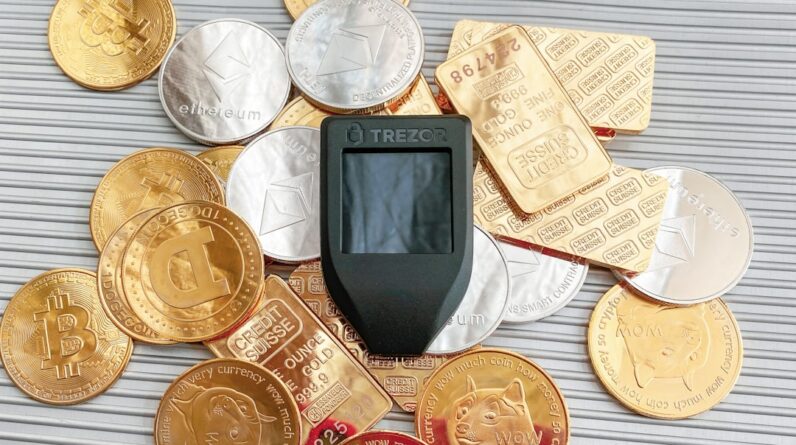
This includes using hardware wallets for long-term storage, enabling two-factor authentication on your accounts, and being cautious about sharing personal information online. Additionally, staying informed about the latest security threats and trends can help you make better decisions regarding where and how to store your cryptocurrencies. By prioritizing security, you can significantly reduce the risk of falling victim to hacking attempts and ensure that your investments remain safe.
Regulatory and Legal Risks

The regulatory landscape surrounding cryptocurrencies is constantly evolving, which can create uncertainty for investors like you. Different countries have adopted varying stances on digital currencies, ranging from outright bans to full acceptance and integration into their financial systems. This patchwork of regulations can lead to confusion and potential legal risks as you navigate the market.
You may find yourself wondering how changes in legislation could impact your investments or whether certain activities could expose you to legal repercussions. To mitigate these risks, it’s essential to stay informed about the regulatory environment in your jurisdiction and beyond. Engaging with reputable sources of information and following developments in cryptocurrency legislation can help you make informed decisions.
Additionally, consider consulting with legal experts who specialize in cryptocurrency law if you plan to engage in more complex transactions or investments. By understanding the regulatory landscape, you can better navigate potential pitfalls and ensure that your activities remain compliant with applicable laws.
Market Manipulation
Market manipulation is another significant concern in the cryptocurrency space that you should be aware of as an investor. Due to the relatively low market capitalization of many cryptocurrencies compared to traditional assets, they are particularly susceptible to manipulation by individuals or groups with substantial holdings. Practices such as pump-and-dump schemes can create artificial price movements that mislead unsuspecting investors like yourself into making poor decisions based on false signals.
To protect yourself from falling victim to market manipulation, it’s crucial to conduct thorough research before making any investment decisions. Look for projects with transparent teams, clear use cases, and solid fundamentals rather than succumbing to hype or fear of missing out (FOMO). Additionally, consider diversifying your investments across multiple assets to reduce exposure to any single project’s volatility.
By remaining vigilant and informed, you can better navigate the complexities of market manipulation and make sound investment choices.
Lack of Consumer Protection
One of the stark realities of investing in cryptocurrencies is the lack of consumer protection compared to traditional financial markets. In conventional finance, regulatory bodies oversee transactions and provide safeguards for investors against fraud and malpractice. However, in the crypto space, these protections are often minimal or nonexistent.
This absence of oversight means that if something goes wrong—whether it’s a failed transaction or a fraudulent scheme—you may have limited recourse for recovering your funds. To navigate this landscape effectively, it’s essential to take personal responsibility for your investments. Educate yourself about the risks involved and adopt best practices for safeguarding your assets.
This includes using reputable exchanges, conducting due diligence on projects before investing, and being cautious about sharing sensitive information online. By taking proactive steps to protect yourself, you can mitigate some of the risks associated with the lack of consumer protection in the cryptocurrency market.
Technology Risks

As you engage with cryptocurrencies, it’s important to recognize that technology risks are inherent in this rapidly evolving space. The underlying blockchain technology is still relatively new and continues to undergo development and refinement. Bugs or vulnerabilities in smart contracts or protocols can lead to significant losses for investors if exploited by malicious actors.
Additionally, as new technologies emerge—such as decentralized finance (DeFi) platforms—there may be unforeseen risks associated with their implementation. To minimize technology risks, it’s crucial to stay informed about developments in the crypto space and understand the technologies behind the projects you invest in. Regularly review updates from development teams and engage with community discussions to gain insights into potential vulnerabilities or improvements.
Furthermore, consider diversifying your investments across different technologies and platforms to spread risk. By remaining vigilant and informed about technological advancements, you can better navigate the complexities of this dynamic landscape.
Fraud and Scams
The cryptocurrency market has unfortunately become a breeding ground for fraud and scams, preying on unsuspecting investors like yourself who may be eager to capitalize on the potential for high returns. From Ponzi schemes to phishing attacks, scammers employ various tactics to exploit individuals’ trust and naivety. You may encounter offers that seem too good to be true or unsolicited messages promising guaranteed profits—these are often red flags indicating potential scams.
To protect yourself from falling victim to fraudulent schemes, it’s essential to exercise caution and skepticism when evaluating investment opportunities. Always conduct thorough research before committing any funds and be wary of projects that lack transparency or verifiable information. Additionally, consider joining reputable online communities where experienced investors share insights and warnings about potential scams.
By staying informed and vigilant, you can significantly reduce your risk of encountering fraud in the cryptocurrency space.
Market Liquidity
Market liquidity is a critical factor that influences your ability to buy or sell cryptocurrencies without significantly impacting their price. In less liquid markets, large trades can lead to substantial price swings, making it challenging for investors like you to execute trades at desired prices. Understanding liquidity dynamics is essential for effective trading strategies, especially if you plan to enter or exit positions quickly.
To navigate liquidity challenges effectively, consider focusing on more established cryptocurrencies with higher trading volumes and market capitalization. These assets tend to have greater liquidity, allowing for smoother transactions without drastic price fluctuations. Additionally, keep an eye on market conditions and trading volumes when planning your trades; executing orders during peak trading hours can help ensure better liquidity.
By being mindful of market liquidity, you can enhance your trading experience and make more informed decisions regarding your investments in cryptocurrencies.
FAQs
What are the risks associated with cryptocurrency investment?
Cryptocurrency investment carries several risks, including price volatility, regulatory uncertainty, security risks, and market manipulation.
How does price volatility affect cryptocurrency investment?
Cryptocurrency prices are highly volatile, with the potential for significant price fluctuations in a short period. This volatility can lead to substantial gains or losses for investors.
What are the regulatory risks associated with cryptocurrency investment?
The regulatory environment for cryptocurrencies is constantly evolving, and there is uncertainty regarding how governments will regulate or tax cryptocurrencies. Changes in regulations can impact the value and legality of certain cryptocurrencies.
What security risks are involved in cryptocurrency investment?
Cryptocurrency investments are susceptible to security risks such as hacking, fraud, and theft. Investors must take precautions to secure their digital assets, such as using secure wallets and exchanges.
How does market manipulation impact cryptocurrency investment?
The cryptocurrency market is susceptible to manipulation, including pump-and-dump schemes, insider trading, and false information dissemination. These activities can artificially inflate or deflate the price of a cryptocurrency, leading to financial losses for investors.