Have you ever listened to your favorite song and wondered how artists get paid for their work? It’s a complex web that often leaves musicians feeling shortchanged, especially when it comes to music royalties. In recent years, cryptocurrency has emerged as a potential game changer in various industries, sparking discussions about whether it can bring fairness to music royalties. Let’s unpack this concept together.

Understanding Music Royalties
What Are Music Royalties?
Music royalties are the payments that musicians and songwriters receive when their music is played, sold, or used in various media. They serve as the lifeblood of an artist’s career, allowing them to sustain their passion and create more art.
Types of Music Royalties
There are several types of royalties that you should be aware of:
-
Performance Royalties: These are earned when a song is performed live or played on the radio. Organizations like ASCAP and BMI are tasked with collecting these royalties and distributing them.
-
Mechanical Royalties: These are generated from the reproduction of recorded music, such as when a song is sold on a CD or streamed on a platform.
-
Synchronization Fees: These royalties come into play when a song is used in film, television, or advertisements.
-
Master Recording Royalties: These are paid to the owner of the recording for downloads, streams, and various uses of the recording itself.
Each type plays a crucial role in how artists earn income, but many feel that the current system is outdated and unfair.
The Traditional Royalty System: Issues at a Glance
Inequitable Distribution
One of the significant concerns within the traditional music industry revolves around how royalties are distributed. Many artists only receive a small fraction of the total revenue generated from their work. For example, streaming platforms often pay a minuscule amount per stream, which means that an artist would need millions of streams just to make a living wage.
Lack of Transparency
The existing system lacks transparency, with many musicians having no clear understanding of how their royalties are calculated or where the money is going. This can lead to mistrust and frustration, making it challenging for artists to navigate their financial realities.
Delayed Payments
Most artists must wait weeks or even months to receive their royalties. For many, this can create financial instability, interrupting their ability to focus on their music.
The Rise of Cryptocurrency
What Is Cryptocurrency?
Cryptocurrency is a digital or virtual currency that uses cryptography for security. Unlike traditional currencies issued by governments, cryptocurrencies operate on decentralized networks based on blockchain technology. This aspect inherently challenges centralized financial structures, including those in the music industry.
Benefits of Cryptocurrency in Music
The world of cryptocurrency offers several potential benefits that could address the aforementioned issues in music royalties:
-
Smart Contracts: These self-executing contracts with the terms of the agreement directly written into code could automate the distribution of royalties, ensuring that artists get paid fairly and promptly.
-
Direct Payments: Cryptocurrencies allow for direct peer-to-peer transactions, eliminating the need for intermediaries who often take a cut of the earnings.
-
Transparency and Security: Blockchain technology provides a transparent ledger that allows artists to track their earnings. Every transaction is recorded, making it difficult for companies to underreport royalties.
Can Crypto Make Music Royalties Fairer?
Addressing the Inequitable Distribution Problem
Imagine a scenario where artists can set their own royalty rates using cryptocurrency. This model could disrupt the current norm, allowing musicians to receive a fairer share of the profits directly from their fans. As artists become more empowered in the financial aspect of their careers, they may feel less reliant on traditional record deals that often exploit their work.
Streamlined Payments
The use of cryptocurrency could significantly cut down on the time it takes to receive payments. With transactions happening in real-time, an artist could receive their royalties almost instantly after their music is played or purchased.
Increasing Fan Engagement
Cryptocurrency can also foster a deeper connection between artists and their fans. Through unique token offerings, fans can invest in their favorite artists, potentially purchasing exclusive content, merchandise, or even decision-making power regarding future projects. This helps cultivate a community in which everyone benefits.

Examples of Crypto in the Music Industry
Blockchain Platforms
Several platforms are already implementing blockchain technology to enhance the music industry. Here are a few noteworthy examples:
| Platform | Description |
|---|---|
| Audius | A decentralized music streaming platform allowing artists to upload and share their music directly, earning crypto tokens for their work. |
| Ujo Music | A platform using blockchain to ensure artists receive fair royalties by implementing smart contracts that manage royalty distributions. |
| Myco | A platform where artists can create and sell their unique tokens, giving fans direct access to artist revenues. |
Artist Initiatives
Many artists are beginning to explore the use of cryptocurrency as a means of revenue:
-
Imogen Heap: The innovative musician has created a blockchain-based platform where her fans can contribute to her music-making process financially.
-
Deadmau5: The renowned electronic music producer has ventured into NFTs (non-fungible tokens), providing fans with exclusive content and experiences through cryptocurrency.
These initiatives illustrate how artists are actively seeking to reshape their financial relationships and leverage technology to their advantage.
Challenges and Considerations
Market Volatility
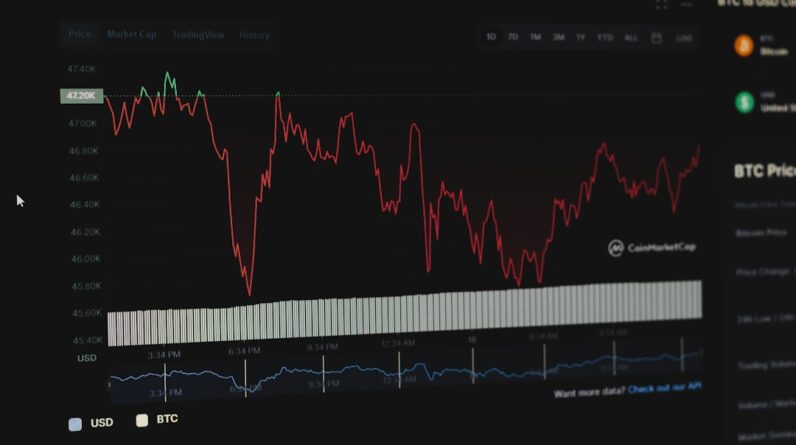
One of the most significant concerns about using cryptocurrency in the music industry is market volatility. Digital currencies can experience wild fluctuations, which means that an artist’s earnings could vary significantly over time. This unpredictability may not provide the stability needed for many musicians.
Adoption and Education
For cryptocurrency to make a meaningful impact in the realm of music royalties, there needs to be a broader understanding and acceptance of the technology. Education plays a critical role in ensuring artists feel comfortable navigating this new landscape.
Legal and Regulatory Challenges
The regulatory landscape for cryptocurrency is still evolving, and shifts in policy can impact the viability of using these digital currencies in the music industry. This uncertainty makes it crucial for artists and stakeholders to stay informed about potential legal ramifications.

The Future of Music Royalties
A Transformational Shift
The possibility of integrating cryptocurrency into music royalties could herald a transformative shift within the industry. If implemented effectively, it has the potential to empower artists, secure fair payments, and foster stronger connections between musicians and their fanbases.
Bridging the Gap
It can bridge the gap between traditional systems and future possibilities, promoting an environment where artists have greater control over their craft and the money generated from it.
Collaborative Development
As the music industry continues to evolve, collaboration among artists, technology developers, and industry leaders will be essential. Working together, they can create frameworks that leverage cryptocurrency while ensuring fairness and sustainability.
Conclusion
As we’ve examined, there’s promise in the concept of using cryptocurrency to make music royalties fairer. While challenges like market volatility and regulatory uncertainties exist, the potential benefits, such as immediate payments and higher transparency, are compelling.
You might find it exciting to think about the future of music and how technology could reshape the industry. Will blockchain technology become the new standard, ensuring that artists receive the compensation they deserve? Only time will tell, but it’s clear that digital currencies are here to stay, and their impact on music royalties could be monumental.
Whether you’re an artist, a fan, or someone intrigued by technological advancements, it’s an interesting time to be engaged with music. By supporting initiatives that promote independence and transparency, you play a part in advocating for a fairer system where creators are rightfully rewarded for their work.