
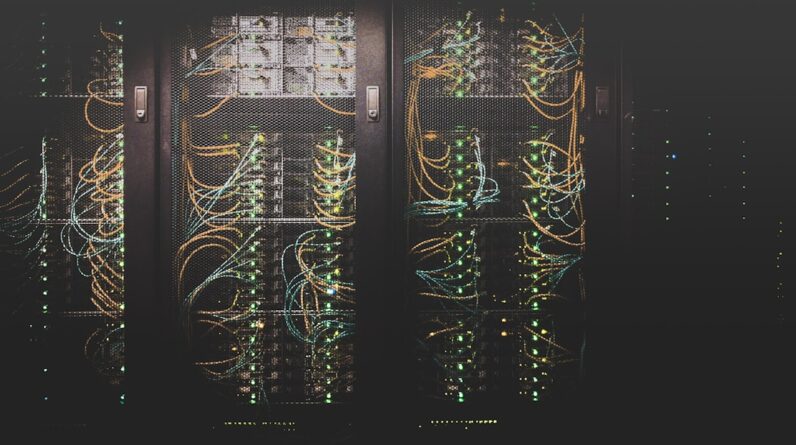
In recent years, the world of cryptocurrency has evolved dramatically, and one of the most significant developments has been the rise of cloud-based crypto miners. These services allow individuals and businesses to mine cryptocurrencies without the need for expensive hardware or extensive technical knowledge. Instead of investing in physical mining rigs, we can rent computing power from a cloud provider, which manages the hardware and software necessary for mining.
This model democratizes access to cryptocurrency mining, enabling a broader audience to participate in the digital currency ecosystem. Cloud-based crypto mining operates on a simple premise: we pay a service provider to use their mining equipment, which is typically housed in data centers with optimal conditions for mining operations. The provider handles everything from maintenance to electricity costs, allowing us to focus on the potential profits from our mining activities.
This approach not only reduces the barriers to entry for newcomers but also offers flexibility and scalability that traditional mining setups cannot match. As we delve deeper into this topic, we will explore the various advantages and disadvantages of cloud-based crypto miners, as well as how to choose the right service for our needs.
Key Takeaways
- Cloud-based crypto miners are virtual mining rigs that allow users to mine cryptocurrencies without the need for physical hardware.
- Advantages of cloud-based crypto miners include cost savings, scalability, and accessibility from anywhere with an internet connection.
- Disadvantages of cloud-based crypto miners include potential security risks, lack of control over hardware, and dependency on the service provider.
- When choosing the right cloud-based crypto miner, factors to consider include reputation of the provider, pricing structure, and available features.
- Security concerns with cloud-based crypto miners include the risk of hacking, data breaches, and potential loss of funds.
Advantages of Cloud-based Crypto Miners
One of the most compelling advantages of cloud-based crypto miners is the elimination of the need for significant upfront investment. Traditional mining requires purchasing expensive hardware, which can quickly become obsolete as technology advances. By opting for cloud mining, we can avoid these initial costs and instead pay a subscription or rental fee for the computing power we need.
This model allows us to allocate our resources more efficiently, focusing on potential returns rather than hardware depreciation. Additionally, cloud-based mining services often provide us with access to advanced technology and infrastructure that would be difficult or impossible to replicate on our own. These providers typically operate large-scale mining farms equipped with the latest hardware and optimized for maximum efficiency.
As a result, we can benefit from higher hash rates and better overall performance than we might achieve with a personal setup. Furthermore, many cloud mining services offer user-friendly interfaces and customer support, making it easier for us to navigate the complexities of cryptocurrency mining without needing extensive technical expertise.
Disadvantages of Cloud-based Crypto Miners
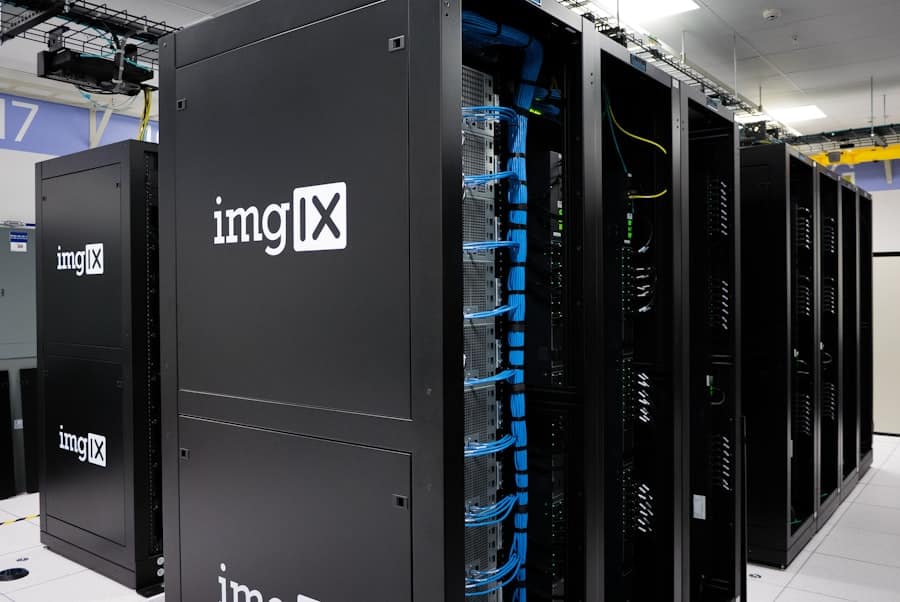
Despite the numerous advantages, cloud-based crypto miners are not without their drawbacks. One significant concern is the lack of control over the mining process. When we choose to rent computing power from a provider, we relinquish control over the hardware and software used in the mining operation.
This means that if the provider experiences downtime or technical issues, our mining activities may be adversely affected. Additionally, we may not have insight into how efficiently our rented resources are being utilized, which can lead to uncertainty regarding profitability. Another disadvantage is the potential for scams and unreliable providers in the cloud mining space.
The cryptocurrency industry has seen its fair share of fraudulent schemes, and cloud mining is no exception. Some providers may promise unrealistic returns or fail to deliver on their commitments altogether. As we consider cloud-based mining options, it is crucial to conduct thorough research and due diligence to ensure that we are partnering with reputable companies that have a track record of success.
How to Choose the Right Cloud-based Crypto Miner
Selecting the right cloud-based crypto miner requires careful consideration of several factors. First and foremost, we should evaluate the reputation and reliability of potential providers. Reading reviews, checking online forums, and seeking recommendations from experienced miners can help us identify trustworthy services.
We should also look for transparency in their operations, including clear information about fees, payout structures, and contract terms. Another critical aspect to consider is the range of cryptocurrencies supported by the cloud mining service. While some providers focus exclusively on popular coins like Bitcoin or Ethereum, others may offer a broader selection of altcoins.
Depending on our investment strategy and risk tolerance, we may want to choose a provider that aligns with our specific interests in the cryptocurrency market. Additionally, we should assess the scalability of the service; as our needs evolve, it’s essential that our chosen provider can accommodate growth without significant disruptions.
Security Concerns with Cloud-based Crypto Miners
Security is a paramount concern when it comes to cloud-based crypto miners. Since we are entrusting our investments and personal information to third-party providers, it is essential to ensure that they have robust security measures in place. This includes encryption protocols, secure data storage practices, and regular security audits to protect against potential breaches or hacks.
We should also inquire about their policies regarding data privacy and how they handle sensitive information. Moreover, we must remain vigilant about our own security practices when engaging with cloud mining services. Using strong passwords, enabling two-factor authentication, and being cautious about sharing personal information can help mitigate risks associated with online platforms.
As we navigate this landscape, it’s crucial to stay informed about potential threats and best practices for safeguarding our investments in cloud-based crypto mining.
Cost Considerations for Cloud-based Crypto Miners
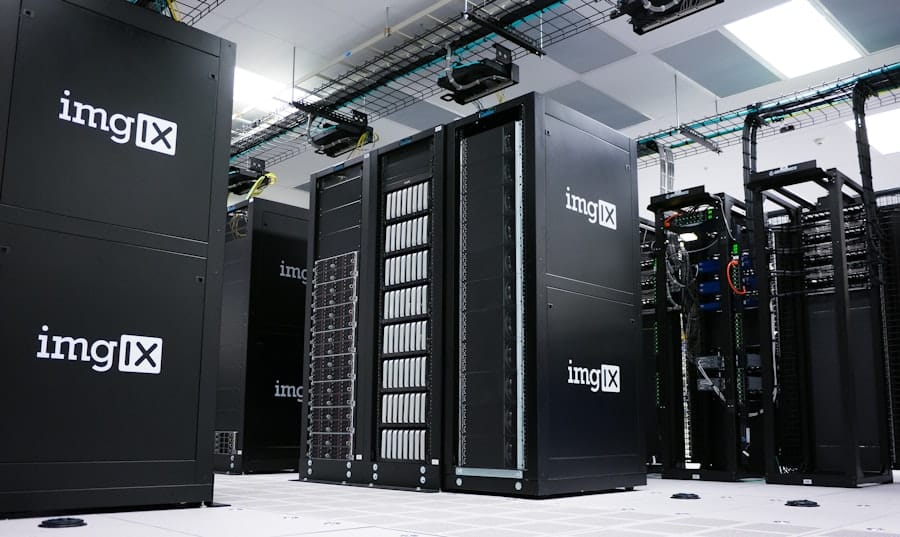
When evaluating cloud-based crypto miners, understanding the cost structure is vital for making informed decisions. Most providers operate on a subscription or pay-per-use model, which can vary significantly in terms of pricing and terms. We should carefully analyze these costs against potential returns to determine whether a particular service aligns with our financial goals.
Hidden fees can also be a concern; some providers may charge additional costs for maintenance or electricity that could eat into our profits. In addition to direct costs, we should consider the overall profitability of cloud mining compared to other investment options within the cryptocurrency space. While cloud mining can offer convenience and accessibility, it may not always yield higher returns than simply purchasing cryptocurrencies outright or engaging in other forms of trading.
By conducting thorough cost-benefit analyses and comparing different providers, we can make more informed choices that align with our investment strategies.
Impact of Cloud-based Crypto Miners on the Environment
The environmental impact of cryptocurrency mining has become an increasingly pressing issue as awareness grows about energy consumption and carbon footprints associated with traditional mining methods. Cloud-based crypto miners can potentially mitigate some of these concerns by utilizing more efficient technologies and renewable energy sources in their operations. Many reputable providers are now investing in sustainable practices to reduce their environmental impact while still delivering competitive mining services.
However, it is essential for us as consumers to consider these factors when choosing a cloud mining provider. We should seek out companies that prioritize sustainability and transparency regarding their energy sources and environmental policies. By supporting eco-friendly practices within the industry, we can contribute to a more sustainable future for cryptocurrency mining while still participating in this exciting digital economy.
Future Trends in Cloud-based Crypto Mining
As we look ahead, several trends are likely to shape the future of cloud-based crypto mining. One significant development is the increasing adoption of decentralized finance (DeFi) platforms and decentralized autonomous organizations (DAOs), which may influence how cloud mining services operate and interact with users. As these technologies evolve, we may see new models emerge that further democratize access to cryptocurrency mining while enhancing security and transparency.
Additionally, advancements in artificial intelligence (AI) and machine learning could play a role in optimizing mining operations within cloud services. By leveraging these technologies, providers may be able to improve efficiency, reduce costs, and enhance profitability for users like us. As the landscape continues to evolve, staying informed about emerging trends will be crucial for making strategic decisions in our cloud-based crypto mining endeavors.
In conclusion, cloud-based crypto miners present both opportunities and challenges for those looking to engage in cryptocurrency mining without the complexities of traditional setups. By understanding the advantages and disadvantages, carefully selecting providers based on reputation and cost considerations, addressing security concerns, and being mindful of environmental impacts, we can navigate this dynamic landscape effectively. As technology continues to advance and new trends emerge, remaining adaptable will be key to maximizing our success in this ever-evolving field.
FAQs
What are cloud-based crypto miners?
Cloud-based crypto miners are software programs that allow users to mine cryptocurrencies using the computing power of remote servers in the cloud. This eliminates the need for users to invest in expensive hardware and manage the mining process themselves.
How do cloud-based crypto miners work?
Cloud-based crypto miners work by leveraging the computational power of remote servers in the cloud to perform the complex calculations required for cryptocurrency mining. Users can rent this computing power and pay for it on a subscription or usage basis.
What are the benefits of using cloud-based crypto miners?
Some benefits of using cloud-based crypto miners include cost savings on hardware and electricity, scalability, and the ability to mine cryptocurrencies without the technical expertise or infrastructure required for traditional mining.
What are the risks of using cloud-based crypto miners?
Risks of using cloud-based crypto miners include potential security vulnerabilities, reliance on the uptime and performance of the cloud provider’s servers, and the possibility of fraudulent or untrustworthy mining services.
Are cloud-based crypto miners legal?
The legality of cloud-based crypto miners varies by jurisdiction and depends on factors such as the type of cryptocurrency being mined, the terms of service of the cloud provider, and any applicable regulations or laws related to cryptocurrency mining. It is important for users to research and understand the legal implications of using cloud-based crypto miners in their location.


