As you navigate through the complexities of modern finance, you may have encountered the term “cryptocurrency.” This digital form of currency has transcended its initial perception as a speculative investment, evolving into a viable option for everyday transactions. The rise of cryptocurrencies like Bitcoin, Ethereum, and countless altcoins has sparked a revolution in how you think about money, value, and the very nature of transactions. With the advent of blockchain technology, the foundation upon which cryptocurrencies are built, you are witnessing a shift that could redefine financial systems globally.
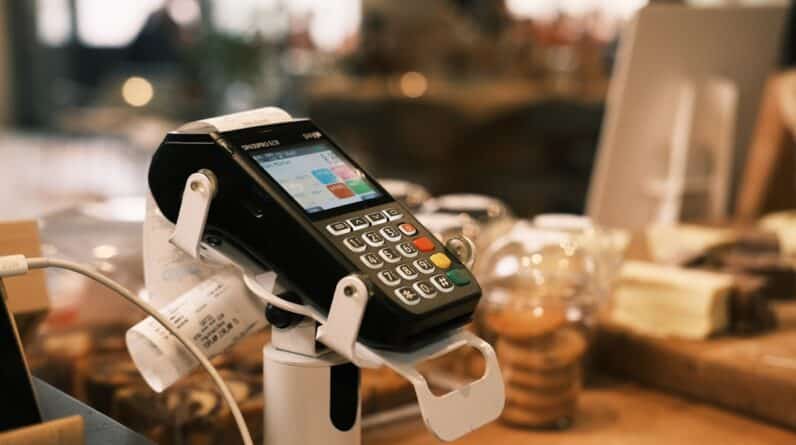
In recent years, cryptocurrencies have gained traction beyond the realm of tech enthusiasts and investors. You might find yourself wondering how these digital currencies can fit into your daily life. From purchasing coffee to paying for services, the integration of crypto into everyday transactions is becoming increasingly seamless.
As more businesses and platforms adopt cryptocurrency payments, you are presented with new opportunities to engage with this innovative financial landscape. Understanding how crypto operates in the real world is essential for anyone looking to stay ahead in an ever-evolving economic environment.
Key Takeaways
- Cryptocurrency is gaining traction in the real world as a viable form of payment and investment.
- Everyday purchases can now be made using cryptocurrency, offering convenience and security to consumers.
- The gig economy is embracing cryptocurrency as a means of payment for freelancers and independent contractors.
- Blockchain technology is revolutionizing supply chain management by providing transparency and traceability.
- Cryptocurrency is facilitating remittances and cross-border payments, offering a faster and cheaper alternative to traditional methods.
Cryptocurrency for Everyday Purchases
The Convenience of Cryptocurrency Payments
The convenience of using crypto for everyday purchases not only streamlines transactions but also offers an alternative to traditional banking systems. When you choose to pay with cryptocurrency, you often enjoy lower transaction fees compared to credit card payments. This can be particularly advantageous for small purchases where fees can eat into profits for both consumers and merchants.
Benefits of Cryptocurrency Over Traditional Payment Methods
Additionally, using crypto can provide a sense of privacy and security that traditional payment methods may lack. As you explore the world of cryptocurrency payments, you may discover various platforms and wallets that facilitate these transactions, making it easier than ever to incorporate crypto into your daily spending habits.
A New Era of Payment Methods
With the rise of cryptocurrency payments, it’s clear that the way we think about money is changing. As more businesses begin to accept crypto, it’s likely that we’ll see a shift towards a more digital and decentralized financial system.
Crypto in the Gig Economy

The gig economy has transformed the way you work and earn money, offering flexibility and independence like never before. As a freelancer or gig worker, you may find that accepting cryptocurrency as payment can enhance your financial options. Many platforms catering to gig workers are now integrating cryptocurrency payment systems, allowing you to receive your earnings in digital currency.
This not only broadens your payment options but also enables you to tap into a global market of clients who prefer using crypto. By accepting cryptocurrency, you can also mitigate some of the challenges associated with traditional payment methods. For instance, international clients may face high fees and long processing times when sending payments through conventional banking systems.
With crypto, transactions can be completed almost instantly and at a fraction of the cost. This efficiency can be particularly beneficial for you as a gig worker, allowing you to focus on your craft rather than worrying about payment delays or excessive fees.
Blockchain Technology in Supply Chain Management
As you delve deeper into the world of cryptocurrency, it’s essential to recognize the role of blockchain technology in various industries, particularly supply chain management. Blockchain’s decentralized and transparent nature allows for enhanced tracking and verification of goods as they move through the supply chain. This technology can provide you with greater confidence in the products you purchase, knowing that their origins and journey have been securely documented.
For businesses, implementing blockchain in supply chain management can lead to increased efficiency and reduced costs. By utilizing smart contracts—self-executing contracts with the terms directly written into code—companies can automate processes and minimize human error. As a consumer, this means that you may soon benefit from faster delivery times and improved product quality assurance.
The integration of blockchain technology into supply chains is not just a trend; it represents a fundamental shift in how goods are tracked and verified, ultimately enhancing your shopping experience.
Cryptocurrency for Remittances and Cross-Border Payments
If you’ve ever sent money across borders, you’re likely aware of the challenges associated with traditional remittance services. High fees, slow processing times, and complicated regulations can make sending money internationally a cumbersome task. However, cryptocurrency offers a solution that could revolutionize how you approach cross-border payments.
By utilizing digital currencies, you can bypass many of these obstacles, making it easier and more cost-effective to send money to family or friends abroad. When you use cryptocurrency for remittances, transactions can be completed within minutes rather than days. This speed is particularly crucial in emergencies when funds need to be transferred quickly.
Additionally, the lower fees associated with crypto transactions mean that more of your money reaches its intended recipient rather than being siphoned off by intermediaries. As cryptocurrencies continue to gain acceptance worldwide, you may find that sending money across borders becomes not only simpler but also more accessible than ever before.
Crypto in Real Estate Transactions

The real estate market is another area where cryptocurrency is making significant inroads. As you consider buying or selling property, you might be intrigued by the prospect of using digital currency for these transactions. Some real estate companies are now accepting cryptocurrencies as payment for properties, allowing buyers like you to leverage your digital assets in a tangible way.
This shift could streamline the buying process and open up new avenues for investment. Using cryptocurrency in real estate transactions can also enhance transparency and security. Blockchain technology allows for secure record-keeping and verification of ownership, reducing the risk of fraud or disputes over property titles.
For sellers, accepting crypto can attract a broader pool of potential buyers who are eager to invest their digital assets in real estate. As this trend continues to grow, you may find that the intersection of cryptocurrency and real estate offers exciting opportunities for both buyers and sellers alike.
Cryptocurrency for Charitable Donations
In an increasingly digital world, charitable giving is also evolving with the rise of cryptocurrency. If you’re passionate about supporting causes close to your heart, you might consider donating using cryptocurrencies like Bitcoin or Ethereum. Many nonprofit organizations are now accepting crypto donations, providing you with an innovative way to contribute while potentially benefiting from tax advantages associated with donating appreciated assets.
Donating through cryptocurrency can also enhance transparency in charitable giving. Blockchain technology allows donors like you to track how funds are allocated and used by organizations, ensuring that your contributions are making a meaningful impact. This level of accountability can foster trust between donors and nonprofits, encouraging more people to give generously.
As cryptocurrencies continue to gain acceptance in the charitable sector, you may find that supporting your favorite causes becomes easier and more rewarding than ever before.
The Future of Crypto in Everyday Life
As you look ahead to the future of cryptocurrency in everyday life, it’s clear that this digital currency is poised to become an integral part of our financial landscape. With increasing adoption by businesses and consumers alike, you may soon find yourself using crypto for a wide range of transactions—from shopping at local stores to paying for services online. The potential for innovation within this space is vast, with new applications and use cases emerging regularly.
Moreover, as regulatory frameworks evolve and become more defined, you can expect greater stability and security within the cryptocurrency market. This will likely encourage even more individuals and businesses to embrace digital currencies as part of their financial strategies. As technology continues to advance and public awareness grows, the integration of cryptocurrency into everyday life will likely become not just a possibility but a reality that shapes how we interact with money in profound ways.
In conclusion, as you explore the multifaceted world of cryptocurrency, it’s essential to recognize its potential impact on various aspects of daily life—from everyday purchases to charitable donations and beyond. The future holds exciting possibilities as cryptocurrencies continue to gain traction across industries, offering new opportunities for individuals like you to engage with this transformative financial landscape. Embracing these changes could lead to a more efficient, transparent, and inclusive economic environment for all.
FAQs
What are some everyday use cases for crypto in the real world?
Some everyday use cases for crypto in the real world include online shopping, remittances, peer-to-peer payments, and investment opportunities.
How is crypto used in online shopping?
Crypto can be used in online shopping as a form of payment. Many online retailers and e-commerce platforms accept various cryptocurrencies as a payment method for goods and services.
What are remittances and how is crypto used for them?
Remittances are the transfer of money from one person to another, typically from a foreign worker to their home country. Crypto can be used for remittances as a faster and more cost-effective alternative to traditional money transfer services.
How is crypto used for peer-to-peer payments?
Crypto can be used for peer-to-peer payments by allowing individuals to send and receive funds directly to and from each other without the need for a third-party intermediary, such as a bank.
What investment opportunities are available with crypto?
Crypto offers various investment opportunities, including trading on cryptocurrency exchanges, participating in initial coin offerings (ICOs), and investing in crypto-related stocks and funds.