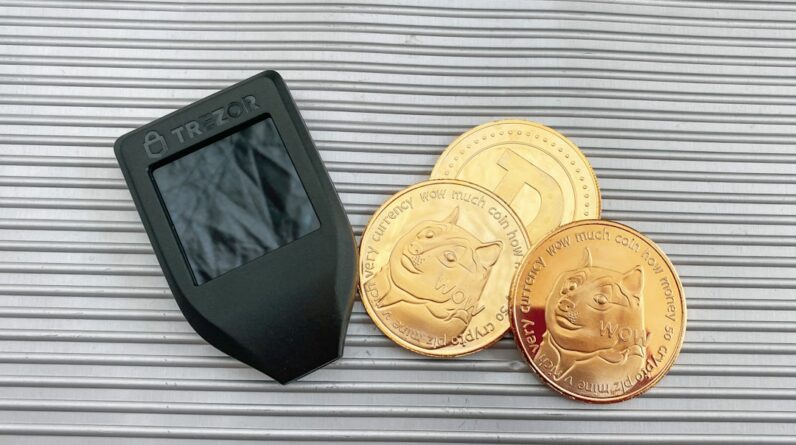
In the ever-evolving landscape of finance, two distinct forms of currency have emerged as pivotal players: cryptocurrency and fiat currency. As you navigate through the complexities of modern economics, understanding these two types of currency becomes essential. Cryptocurrency, a digital or virtual form of money, operates on blockchain technology, while fiat currency refers to government-issued money that is not backed by a physical commodity.
Both forms of currency serve as mediums of exchange, but they differ significantly in their characteristics, value determination, and regulatory frameworks. As you delve deeper into the world of finance, you will find that the rise of cryptocurrency has sparked a revolution in how people perceive and use money. With its decentralized nature and potential for anonymity, cryptocurrency has attracted a diverse range of users, from tech enthusiasts to investors seeking alternative assets.
On the other hand, fiat currency remains the backbone of traditional economies, providing stability and trust through government backing. Understanding the nuances between these two forms of currency will equip you with the knowledge to make informed financial decisions in an increasingly digital world.
Key Takeaways
- Cryptocurrency is a digital or virtual form of currency that uses cryptography for security and operates independently of a central bank.
- Fiat currency is government-issued currency that is not backed by a physical commodity, such as gold or silver, and is used as a medium of exchange.
- Cryptocurrency is decentralized, secure, and offers anonymity, while fiat currency is centralized, regulated, and widely accepted for transactions.
- The key differences between cryptocurrency and fiat currency include their backing, control, and security features.
- Factors affecting the value of cryptocurrency and fiat currency include supply and demand, market sentiment, government regulations, and technological advancements.
Definition and Characteristics of Cryptocurrency
Decentralization and Autonomy
One of the key features of cryptocurrency is its decentralization, which means it is not controlled by any central authority, making it immune to government interference or manipulation. This aspect attracts users who value privacy and autonomy in their financial dealings.
Limited Supply and Scarcity
Another defining characteristic of cryptocurrency is its limited supply. Most cryptocurrencies, such as Bitcoin, have a capped maximum number of coins that can ever be mined or created. This scarcity can drive demand and influence value, setting cryptocurrencies apart from traditional currencies that can be printed at will by governments.
Faster and Cheaper Transactions
Transactions made with cryptocurrencies are typically faster and cheaper than those involving fiat currencies, especially for international transfers. As you consider these attributes, it becomes clear that cryptocurrency represents a significant shift in how value is stored and exchanged in the digital age.
Definition and Characteristics of Fiat Currency

Fiat currency is defined as money that has been issued by a government and is not backed by a physical commodity like gold or silver. Instead, its value is derived from the trust and confidence that individuals and businesses have in the issuing government. As you examine the characteristics of fiat currency, you will find that it is widely accepted for transactions within its respective economy and is often used as a standard measure of value.
This acceptance is bolstered by legal tender laws that require individuals to accept fiat currency for debts and obligations. One notable feature of fiat currency is its ability to be easily manipulated by central banks through monetary policy. Governments can adjust interest rates, control money supply, and implement quantitative easing measures to influence economic conditions.
This flexibility allows for greater control over inflation and economic stability but can also lead to issues such as hyperinflation if mismanaged. As you reflect on these characteristics, it becomes evident that while fiat currency offers stability and widespread acceptance, it is also subject to the whims of political and economic forces.
Key Differences Between Cryptocurrency and Fiat Currency
When comparing cryptocurrency and fiat currency, several key differences emerge that highlight their unique attributes. One of the most significant distinctions lies in their underlying technology. Cryptocurrency operates on decentralized blockchain networks, which provide transparency and security through cryptographic techniques.
In contrast, fiat currency relies on centralized banking systems and government regulations to maintain its value and facilitate transactions. This fundamental difference shapes how each type of currency functions within the economy. Another critical difference is the way value is determined for each currency type.
The value of cryptocurrencies is often driven by market demand, speculation, and investor sentiment, leading to high volatility in prices. You may notice that cryptocurrencies can experience dramatic price swings within short periods, making them both an attractive investment opportunity and a risky asset. On the other hand, fiat currencies tend to have more stable values due to their backing by governments and central banks, which actively manage their economies to maintain stability.
Understanding these differences can help you navigate the complexities of investing or transacting in either form of currency.
Factors Affecting the Value of Cryptocurrency and Fiat Currency
The value of both cryptocurrency and fiat currency is influenced by a variety of factors, though they operate under different mechanisms. For cryptocurrencies, market sentiment plays a crucial role in determining value. Factors such as technological advancements, regulatory news, and macroeconomic trends can lead to rapid price fluctuations.
As you engage with the cryptocurrency market, you may find that social media trends or endorsements from influential figures can significantly impact prices overnight. In contrast, the value of fiat currency is primarily influenced by economic indicators such as inflation rates, interest rates, and overall economic performance. Central banks play a vital role in managing these factors through monetary policy decisions.
For instance, if a central bank raises interest rates to combat inflation, it may strengthen the value of its currency against others. Additionally, geopolitical events can also affect fiat currencies; political instability or trade disputes can lead to fluctuations in exchange rates. By understanding these factors, you can better assess the risks and opportunities associated with both cryptocurrency and fiat currency investments.
Regulation and Control of Cryptocurrency and Fiat Currency

Regulation is another area where cryptocurrency and fiat currency diverge significantly. Fiat currencies are heavily regulated by governments and central banks, which establish rules governing their issuance, circulation, and exchange. These regulations are designed to protect consumers, prevent fraud, and maintain economic stability.
As you consider the implications of regulation on fiat currency, it becomes clear that this oversight provides a level of security for users but can also lead to bureaucratic hurdles. Conversely, cryptocurrencies operate in a relatively unregulated environment, although this landscape is rapidly changing as governments around the world begin to implement regulations for digital assets. The decentralized nature of cryptocurrencies poses challenges for regulators who seek to impose traditional financial rules on this new form of money.
As you explore this evolving regulatory landscape, you may find that some countries embrace cryptocurrencies while others impose strict bans or limitations. This disparity can create opportunities for innovation but also introduces risks for investors who must navigate varying legal frameworks.
Advantages and Disadvantages of Cryptocurrency and Fiat Currency
Both cryptocurrency and fiat currency come with their own set of advantages and disadvantages that you should consider when evaluating your financial options. One significant advantage of cryptocurrency is its potential for high returns on investment due to its volatility and growth potential. Additionally, cryptocurrencies offer greater privacy compared to traditional banking systems; transactions can be conducted anonymously without revealing personal information.
The decentralized nature also means that users are not subject to government control or inflationary pressures associated with fiat currencies. However, cryptocurrencies also come with notable disadvantages. The high volatility that can lead to substantial gains can just as easily result in significant losses.
Furthermore, the lack of regulation means that users may be more vulnerable to fraud or hacking incidents. As you weigh these factors, it’s essential to consider your risk tolerance and investment goals when deciding whether to engage with cryptocurrencies. On the other hand, fiat currency offers stability and widespread acceptance as a medium of exchange.
Its backing by governments provides a sense of security for users who rely on it for everyday transactions. However, fiat currencies are not without their drawbacks; they are subject to inflationary pressures and can lose value over time due to poor economic management or political instability. Understanding these advantages and disadvantages will empower you to make informed choices about how best to manage your finances in an increasingly complex world.
The Future of Cryptocurrency and Fiat Currency
As you look toward the future of both cryptocurrency and fiat currency, it’s clear that both will continue to coexist but may evolve in different directions. The rise of digital currencies has prompted central banks around the world to explore Central Bank Digital Currencies (CBDCs), which aim to combine the benefits of digital currencies with the stability of traditional fiat money. This development could reshape how you interact with money in your daily life while providing governments with greater control over monetary policy.
At the same time, cryptocurrencies are likely to continue gaining traction among investors seeking alternative assets or those looking for more efficient ways to conduct transactions globally. As technology advances and regulatory frameworks become clearer, you may find that cryptocurrencies become more integrated into mainstream financial systems. This integration could lead to increased adoption among businesses and consumers alike.
In conclusion, understanding the distinctions between cryptocurrency and fiat currency is crucial as you navigate your financial journey in an increasingly digital world. Each form of currency has its unique characteristics, advantages, and challenges that will shape their roles in future economies. By staying informed about these developments, you can make strategic decisions that align with your financial goals while adapting to the changing landscape of money.
FAQs
What is a cryptocurrency?
A cryptocurrency is a digital or virtual currency that uses cryptography for security and operates independently of a central bank. It is decentralized and typically operates on a technology called blockchain.
What is a fiat currency?
Fiat currency is a government-issued currency that is not backed by a physical commodity, such as gold or silver. It is the most common form of currency used around the world and is regulated by a central authority, such as a central bank or government.
What are the key differences between cryptocurrency and fiat currency?
The key differences between cryptocurrency and fiat currency include their backing, regulation, and technology. Cryptocurrencies are decentralized and operate on blockchain technology, while fiat currencies are centralized and regulated by governments or central banks.
How are cryptocurrencies and fiat currencies used?
Cryptocurrencies can be used for online transactions, investments, and as a store of value. Fiat currencies are used for everyday transactions, such as buying goods and services, paying taxes, and settling debts.
What are some examples of cryptocurrencies and fiat currencies?
Examples of cryptocurrencies include Bitcoin, Ethereum, and Ripple. Examples of fiat currencies include the US dollar, Euro, and Japanese yen.
Are cryptocurrencies and fiat currencies interchangeable?
Cryptocurrencies and fiat currencies are not interchangeable, as they operate on different systems and have different levels of regulation and backing. However, some platforms and services allow for the exchange of cryptocurrencies for fiat currencies.