In recent years, you may have noticed a significant surge in the popularity of cryptocurrency trading. This phenomenon has transformed the financial landscape, attracting both seasoned investors and newcomers eager to explore the world of digital assets. The allure of cryptocurrencies lies not only in their potential for high returns but also in the innovative technology that underpins them.
As you delve into this realm, you will find that the rise of cryptocurrency trading is a reflection of broader societal shifts towards digitalization and decentralization. The advent of Bitcoin in 2009 marked the beginning of this revolution, but it was only the tip of the iceberg. As you explore various cryptocurrencies, you will discover thousands of alternatives, each with unique features and use cases.
The rapid growth of Initial Coin Offerings (ICOs) and the emergence of altcoins have further fueled interest in trading these digital assets. You might find yourself drawn to the excitement of trading on various platforms, where volatility can lead to substantial gains—or losses. This dynamic environment has created a vibrant community of traders who share insights, strategies, and experiences, making cryptocurrency trading not just a financial endeavor but also a social one.
Key Takeaways
- Cryptocurrency trading has seen a significant rise in popularity, with more individuals and institutions participating in the market.
- Blockchain technology has had a profound impact on digital asset trading, providing transparency, security, and efficiency to the process.
- Decentralized exchanges are expected to play a crucial role in the future of digital asset trading, offering greater security and control to users.
- Security is of utmost importance in digital asset trading systems, as the risk of hacking and theft is a constant concern in the industry.
- The integration of traditional financial markets with cryptocurrency trading is becoming more prevalent, blurring the lines between traditional and digital assets.
The Impact of Blockchain Technology on Digital Asset Trading
As you navigate the world of cryptocurrency trading, it is essential to understand the role of blockchain technology in shaping this landscape. At its core, blockchain is a decentralized ledger that records transactions across multiple computers, ensuring transparency and security. This innovative technology has revolutionized how you perceive ownership and value in the digital realm.
By eliminating intermediaries, blockchain allows for peer-to-peer transactions, which can significantly reduce costs and increase efficiency. You may find that the impact of blockchain extends beyond mere transactions; it has also paved the way for smart contracts and decentralized applications (dApps). These advancements enable automated processes that can execute trades based on predefined conditions, enhancing your trading experience.
As you engage with various platforms, you will likely appreciate how blockchain technology fosters trust among participants, as every transaction is verifiable and immutable. This newfound transparency can empower you as a trader, providing you with greater confidence in your decisions.
The Role of Decentralized Exchanges in the Future of Digital Asset Trading

As you explore the future of digital asset trading, decentralized exchanges (DEXs) are likely to play a pivotal role. Unlike traditional exchanges that operate on a centralized model, DEXs allow users to trade directly with one another without the need for intermediaries. This shift towards decentralization aligns with the core principles of cryptocurrencies and offers several advantages that you may find appealing.
One significant benefit of DEXs is enhanced security. By eliminating a central point of failure, you reduce the risk of hacks and thefts that have plagued centralized exchanges in the past. Additionally, DEXs often provide users with greater control over their funds, as you retain ownership of your private keys throughout the trading process.
This empowerment can lead to a more satisfying trading experience, as you are less reliant on third parties. As you consider your options for trading digital assets, DEXs may emerge as a compelling alternative that aligns with your values of autonomy and security.
The Importance of Security in Digital Asset Trading Systems
In your journey through cryptocurrency trading, security should be at the forefront of your considerations. The digital nature of cryptocurrencies makes them susceptible to various threats, including hacking, phishing attacks, and scams. As you engage with different platforms and wallets, it is crucial to prioritize security measures to protect your investments.
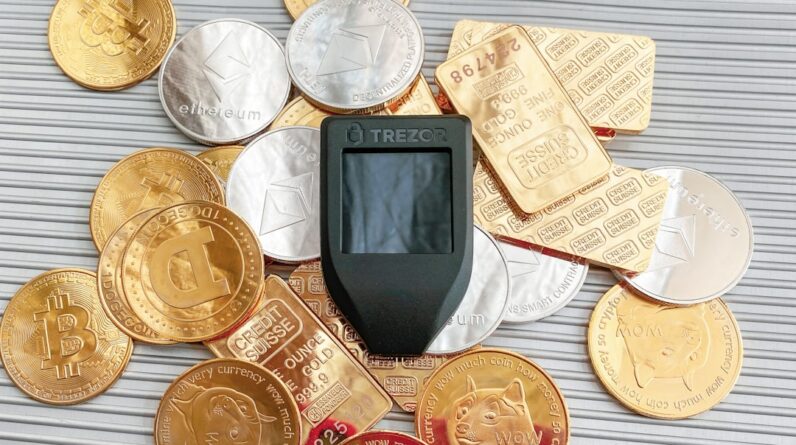
You may want to familiarize yourself with best practices such as enabling two-factor authentication (2FA), using hardware wallets for long-term storage, and being cautious about sharing personal information. Moreover, understanding the security protocols employed by trading platforms can help you make informed decisions. You might find it beneficial to research how exchanges safeguard user funds and what measures they have in place to respond to potential breaches.
As you become more knowledgeable about security in digital asset trading systems, you will be better equipped to navigate this complex landscape while minimizing risks.
The Integration of Traditional Financial Markets with Cryptocurrency Trading
As cryptocurrency trading continues to gain traction, you may observe an increasing integration between traditional financial markets and digital assets. This convergence presents exciting opportunities for investors like yourself who are looking to diversify their portfolios. Major financial institutions are beginning to recognize the potential of cryptocurrencies and are exploring ways to incorporate them into their offerings.
You might find it intriguing that some banks now provide custodial services for digital assets or even facilitate cryptocurrency trading for their clients. This integration can also lead to greater legitimacy for cryptocurrencies in the eyes of mainstream investors. As traditional financial markets embrace digital assets, you may feel more confident participating in this evolving landscape.
The introduction of cryptocurrency exchange-traded funds (ETFs) is another example of how traditional finance is adapting to accommodate digital assets. These developments could pave the way for increased institutional investment in cryptocurrencies, further solidifying their place in the global financial ecosystem.
The Role of Regulation in Shaping the Future of Digital Asset Trading

Understanding Regulations for Compliance and Protection
It is essential to understand these regulations to ensure compliance and protect your investments. Regulations can have a significant impact on your trading activities, and staying informed can help you adapt your strategies to comply with the rules.
The Impact of Regulations on Innovation and Growth
While some regulations aim to promote innovation and protect consumers, others may impose restrictions that could stifle growth in the industry. As a trader, it is vital to stay informed about regulatory developments and their potential impact on your investments.
Advocating for a Balanced Approach
You can play a role in shaping the regulatory landscape by engaging with advocacy groups or participating in discussions about regulatory frameworks. By promoting a balanced approach to cryptocurrency trading, you can help create an environment that encourages innovation while safeguarding investors like yourself.
The Potential for Decentralized Finance (DeFi) in Digital Asset Trading Systems
Decentralized Finance (DeFi) has emerged as a groundbreaking movement within the cryptocurrency space, offering new possibilities for digital asset trading systems. As you explore DeFi platforms, you’ll discover a range of financial services that operate without traditional intermediaries, allowing for greater accessibility and inclusivity. This shift could empower you as a trader by providing access to innovative tools such as lending, borrowing, and yield farming—all facilitated through smart contracts on blockchain networks.
The potential for DeFi extends beyond mere trading; it represents a fundamental rethinking of how financial systems can operate. You may find it exciting that DeFi platforms often prioritize transparency and user control, aligning with the core values of cryptocurrencies themselves. As you engage with these platforms, you’ll likely appreciate the ability to participate in governance decisions or earn rewards for providing liquidity—further enhancing your involvement in this rapidly evolving ecosystem.
The Evolution of Cryptocurrency Trading Platforms and User Experience
As you reflect on your experiences with cryptocurrency trading platforms, it’s clear that user experience has evolved significantly over time. Early platforms were often clunky and difficult to navigate, but advancements in technology have led to more intuitive interfaces that cater to both novice and experienced traders alike. You may have noticed how modern platforms prioritize user-friendly designs, making it easier for you to execute trades quickly and efficiently.
Moreover, many platforms now offer educational resources and tools to help you enhance your trading skills. From tutorials on technical analysis to real-time market data and charting tools, these resources can empower you to make informed decisions as you navigate the complexities of cryptocurrency trading. As you continue your journey in this space, you’ll likely appreciate how these advancements contribute to a more enjoyable and rewarding trading experience—one that encourages exploration and growth within the dynamic world of digital assets.
FAQs
What is cryptocurrency?
Cryptocurrency is a digital or virtual form of currency that uses cryptography for security and operates independently of a central bank. It is decentralized and typically uses a technology called blockchain to achieve transparency and immutability.
What is a digital asset trading system?
A digital asset trading system is a platform that allows users to buy, sell, and trade digital assets such as cryptocurrencies. These systems can be centralized or decentralized and provide a marketplace for users to exchange digital assets.
How does cryptocurrency trading work?
Cryptocurrency trading involves buying and selling digital assets on a trading platform. Traders can use fiat currency or other cryptocurrencies to purchase digital assets and can also engage in speculative trading to profit from price movements.
What is the future of digital asset trading systems?
The future of digital asset trading systems is likely to involve increased regulation, improved security measures, and the integration of advanced technologies such as artificial intelligence and machine learning. Additionally, the development of decentralized finance (DeFi) and non-fungible tokens (NFTs) may also impact the future of digital asset trading systems.
What are the benefits of using cryptocurrency for trading?
Some benefits of using cryptocurrency for trading include lower transaction fees, faster settlement times, increased privacy and security, and access to a global marketplace. Additionally, cryptocurrency trading can provide opportunities for diversification and investment in emerging technologies.