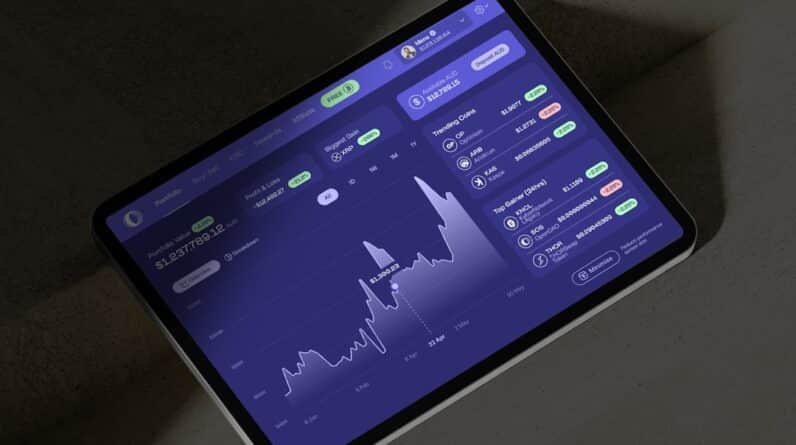
To truly grasp the concept of cryptocurrency, you must first recognize it as a digital or virtual form of currency that employs cryptography for security. Unlike traditional currencies issued by governments, cryptocurrencies operate on decentralized networks based on blockchain technology. This means that transactions are recorded on a public ledger, ensuring transparency and security without the need for a central authority.
As you delve deeper into this realm, you will discover that cryptocurrencies can be used for various purposes, from online purchases to investment opportunities. The most well-known cryptocurrency is Bitcoin, which was created in 2009 by an anonymous entity known as Satoshi Nakamoto. Since then, thousands of alternative cryptocurrencies, often referred to as altcoins, have emerged, each with unique features and use cases.
As you explore this digital landscape, you will encounter terms like mining, wallets, and exchanges, all of which play crucial roles in the functioning of cryptocurrencies. Understanding these foundational elements will empower you to navigate the world of crypto with confidence.
Key Takeaways
- Cryptocurrency is a digital or virtual form of currency that uses cryptography for security and operates independently of a central bank.
- To invest in cryptocurrency, one can buy and hold, trade on exchanges, or participate in initial coin offerings (ICOs).
- The risks of crypto investing include volatility, security threats, and regulatory uncertainty, while the rewards include potential high returns and diversification opportunities.
- When choosing the right cryptocurrency to invest in, factors to consider include the technology behind it, the team and community supporting it, and its potential for real-world use.
- Strategies for successful crypto investing include conducting thorough research, diversifying investments, and staying updated on market trends and news.
- Managing and securing crypto investments involves using secure wallets, implementing strong security measures, and being cautious of phishing scams and fraudulent schemes.
- The future of crypto investing is promising, with potential for mainstream adoption, improved regulations, and innovative developments in blockchain technology.
- Resources for further learning about cryptocurrency investing include online courses, books, forums, and reputable news sources in the crypto space.
How to Invest in Cryptocurrency
Investing in cryptocurrency may seem daunting at first, but with the right approach, you can make informed decisions that align with your financial goals. The first step is to choose a reliable cryptocurrency exchange where you can buy and sell digital assets. Popular platforms like Coinbase, Binance, and Kraken offer user-friendly interfaces that cater to both beginners and experienced traders.
Once you’ve selected an exchange, you’ll need to create an account and complete the necessary verification processes to start trading. After setting up your account, it’s essential to fund it with fiat currency or other cryptocurrencies. You can typically do this through bank transfers or credit card payments.
Once your account is funded, you can begin purchasing cryptocurrencies. It’s advisable to start small and gradually increase your investment as you become more comfortable with the market dynamics. Keep in mind that the crypto market is highly volatile; prices can fluctuate dramatically within short periods.
Therefore, staying informed about market trends and news will help you make better investment decisions.
Risks and Rewards of Crypto Investing

As with any investment, there are inherent risks and rewards associated with cryptocurrency investing. On one hand, the potential for high returns is a significant draw for many investors. Cryptocurrencies have experienced exponential growth over the past decade, with some early adopters reaping substantial profits.
For instance, those who invested in Bitcoin during its early days have seen their investments multiply many times over. This potential for rapid wealth accumulation is enticing and often leads individuals to explore the crypto market. However, it’s crucial to acknowledge the risks involved as well.
The cryptocurrency market is notoriously volatile, with prices subject to sudden and dramatic changes. Factors such as regulatory news, technological advancements, and market sentiment can all influence price movements. Additionally, the lack of regulation in the crypto space means that scams and fraudulent schemes are prevalent.
As an investor, you must be prepared for the possibility of losing your entire investment and approach crypto investing with caution and due diligence.
Choosing the Right Cryptocurrency to Invest In
With thousands of cryptocurrencies available in the market, selecting the right one to invest in can be overwhelming. To make informed choices, start by researching the fundamentals of various cryptocurrencies. Look into their use cases, technology, and the teams behind them.
For instance, Bitcoin is primarily viewed as a store of value, while Ethereum offers a platform for decentralized applications through smart contracts. Understanding these distinctions will help you align your investments with your interests and risk tolerance. Another critical factor to consider is market capitalization, which reflects the total value of a cryptocurrency in circulation.
Generally, larger market cap coins like Bitcoin and Ethereum tend to be more stable than smaller altcoins. However, smaller coins may offer higher growth potential if they gain traction in the market. Diversifying your portfolio by investing in a mix of established coins and promising newcomers can help mitigate risks while maximizing potential rewards.
Strategies for Successful Crypto Investing
Developing a solid investment strategy is essential for navigating the unpredictable world of cryptocurrency. One popular approach is dollar-cost averaging (DCA), where you invest a fixed amount of money at regular intervals regardless of market conditions. This strategy helps reduce the impact of volatility on your overall investment and allows you to accumulate assets over time without trying to time the market.
Another effective strategy is conducting thorough research before making any investment decisions. Stay updated on industry news, technological advancements, and regulatory changes that could impact the market. Joining online communities or forums dedicated to cryptocurrency can also provide valuable insights from experienced investors.
By surrounding yourself with knowledgeable individuals and continuously educating yourself about the market, you can enhance your decision-making process and increase your chances of success.
Managing and Securing Your Crypto Investments

Once you’ve made your investments in cryptocurrency, managing and securing them becomes paramount. One of the first steps you should take is to choose a secure wallet for storing your digital assets. There are various types of wallets available, including hardware wallets, software wallets, and paper wallets.
Hardware wallets are considered one of the safest options as they store your private keys offline, making them less susceptible to hacking attempts. In addition to choosing a secure wallet, implementing best practices for security is crucial. Always enable two-factor authentication (2FA) on your exchange accounts and wallets to add an extra layer of protection.
Be cautious about sharing personal information online and avoid clicking on suspicious links or downloading unverified software. Regularly monitoring your investments and keeping track of market trends will also help you make timely decisions regarding buying or selling your assets.
The Future of Crypto Investing
The future of cryptocurrency investing holds immense potential as more individuals and institutions recognize its value. As technology continues to evolve, we can expect increased adoption of cryptocurrencies across various sectors, including finance, healthcare, and supply chain management. Central banks are also exploring the concept of central bank digital currencies (CBDCs), which could further legitimize digital currencies in mainstream finance.
Moreover, regulatory frameworks are gradually being established worldwide to provide clarity and security for investors. While this may introduce some challenges for certain cryptocurrencies, it will ultimately foster a more stable environment for long-term growth. As an investor, staying informed about these developments will be crucial in positioning yourself for success in this rapidly changing landscape.
Resources for Further Learning
To deepen your understanding of cryptocurrency investing, numerous resources are available at your fingertips. Online courses offered by platforms like Coursera or Udemy can provide structured learning experiences tailored to different skill levels. Additionally, following reputable news outlets such as CoinDesk or CoinTelegraph will keep you updated on industry trends and developments.
Books written by experts in the field can also offer valuable insights into the intricacies of cryptocurrency investing. Titles like “The Bitcoin Standard” by Saifedean Ammous or “Mastering Bitcoin” by Andreas M. Antonopoulos are excellent starting points for anyone looking to expand their knowledge base.
Engaging with online communities through forums like Reddit or Discord can also facilitate discussions with fellow investors and provide real-time insights into market sentiment. By leveraging these resources and continuously educating yourself about cryptocurrency investing, you will be better equipped to navigate this exciting yet complex landscape with confidence and foresight.