To grasp the concept of cryptocurrencies, you must first understand their foundational principles. At their core, cryptocurrencies are digital or virtual currencies that utilize cryptography for security. This technology ensures that transactions are secure and that the creation of new units is regulated.
Unlike traditional currencies issued by governments, cryptocurrencies operate on decentralized networks based on blockchain technology. This means that no single entity, such as a bank or government, has control over the currency, which can lead to increased transparency and reduced risk of fraud. As you delve deeper into the world of cryptocurrencies, you’ll discover that they come in various forms, each with unique features and purposes.
Bitcoin, the first and most well-known cryptocurrency, was created in 2009 as a response to the financial crisis, aiming to provide an alternative to traditional banking systems. Since then, thousands of other cryptocurrencies have emerged, each with its own set of functionalities. Some are designed for specific applications, such as Ethereum, which allows developers to create decentralized applications (dApps) on its platform.
Understanding these nuances will help you navigate the complex landscape of digital currencies.
Key Takeaways
- Cryptocurrencies are digital or virtual currencies that use cryptography for security and operate independently of a central bank.
- Cryptocurrency adoption in everyday transactions is increasing, with more businesses and individuals accepting and using digital currencies for purchases.
- Using cryptocurrencies for everyday purchases offers benefits such as lower transaction fees, faster transactions, and increased security and privacy.
- Challenges of using cryptocurrencies for everyday purchases include price volatility, limited acceptance, and potential for fraud and hacking.
- Popular cryptocurrencies for everyday transactions include Bitcoin, Ethereum, Litecoin, and Ripple, among others.
Cryptocurrency Adoption in Everyday Transactions
The adoption of cryptocurrencies in everyday transactions is steadily gaining momentum. As more businesses recognize the potential benefits of accepting digital currencies, you may find that your options for using cryptocurrencies are expanding. From online retailers to brick-and-mortar stores, many establishments are beginning to embrace this innovative payment method.
This shift is not just a trend; it reflects a growing acceptance of digital currencies as a legitimate form of payment. You might be surprised to learn that some major companies have already integrated cryptocurrency payments into their systems. For instance, tech giants like Microsoft and Tesla have begun accepting Bitcoin for certain transactions.
Additionally, payment processors such as PayPal and Square have made it easier for consumers to buy, sell, and use cryptocurrencies in their daily lives. As more businesses adopt this technology, you may find it increasingly convenient to use cryptocurrencies for everyday purchases, from groceries to online subscriptions.
Benefits of Using Cryptocurrencies for Everyday Purchases

One of the most significant advantages of using cryptocurrencies for everyday purchases is the potential for lower transaction fees. Traditional payment methods often involve intermediaries, such as banks or credit card companies, which can charge hefty fees for processing transactions. In contrast, cryptocurrency transactions typically have lower fees due to their decentralized nature.
This can be particularly beneficial for small businesses and consumers alike, as it allows for more cost-effective transactions. Another compelling benefit is the speed of cryptocurrency transactions. When you make a purchase using traditional banking methods, it can take several days for the transaction to clear, especially if it involves international transfers.
However, cryptocurrency transactions can be completed in a matter of minutes or even seconds, regardless of geographical boundaries. This immediacy can enhance your shopping experience and provide greater flexibility when making purchases.
Challenges of Using Cryptocurrencies for Everyday Purchases
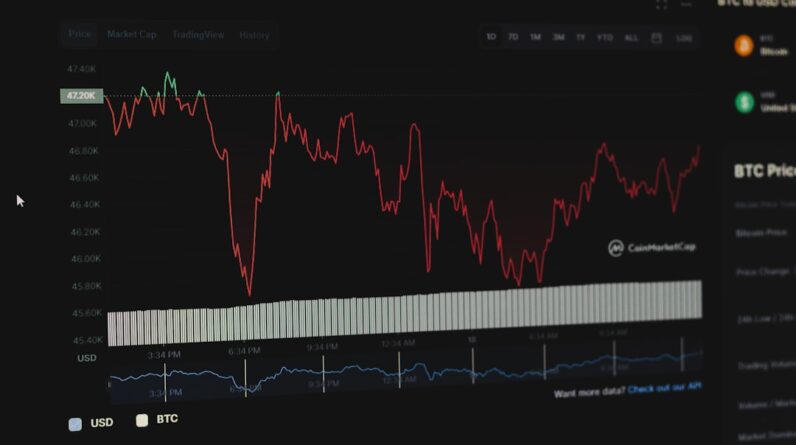
Despite the numerous benefits associated with using cryptocurrencies, there are also challenges that you should be aware of. One significant hurdle is the volatility of cryptocurrency prices. The value of digital currencies can fluctuate dramatically within short periods, which can create uncertainty when making purchases.
For instance, if you buy a product today using Bitcoin and its value drops significantly by the time you receive it, you may feel as though you overpaid. This volatility can deter some consumers from fully embracing cryptocurrencies for everyday transactions. Additionally, the lack of widespread acceptance remains a challenge.
While more businesses are beginning to accept cryptocurrencies, many still do not offer this option. This limited acceptance can make it difficult for you to use digital currencies for everyday purchases. Furthermore, some merchants may not have the necessary infrastructure in place to process cryptocurrency payments efficiently, leading to potential delays or complications during transactions.
Popular Cryptocurrencies for Everyday Transactions
As you explore the world of cryptocurrencies for everyday transactions, you’ll encounter several popular options that stand out due to their usability and acceptance. Bitcoin remains the most recognized and widely accepted cryptocurrency, making it a go-to choice for many consumers. Its established reputation and extensive network make it a reliable option for various transactions.
However, Bitcoin is not the only player in the game. Ethereum has gained traction as a versatile platform that supports smart contracts and decentralized applications. This functionality allows you to engage in more complex transactions beyond simple purchases.
Additionally, stablecoins like Tether (USDT) and USD Coin (USDC) have emerged as alternatives designed to maintain a stable value pegged to traditional currencies. These stablecoins can mitigate some of the volatility associated with other cryptocurrencies, making them appealing for everyday use.
How to Use Cryptocurrencies for Everyday Purchases

Using cryptocurrencies for everyday purchases may seem daunting at first, but the process is becoming increasingly user-friendly. To get started, you’ll need a digital wallet where you can store your cryptocurrencies securely. There are various types of wallets available, including software wallets (mobile or desktop applications) and hardware wallets (physical devices).
Choosing the right wallet depends on your preferences regarding security and convenience. Once you’ve set up your wallet and acquired some cryptocurrency through exchanges or peer-to-peer platforms, you’re ready to make purchases. When shopping at a store that accepts cryptocurrency payments, you’ll typically scan a QR code or enter a wallet address to complete the transaction.
Online retailers often provide similar options during checkout. As you become more familiar with the process, you’ll find that using cryptocurrencies can be just as straightforward as traditional payment methods.
Security and Privacy Considerations when Using Cryptocurrencies
When using cryptocurrencies for everyday purchases, it’s essential to consider security and privacy aspects carefully. While blockchain technology offers inherent security features, you must take additional steps to protect your digital assets. One crucial measure is enabling two-factor authentication (2FA) on your wallet and exchange accounts.
This adds an extra layer of security by requiring a second form of verification before accessing your funds. Privacy is another important consideration when using cryptocurrencies. While transactions on public blockchains are transparent and traceable, some cryptocurrencies offer enhanced privacy features that allow you to make transactions without revealing your identity.
If maintaining anonymity is a priority for you, exploring privacy-focused cryptocurrencies like Monero or Zcash may be worthwhile. However, it’s essential to stay informed about regulations surrounding privacy coins in your jurisdiction.
The Future of Cryptocurrencies in Everyday Transactions
Looking ahead, the future of cryptocurrencies in everyday transactions appears promising yet uncertain. As technology continues to evolve and more businesses adopt digital currencies, you may find that using cryptocurrencies becomes increasingly seamless and integrated into daily life. Innovations such as decentralized finance (DeFi) and non-fungible tokens (NFTs) could further expand the possibilities for how you engage with digital currencies.
However, regulatory developments will play a crucial role in shaping this future landscape. Governments around the world are grappling with how to regulate cryptocurrencies effectively while fostering innovation and protecting consumers. As regulations evolve, they could either facilitate broader adoption or create barriers that hinder growth in this space.
In conclusion, understanding cryptocurrencies and their potential impact on everyday transactions is essential as you navigate this rapidly changing financial landscape. By staying informed about the benefits and challenges associated with using digital currencies, you can make informed decisions about incorporating them into your daily life. Whether you’re drawn by lower fees, faster transactions, or the allure of innovative technology, embracing cryptocurrencies could open up new avenues for how you conduct your financial affairs in the future.
FAQs
What are cryptocurrencies?
Cryptocurrencies are digital or virtual currencies that use cryptography for security and operate on decentralized networks based on blockchain technology.
Can I use cryptocurrencies for everyday purchases and transactions?
Yes, you can use cryptocurrencies for everyday purchases and transactions at businesses that accept them as a form of payment. However, acceptance of cryptocurrencies for everyday transactions varies by region and business.
How can I use cryptocurrencies for everyday purchases?
To use cryptocurrencies for everyday purchases, you can either use a digital wallet to make direct payments or use a cryptocurrency debit card that converts your cryptocurrency into fiat currency at the point of sale.
What are the advantages of using cryptocurrencies for everyday purchases?
Using cryptocurrencies for everyday purchases can offer advantages such as lower transaction fees, faster international transactions, and increased privacy and security compared to traditional payment methods.
What are the challenges of using cryptocurrencies for everyday purchases?
Challenges of using cryptocurrencies for everyday purchases include price volatility, limited merchant acceptance, regulatory uncertainty, and the potential for irreversible transactions.