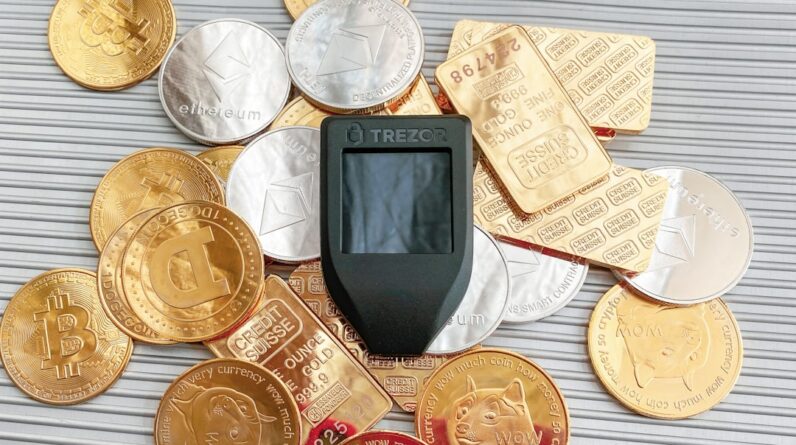
Non-fungible tokens, commonly referred to as NFTs, represent a groundbreaking shift in how we perceive ownership and value in the digital realm. Unlike cryptocurrencies such as Bitcoin or Ethereum, which are fungible and can be exchanged on a one-to-one basis, NFTs are unique digital assets that cannot be replaced or exchanged for something of equal value. Each NFT is distinct, carrying its own set of information and attributes that set it apart from other tokens.
This uniqueness is what makes NFTs particularly appealing to creators and collectors alike, as they can represent anything from digital art and music to virtual real estate and collectibles. As you delve deeper into the world of NFTs, you will discover that they are not merely a passing trend but a significant evolution in how we interact with digital content. The concept of ownership has been redefined; you can now possess a digital item that is verifiably yours, thanks to blockchain technology.
This ownership is recorded on a decentralized ledger, ensuring transparency and security. As a result, NFTs have opened up new avenues for creators to monetize their work while providing collectors with a way to invest in unique digital assets.
Key Takeaways
- NFTs are unique digital assets that cannot be exchanged on a like-for-like basis, unlike cryptocurrencies.
- NFTs function using blockchain technology to verify ownership and authenticity, making them secure and tamper-proof.
- The technology behind NFTs is based on smart contracts, which are self-executing contracts with the terms of the agreement directly written into code.
- NFTs have a wide range of uses, including digital art, collectibles, virtual real estate, and even event tickets.
- NFTs have revolutionized the art world by providing a new way for artists to monetize their digital creations and connect with a global audience.
How do NFTs function?
Understanding how NFTs function requires a grasp of the underlying technology that powers them. At their core, NFTs are built on blockchain technology, which serves as a decentralized ledger that records all transactions involving these tokens. When you purchase an NFT, the transaction is recorded on the blockchain, creating a permanent and immutable record of ownership.
This means that once you own an NFT, you can prove your ownership without relying on a central authority or intermediary. The process of creating an NFT is known as “minting.” When you mint an NFT, you are essentially creating a new token on the blockchain that represents your digital asset. This token contains metadata that describes the asset, including its title, creator, and any other relevant information.
Once minted, the NFT can be bought, sold, or traded on various marketplaces that specialize in these unique digital assets. The ability to transfer ownership seamlessly and securely is one of the key features that make NFTs so appealing to both creators and collectors.
The technology behind NFTs
The technology behind NFTs is primarily based on blockchain, which is a distributed ledger technology that ensures transparency and security in transactions. Most NFTs are built on the Ethereum blockchain, which supports smart contracts—self-executing contracts with the terms of the agreement directly written into code. These smart contracts facilitate the creation, transfer, and management of NFTs without the need for intermediaries.
However, other blockchains like Binance Smart Chain and Flow are also gaining traction in the NFT space. One of the most significant aspects of blockchain technology is its immutability. Once data is recorded on the blockchain, it cannot be altered or deleted.
This feature ensures that the provenance of an NFT can be traced back to its origin, providing buyers with confidence in the authenticity of their purchase. Additionally, blockchain technology allows for programmable royalties, meaning that creators can earn a percentage of sales every time their NFT is resold in the secondary market. This innovative approach not only benefits artists but also fosters a more sustainable ecosystem for digital creators.
The uses of NFTs
NFTs have found applications across various industries, showcasing their versatility beyond just digital art and collectibles. One prominent use case is in the realm of virtual real estate. Platforms like Decentraland and Cryptovoxels allow users to buy, sell, and develop virtual land as NFTs.
This virtual real estate can be used for various purposes, including hosting events, creating immersive experiences, or even establishing virtual storefronts for businesses. Another exciting application of NFTs lies in the world of ticketing. Traditional ticketing systems often face issues such as fraud and scalping.
By utilizing NFTs for event tickets, organizers can create unique tokens that represent each ticket sold. These tokens can include embedded information such as seat numbers and event details while ensuring that they cannot be duplicated or forged. This not only enhances security but also allows for greater control over ticket resale, enabling event organizers to implement fair pricing strategies.
NFTs in the art world
The art world has been significantly transformed by the advent of NFTs, providing artists with new opportunities to showcase and sell their work. Digital artists can now create unique pieces that are verifiably owned by collectors through NFTs. This shift has democratized access to art, allowing artists from diverse backgrounds to reach global audiences without relying on traditional galleries or auction houses.
Moreover, NFTs have introduced innovative ways for artists to engage with their audience. For instance, some artists offer exclusive content or experiences to NFT holders, such as behind-the-scenes access to their creative process or invitations to private events. This direct connection between artists and collectors fosters a sense of community and enhances the overall value of owning an NFT artwork.
As you explore this dynamic landscape, you’ll find that many renowned artists have embraced NFTs as a legitimate medium for expression and commerce.
NFTs in the gaming industry

Ownership and Control
Traditionally, players invest time and money into games but do not truly own their virtual items; they are often tied to specific platforms or accounts. With NFTs, players can buy, sell, and trade in-game assets as unique tokens that they genuinely own. This shift empowers players by giving them control over their digital possessions.
New Gameplay Experiences
NFTs enable new gameplay experiences through play-to-earn models. Games like Axie Infinity allow players to earn cryptocurrency by participating in battles or breeding virtual creatures. These earnings can then be converted into real-world currency or used to purchase additional in-game assets.
Economic Opportunities and Revenue Streams
This model not only incentivizes player engagement but also creates economic opportunities within the gaming ecosystem. As you navigate this evolving landscape, you’ll witness how NFTs are reshaping player interactions and creating new revenue streams for developers.
NFTs in the music industry
The music industry is undergoing a transformation thanks to NFTs, offering artists innovative ways to monetize their work while connecting with fans on a deeper level. Musicians can release exclusive tracks or albums as NFTs, allowing fans to purchase unique versions of their favorite songs directly from the artist. This direct-to-fan approach eliminates intermediaries like record labels and streaming platforms, enabling artists to retain a larger share of their earnings.
Furthermore, NFTs can enhance fan engagement by providing exclusive content or experiences tied to ownership. For example, an artist might offer NFT holders access to private concerts or meet-and-greet opportunities. This creates a sense of exclusivity and fosters a stronger bond between artists and their supporters.
As you explore this new frontier in music distribution, you’ll find that many musicians are embracing NFTs as a way to redefine their relationship with fans while exploring innovative revenue models.
Potential future uses of NFTs
As you look ahead to the future of NFTs, it’s clear that their potential applications are vast and varied. One area ripe for exploration is identity verification and digital credentials. Imagine a world where your educational degrees or professional certifications are stored as NFTs on a blockchain.
This would provide a secure and verifiable way for employers or institutions to confirm your qualifications without relying on traditional methods prone to fraud. Additionally, NFTs could play a significant role in supply chain management by providing transparency and traceability for physical goods. By linking physical products to their digital counterparts as NFTs, consumers could verify the authenticity and origin of items they purchase—be it luxury goods or food products—ensuring ethical sourcing and reducing counterfeiting.
In conclusion, non-fungible tokens represent a paradigm shift in how we perceive ownership and value in the digital age. From art and music to gaming and beyond, their applications are diverse and continually evolving. As you engage with this dynamic landscape, you’ll find that NFTs not only empower creators but also redefine our interactions with digital content in profound ways.
The future holds exciting possibilities for this technology as it continues to develop and integrate into various aspects of our lives.
FAQs
What are non-fungible tokens (NFTs)?
Non-fungible tokens (NFTs) are a type of digital asset that represents ownership or proof of authenticity of a unique item or piece of content using blockchain technology.
How do non-fungible tokens (NFTs) function?
NFTs function by using blockchain technology to create a unique digital certificate of ownership for a specific item or piece of content. This certificate is stored on a decentralized ledger, making it tamper-proof and verifiable.
What are the uses of non-fungible tokens (NFTs)?
NFTs have a variety of uses, including digital art, collectibles, virtual real estate, gaming items, and more. They can also be used to prove ownership and authenticity of physical assets through tokenization.