

In the ever-evolving landscape of technology, blockchain has emerged as a revolutionary force, reshaping how we perceive data, transactions, and trust. At the heart of this transformative technology lies a crucial component known as blockchain nodes. These nodes serve as the backbone of blockchain networks, facilitating communication, validation, and the overall functionality of decentralized systems.
As we delve into the intricacies of blockchain nodes, we will uncover their significance, types, and the vital roles they play in maintaining the integrity and security of blockchain networks. Understanding blockchain nodes is essential for anyone interested in the mechanics of decentralized technologies. As we explore this topic, we will not only define what nodes are but also examine their various types and functions within a blockchain ecosystem.
By grasping the importance of these nodes, we can better appreciate how they contribute to the decentralization and resilience of blockchain networks, paving the way for a more transparent and secure digital future.
Key Takeaways
- Blockchain nodes are essential components of a blockchain network, responsible for validating and relaying transactions.
- There are different types of blockchain nodes, including full nodes, light nodes, and mining nodes, each serving different functions within the network.
- Blockchain nodes play a crucial role in maintaining the security and integrity of the network by participating in the consensus mechanism and enforcing the rules of the protocol.
- Running a blockchain node requires technical knowledge and resources, but it contributes to the decentralization and resilience of the network.
- The future of blockchain nodes lies in their continued role in enabling decentralized applications and supporting the growth of the blockchain ecosystem, despite the challenges and risks associated with running a node.
What are Blockchain Nodes?
At its core, a blockchain node is any computer that participates in a blockchain network. These nodes maintain a copy of the entire blockchain ledger and are responsible for validating transactions and blocks. When we think about nodes, it’s important to recognize that they are not merely passive participants; they actively engage in the network’s operations.
Each node communicates with others to ensure that all copies of the blockchain remain synchronized and accurate. This synchronization is vital for maintaining trust among users, as it prevents discrepancies that could arise from malicious activities or technical failures. Nodes can be thought of as the building blocks of a blockchain network.
They store data, process transactions, and enforce the rules of the network. When we send or receive cryptocurrency, for instance, it is the nodes that validate these transactions before they are added to the blockchain. This validation process involves complex algorithms and consensus mechanisms that ensure only legitimate transactions are recorded.
Thus, nodes play an indispensable role in upholding the integrity of the entire system.
Types of Blockchain Nodes
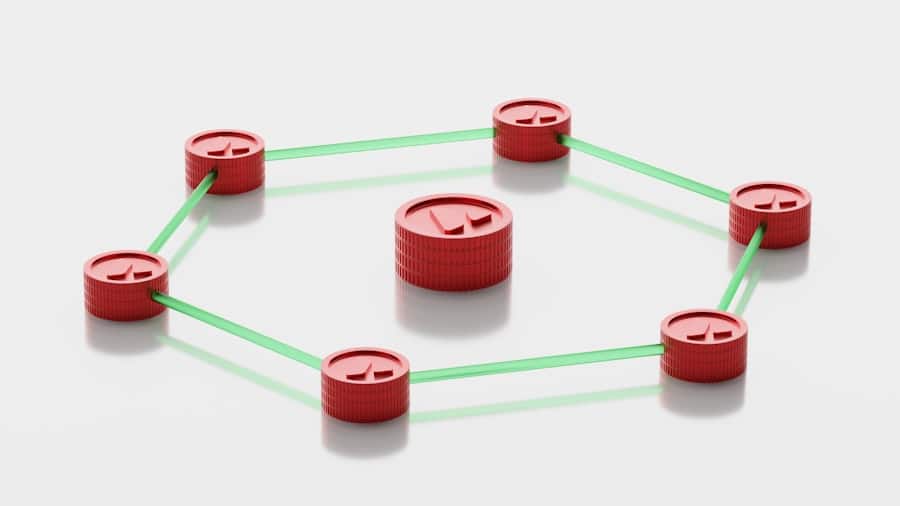
As we delve deeper into the world of blockchain nodes, we encounter various types that serve distinct purposes within the network. The most common types include full nodes, light nodes, and mining nodes. Full nodes maintain a complete copy of the blockchain and validate all transactions independently.
They are crucial for ensuring that the network remains decentralized and secure. By running a full node, we contribute to the overall health of the network, as these nodes help prevent fraud and double-spending. On the other hand, light nodes, also known as SPV (Simplified Payment Verification) nodes, do not store the entire blockchain but instead download only a portion of it.
They rely on full nodes to provide them with necessary information when validating transactions. While light nodes are less resource-intensive and easier to run, they do not offer the same level of security as full nodes. Mining nodes, meanwhile, are specialized full nodes that participate in the process of creating new blocks by solving complex mathematical problems.
These nodes are essential for maintaining the blockchain’s consensus mechanism and incentivizing participants through rewards.
The Role of Blockchain Nodes in the Network
The role of blockchain nodes extends far beyond mere data storage; they are integral to the functioning and security of the entire network. Each node contributes to transaction validation by verifying that incoming transactions adhere to the established rules of the blockchain protocol. This process involves checking digital signatures and ensuring that senders have sufficient funds before allowing transactions to be added to the ledger.
By performing these checks independently, nodes help maintain trust in a decentralized environment where no single entity has control over the entire system. Moreover, nodes facilitate communication within the network by relaying information about new transactions and blocks to other nodes. This decentralized communication model ensures that all participants have access to up-to-date information, fostering transparency and accountability.
In essence, without nodes actively participating in these processes, a blockchain network would struggle to function effectively. Their collaborative efforts create a robust ecosystem where data integrity is preserved, and users can engage in secure transactions without relying on intermediaries.
How to Run a Blockchain Node
For those interested in becoming active participants in a blockchain network, running a node can be an exciting endeavor. The process typically begins with selecting a blockchain platform that aligns with our interests—be it Bitcoin, Ethereum, or another cryptocurrency. Once we have chosen a platform, we need to download the appropriate software that allows us to connect to the network.
This software will enable our computer to communicate with other nodes and participate in transaction validation. After installing the software, we must ensure that our hardware meets the necessary requirements for running a node. Full nodes often require significant storage space and processing power since they need to download and maintain a complete copy of the blockchain.
Additionally, we should consider our internet connection speed and bandwidth usage, as running a node involves constant data transmission with other participants in the network. Once everything is set up, we can begin syncing our node with the network—a process that may take some time depending on the size of the blockchain.
The Importance of Blockchain Nodes for Decentralization

Decentralization is one of the fundamental principles underlying blockchain technology, and nodes play a pivotal role in achieving this goal. By distributing data across numerous independent nodes rather than relying on a central authority, blockchains enhance security and resilience against attacks or failures. Each node acts as an individual participant in the network, contributing to its overall strength and reliability.
The presence of multiple nodes also mitigates risks associated with single points of failure. In traditional centralized systems, if one server goes down or is compromised, it can lead to catastrophic consequences for users relying on that system. In contrast, because blockchain networks consist of numerous interconnected nodes, even if some fail or become compromised, others continue to operate normally.
This redundancy fosters trust among users and encourages broader adoption of decentralized technologies.
Challenges and Risks of Running a Blockchain Node
While running a blockchain node can be rewarding, it is not without its challenges and risks. One significant concern is the resource consumption associated with maintaining a full node. The storage requirements can be substantial, especially for blockchains with large transaction histories like Bitcoin or Ethereum.
As these blockchains grow over time, so too does the demand for storage space and processing power. Additionally, there are security risks involved in running a node. If we do not take proper precautions to secure our node from potential attacks or unauthorized access, we may inadvertently expose ourselves to vulnerabilities.
Cybercriminals may target nodes to exploit weaknesses or gain access to sensitive information. Therefore, it is crucial for us to implement robust security measures such as firewalls and regular software updates to protect our node from potential threats.
The Future of Blockchain Nodes
As we look ahead to the future of blockchain technology, it is clear that nodes will continue to play an essential role in shaping its evolution. With advancements in technology and increasing interest in decentralized applications (dApps), we can expect to see innovations that enhance node functionality and efficiency. For instance, developments in layer-two solutions aim to improve scalability while maintaining decentralization by allowing off-chain transactions while still leveraging the security of mainnet nodes.
Moreover, as more individuals and organizations recognize the value of decentralization, we may witness an increase in participation from everyday users running their own nodes. This growing trend could lead to even greater resilience within blockchain networks as more diverse participants contribute to their security and functionality. Ultimately, as we embrace this future together, it is evident that blockchain nodes will remain at the forefront of this technological revolution—empowering individuals and fostering trust in an increasingly digital world.
FAQs
What is a blockchain node?
A blockchain node is a computer that participates in the network of a blockchain by maintaining a copy of the entire blockchain ledger and validating and relaying transactions.
What is the role of a blockchain node?
The role of a blockchain node is to maintain the integrity of the blockchain network by validating and relaying transactions, as well as storing a copy of the entire blockchain ledger.
How does a blockchain node work?
A blockchain node works by connecting to the blockchain network, downloading a copy of the entire blockchain ledger, and then participating in the validation and relay of transactions.
What are the different types of blockchain nodes?
There are several types of blockchain nodes, including full nodes, light nodes, and mining nodes. Full nodes store a complete copy of the blockchain, while light nodes only store a portion of the blockchain. Mining nodes are responsible for creating new blocks in the blockchain.
Why are blockchain nodes important?
Blockchain nodes are important because they help to maintain the security and integrity of the blockchain network by validating and relaying transactions, as well as storing a copy of the entire blockchain ledger.
How can one set up a blockchain node?
Setting up a blockchain node typically involves downloading the blockchain software, syncing the node with the network, and then allowing it to participate in the validation and relay of transactions. The specific steps may vary depending on the blockchain network.


