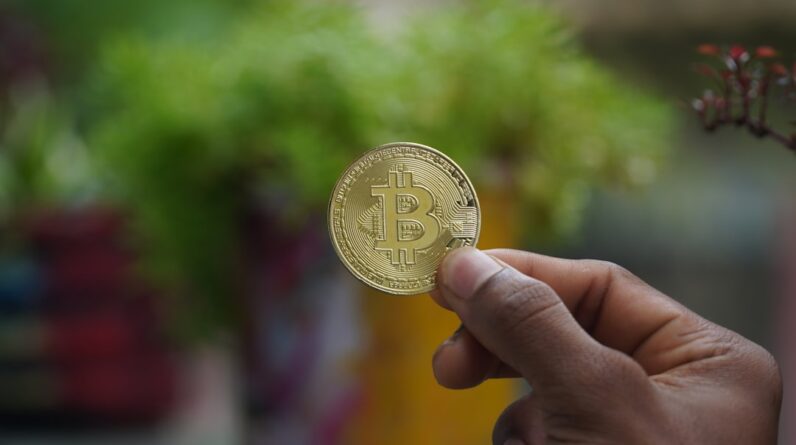
As you embark on your journey into the world of cryptocurrency, it’s essential to grasp the fundamental concepts that underpin this digital revolution. At its core, cryptocurrency is a form of digital or virtual currency that uses cryptography for security. Unlike traditional currencies issued by governments, cryptocurrencies operate on decentralized networks based on blockchain technology.
This means that transactions are recorded on a public ledger, ensuring transparency and security while eliminating the need for intermediaries like banks. You might find it fascinating that the first cryptocurrency, Bitcoin, was created in 2009 by an anonymous person or group known as Satoshi Nakamoto. Since then, thousands of alternative cryptocurrencies have emerged, each with unique features and purposes.
Understanding the differences between these currencies is crucial as you navigate this complex landscape. For instance, while Bitcoin is often viewed as a store of value, Ethereum offers a platform for decentralized applications and smart contracts. Familiarizing yourself with these distinctions will empower you to make informed decisions as you explore investment opportunities.
Key Takeaways
- Cryptocurrency is a digital or virtual form of currency that uses cryptography for security and operates independently of a central bank.
- When choosing a cryptocurrency wallet, consider factors such as security, ease of use, and the type of cryptocurrencies it supports.
- When selecting a cryptocurrency exchange, look for factors such as fees, security measures, available cryptocurrencies, and user interface.
- Setting up two-factor authentication adds an extra layer of security to your cryptocurrency accounts by requiring a second form of verification.
- Research different cryptocurrencies before making a purchase to understand their technology, use case, team, and market trends.
Choosing a Cryptocurrency Wallet
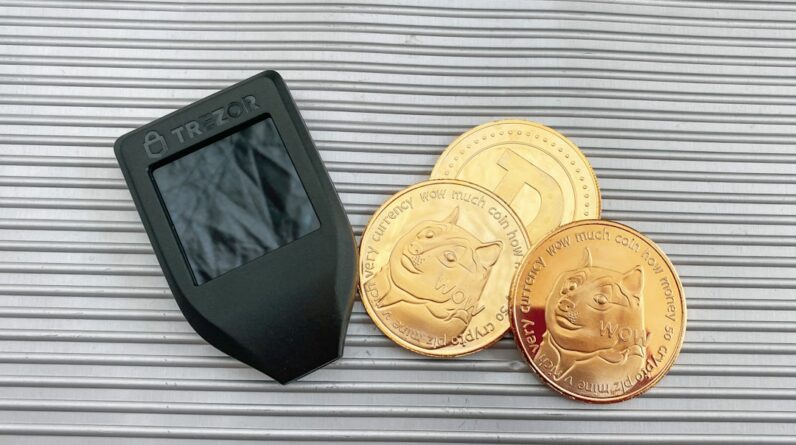
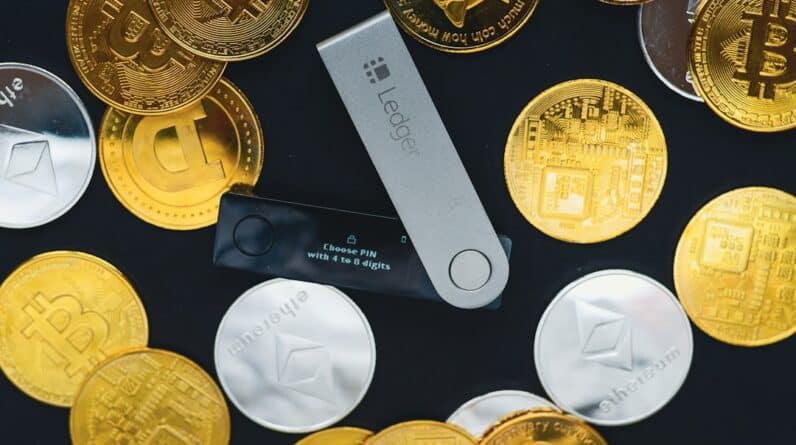
Once you have a grasp of what cryptocurrency is, the next step is selecting a suitable wallet to store your digital assets. A cryptocurrency wallet is a software program or hardware device that allows you to send, receive, and manage your cryptocurrencies securely. There are several types of wallets available, each with its advantages and disadvantages.
You can choose between hot wallets, which are connected to the internet and offer convenience for frequent transactions, and cold wallets, which are offline and provide enhanced security for long-term storage. When selecting a wallet, consider factors such as security features, user interface, and compatibility with various cryptocurrencies. Hardware wallets like Ledger or Trezor are often recommended for their robust security measures, while software wallets like Exodus or Trust Wallet offer user-friendly experiences for beginners.
It’s crucial to do your research and choose a wallet that aligns with your needs and level of expertise. Remember, the safety of your investments largely depends on how well you protect your wallet.
Selecting a Cryptocurrency Exchange
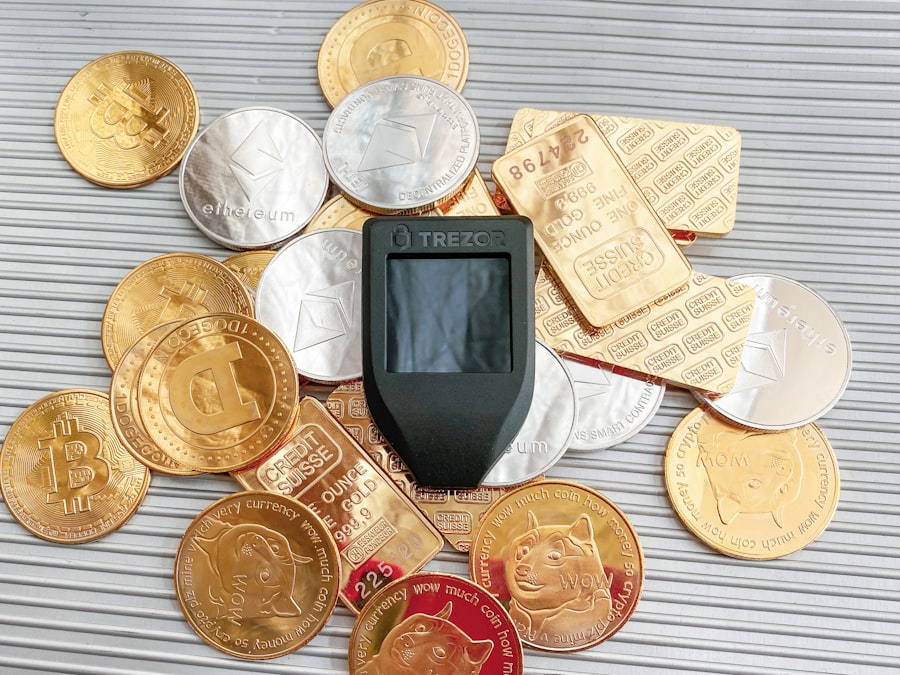
With your wallet in place, the next step is to choose a cryptocurrency exchange where you can buy and sell digital currencies. An exchange acts as a marketplace that connects buyers and sellers, allowing you to trade cryptocurrencies for fiat money or other digital assets. There are numerous exchanges available, each with varying features, fees, and security measures.
Some popular exchanges include Coinbase, Binance, and Kraken. When selecting an exchange, consider factors such as trading fees, user experience, available cryptocurrencies, and security protocols. It’s also wise to check if the exchange complies with regulations in your country to ensure a safe trading environment.
Additionally, look for reviews and feedback from other users to gauge the reliability of the platform. By taking the time to choose the right exchange, you can enhance your trading experience and minimize potential risks.
Setting Up Two-Factor Authentication
As you begin trading cryptocurrencies, safeguarding your account should be a top priority. One effective way to enhance your security is by setting up two-factor authentication (2FA) on your exchange account and wallet. 2FA adds an extra layer of protection by requiring not only your password but also a second form of verification before granting access to your account.
This could be a code sent to your mobile device or generated by an authentication app. Implementing 2FA significantly reduces the risk of unauthorized access to your accounts. Even if someone manages to obtain your password, they would still need the second factor to gain entry.
Most exchanges and wallets offer straightforward instructions for enabling 2FA, making it an essential step in securing your cryptocurrency investments. By taking this precautionary measure, you can trade with greater peace of mind.
Researching Different Cryptocurrencies
Before diving into purchasing cryptocurrencies, it’s crucial to conduct thorough research on the various options available in the market. With thousands of cryptocurrencies in existence, each with its unique features and use cases, understanding their fundamentals will help you make informed investment decisions. Start by exploring the top cryptocurrencies by market capitalization, such as Bitcoin and Ethereum, but don’t overlook smaller altcoins that may have significant growth potential.
When researching a cryptocurrency, consider factors such as its technology, use case, team behind the project, and community support. Whitepapers are valuable resources that outline a cryptocurrency’s purpose and technical details; reading them can provide insights into its viability and future prospects. Additionally, following reputable news sources and forums can keep you updated on market trends and developments within the crypto space.
By dedicating time to research, you can identify promising projects that align with your investment strategy.
Making Your First Cryptocurrency Purchase
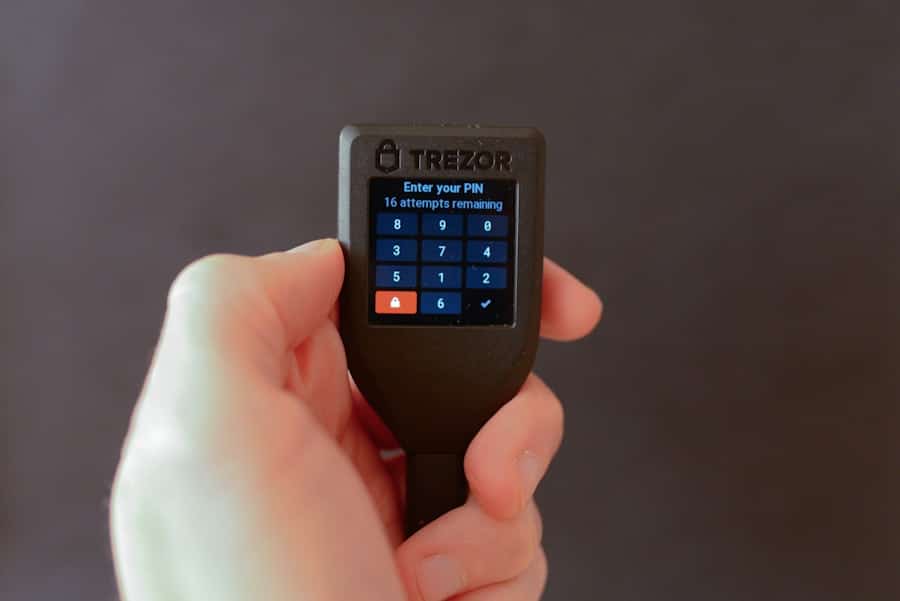
After conducting thorough research and selecting a cryptocurrency that piques your interest, it’s time to make your first purchase. Begin by logging into your chosen exchange and navigating to the trading section. You’ll typically have the option to buy cryptocurrencies using fiat currency or trade one cryptocurrency for another.
If you’re using fiat currency, ensure that you have deposited funds into your exchange account beforehand. When placing an order, you can choose between different types of orders such as market orders or limit orders. A market order allows you to buy at the current market price, while a limit order lets you set a specific price at which you want to buy.
Once you’ve placed your order and it’s executed successfully, the purchased cryptocurrency will be credited to your exchange account. From there, consider transferring it to your wallet for added security.
Storing Your Cryptocurrency Safely
Now that you’ve made your first purchase, it’s vital to store your cryptocurrency safely to protect it from potential threats such as hacking or theft. While keeping your assets on an exchange may be convenient for trading purposes, it’s generally safer to transfer them to a personal wallet where you have full control over your private keys. Remember that possession of private keys equates to ownership of the cryptocurrency; losing them means losing access to your funds.
Consider using hardware wallets for long-term storage as they provide robust security features against online threats. If you opt for software wallets, ensure they are reputable and regularly updated to mitigate vulnerabilities. Additionally, always back up your wallet information securely in case of device loss or failure.
By taking these precautions seriously, you can significantly reduce the risk of losing your investments.
Keeping Up with Cryptocurrency News and Trends
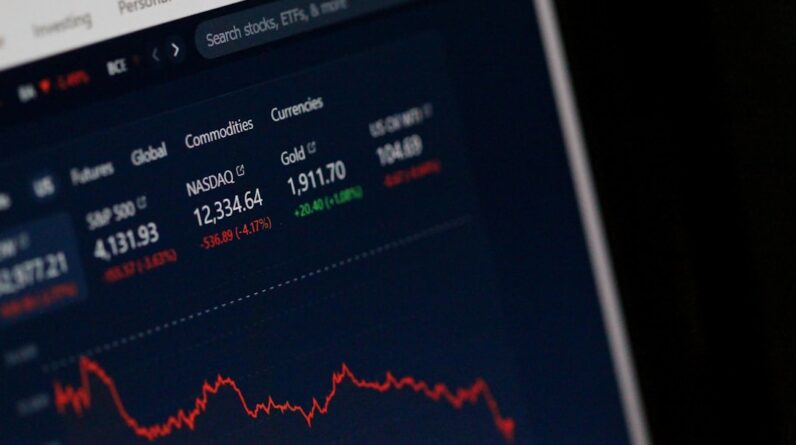
The cryptocurrency landscape is constantly evolving, making it essential for you to stay informed about the latest news and trends in the industry. Market dynamics can change rapidly due to regulatory developments, technological advancements, or shifts in investor sentiment. By keeping up with reputable news sources such as CoinDesk or CoinTelegraph, you can gain insights into market movements and emerging opportunities.
Engaging with online communities through forums like Reddit or social media platforms can also provide valuable perspectives from fellow investors and enthusiasts. Participating in discussions can help you understand different viewpoints and strategies while expanding your knowledge base. Additionally, consider following influential figures in the crypto space on platforms like Twitter for real-time updates and insights.
By staying informed and connected with the community, you can navigate the ever-changing world of cryptocurrency more effectively. In conclusion, entering the world of cryptocurrency requires a solid understanding of its fundamentals and careful consideration of various factors such as wallets, exchanges, security measures, and ongoing research. By following these steps diligently and remaining engaged with the latest developments in the industry, you can position yourself for success in this exciting digital frontier.
FAQs
What is cryptocurrency?
Cryptocurrency is a digital or virtual form of currency that uses cryptography for security and operates independently of a central bank. It is decentralized and typically uses a technology called blockchain to achieve transparency and immutability.
How do I buy cryptocurrency?
You can buy cryptocurrency through online exchanges, which allow you to trade traditional currency for digital currency. You can also purchase cryptocurrency through peer-to-peer platforms or Bitcoin ATMs.
What is a cryptocurrency wallet?
A cryptocurrency wallet is a digital tool that allows you to store, send, and receive cryptocurrency. There are different types of wallets, including hardware wallets, software wallets, and paper wallets.
How do I choose a cryptocurrency exchange?
When choosing a cryptocurrency exchange, consider factors such as security, fees, supported cryptocurrencies, user interface, and customer support. It’s important to research and compare different exchanges before making a decision.
What are the risks of investing in cryptocurrency?
Investing in cryptocurrency carries risks such as price volatility, security vulnerabilities, regulatory uncertainty, and the potential for fraud or scams. It’s important to conduct thorough research and only invest what you can afford to lose.
How can I learn more about cryptocurrency?
You can learn more about cryptocurrency through online resources, forums, and communities dedicated to the topic. Additionally, there are educational courses and workshops available for those looking to deepen their understanding of cryptocurrency.