To embark on your journey into the world of cryptocurrency, it’s essential to grasp the fundamental concepts that underpin this digital revolution. At its core, cryptocurrency is a form of digital or virtual currency that employs cryptography for security. Unlike traditional currencies issued by governments, cryptocurrencies operate on decentralized networks based on blockchain technology.
This means that transactions are recorded on a public ledger, ensuring transparency and security while eliminating the need for intermediaries like banks. As you delve deeper, you’ll discover that the decentralized nature of cryptocurrencies allows for greater control over your finances, as well as the potential for significant returns on investment. The allure of cryptocurrency lies not only in its innovative technology but also in its potential to disrupt traditional financial systems.
With thousands of different cryptocurrencies available, each with unique features and purposes, you may find yourself captivated by the possibilities. Bitcoin, the first and most well-known cryptocurrency, paved the way for others like Ethereum, Ripple, and Litecoin. Each of these digital assets serves different functions, from facilitating smart contracts to enabling faster cross-border transactions.
Understanding these distinctions will empower you to make informed decisions as you navigate this dynamic landscape.
Key Takeaways
- Cryptocurrency is a digital or virtual form of currency that uses cryptography for security and operates independently of a central bank.
- When choosing the right cryptocurrency to invest in, consider factors such as technology, team, market demand, and potential for growth.
- Setting up a cryptocurrency wallet is essential for storing, sending, and receiving digital currencies securely.
- Managing risk and security in cryptocurrency investing involves using strong passwords, enabling two-factor authentication, and being cautious of phishing scams.
- Different investment strategies for cryptocurrency include long-term holding, day trading, and diversifying your portfolio with various digital assets.
Choosing the Right Cryptocurrency
As you begin to explore the vast array of cryptocurrencies available, selecting the right one can feel overwhelming. It’s crucial to conduct thorough research and consider various factors before making your choice. Start by examining the market capitalization of different cryptocurrencies, as this can provide insight into their stability and potential for growth.
A higher market cap often indicates a more established asset, while smaller market caps may present opportunities for higher returns but come with increased risk. In addition to market capitalization, consider the technology behind each cryptocurrency. Some projects focus on scalability and transaction speed, while others prioritize security or privacy features.
For instance, if you’re interested in decentralized finance (DeFi), you might want to explore Ethereum or Binance Smart Chain-based tokens. Conversely, if privacy is your primary concern, Monero or Zcash could be more appealing options. By aligning your investment choices with your interests and values, you’ll be better equipped to navigate the complexities of the cryptocurrency market.
Setting Up a Cryptocurrency Wallet

Once you’ve chosen a cryptocurrency to invest in, the next step is to set up a secure wallet to store your digital assets. A cryptocurrency wallet is a software application or hardware device that allows you to send, receive, and manage your cryptocurrencies safely. There are several types of wallets available, including hot wallets (connected to the internet) and cold wallets (offline storage).
Hot wallets are convenient for frequent trading and transactions, while cold wallets offer enhanced security for long-term storage. When selecting a wallet, consider factors such as ease of use, security features, and compatibility with your chosen cryptocurrency. Popular options include software wallets like Exodus and mobile wallets like Trust Wallet, which provide user-friendly interfaces for managing your assets.
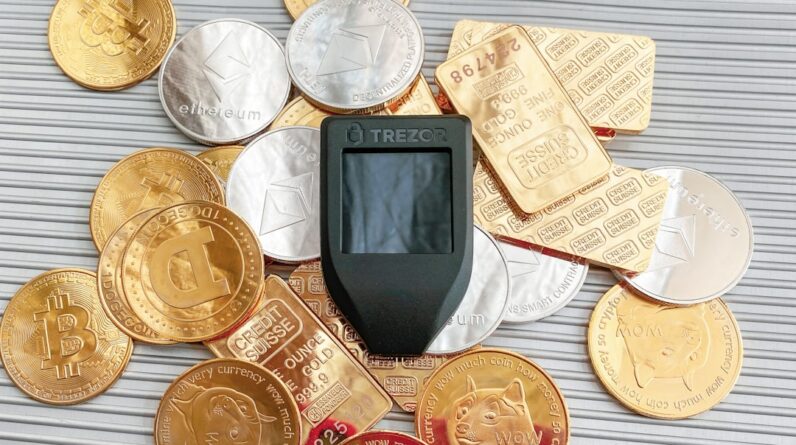
If security is your top priority, hardware wallets like Ledger or Trezor are excellent choices, as they store your private keys offline and are less susceptible to hacking attempts. Regardless of which wallet you choose, always remember to back up your recovery phrase and keep it in a safe place to ensure you can access your funds in case of loss or theft.
Managing Risk and Security
Investing in cryptocurrency can be exhilarating but also comes with inherent risks. As you navigate this volatile market, it’s essential to develop a risk management strategy that aligns with your financial goals and risk tolerance. One effective approach is diversification—spreading your investments across multiple cryptocurrencies rather than putting all your funds into a single asset.
This strategy can help mitigate losses if one particular asset underperforms while allowing you to capitalize on potential gains from others. In addition to diversification, prioritizing security is paramount when managing your cryptocurrency investments. Cybersecurity threats are prevalent in the digital asset space, making it crucial to adopt best practices for safeguarding your funds.
Enable two-factor authentication (2FA) on your accounts whenever possible and be cautious about sharing personal information online. Regularly updating your software and using strong, unique passwords can further enhance your security measures. By taking these precautions, you can protect your investments from potential threats and enjoy peace of mind as you explore the world of cryptocurrency.
Different Investment Strategies
As you become more comfortable with cryptocurrency investing, it’s important to explore various investment strategies that can help you achieve your financial objectives. One popular approach is dollar-cost averaging (DCA), which involves investing a fixed amount of money at regular intervals regardless of market conditions. This strategy can help reduce the impact of volatility by spreading out your purchases over time, allowing you to buy more when prices are low and less when prices are high.
Another strategy worth considering is swing trading, which involves taking advantage of short-term price fluctuations in the market. This approach requires a keen understanding of technical analysis and market trends but can yield significant profits if executed correctly. Alternatively, if you prefer a more hands-off approach, long-term investing—often referred to as “HODLing”—involves buying and holding onto cryptocurrencies for an extended period with the belief that their value will increase over time.
Each strategy has its pros and cons, so it’s essential to choose one that aligns with your investment style and risk tolerance.
Keeping Up with Market Trends

Staying informed about market trends is crucial for any cryptocurrency investor looking to make informed decisions. The cryptocurrency landscape is constantly evolving, with new projects emerging and existing ones adapting to changing market conditions. To keep up with these developments, consider following reputable news sources, joining online communities, and engaging with social media platforms dedicated to cryptocurrency discussions.
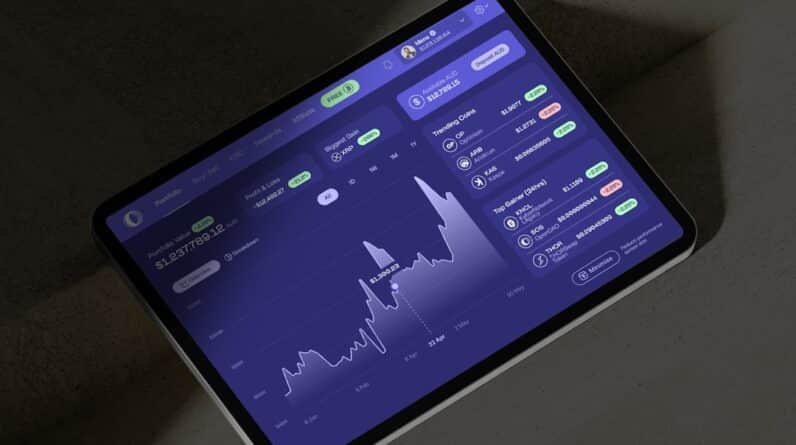
Additionally, utilizing tools such as price tracking apps and market analysis platforms can provide valuable insights into price movements and trading volumes. Websites like CoinMarketCap and CoinGecko offer comprehensive data on various cryptocurrencies, allowing you to monitor their performance in real-time. By staying updated on market trends and news events that may impact prices, you’ll be better equipped to make timely investment decisions and capitalize on emerging opportunities.
Tax Implications of Cryptocurrency Investing
As you navigate the world of cryptocurrency investing, it’s essential to understand the tax implications associated with your transactions. In many countries, cryptocurrencies are treated as property rather than currency for tax purposes. This means that any gains or losses from buying or selling cryptocurrencies may be subject to capital gains tax.
Familiarizing yourself with local tax regulations is crucial to ensure compliance and avoid potential penalties. To accurately report your cryptocurrency transactions, maintain detailed records of all trades, including dates, amounts, and prices at which you bought or sold assets. Many investors find it helpful to use tax software specifically designed for cryptocurrency transactions to simplify this process.
By staying organized and informed about tax obligations related to your investments, you can navigate this aspect of cryptocurrency investing with confidence.
Resources for Further Learning
As you continue your journey into the world of cryptocurrency investing, numerous resources are available to deepen your understanding and enhance your skills. Online courses offered by platforms like Coursera or Udemy can provide structured learning experiences covering various aspects of cryptocurrency and blockchain technology. Additionally, books written by industry experts can offer valuable insights into investment strategies and market analysis.
Engaging with online communities through forums like Reddit or Discord can also be beneficial for exchanging ideas and learning from experienced investors. Podcasts dedicated to cryptocurrency topics often feature interviews with industry leaders and discussions about current trends that can broaden your perspective. By leveraging these resources, you’ll be well-equipped to navigate the complexities of cryptocurrency investing and make informed decisions that align with your financial goals.