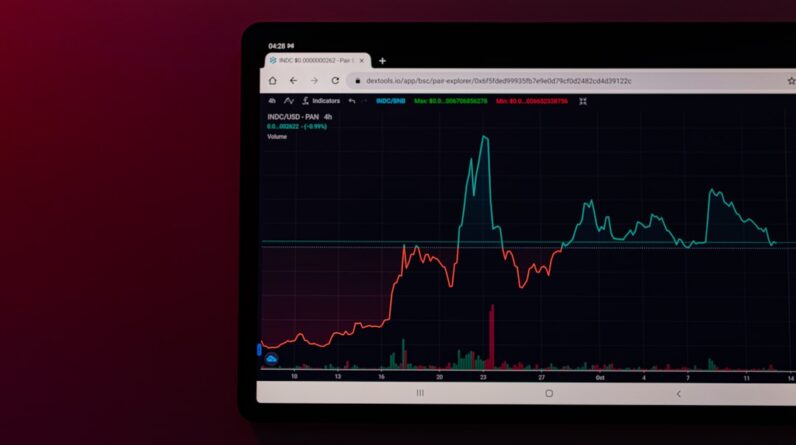
To embark on your journey into the world of cryptocurrency, it is essential to grasp the fundamental concepts that underpin this digital financial landscape. At its core, cryptocurrency is a form of digital or virtual currency that employs cryptography for security. Unlike traditional currencies issued by governments, cryptocurrencies operate on decentralized networks based on blockchain technology.
This decentralized nature means that no single entity, such as a bank or government, has control over the currency, which can lead to increased transparency and reduced transaction costs. As you delve deeper into the basics, you will encounter various types of cryptocurrencies, each with unique features and purposes. Bitcoin, the first and most well-known cryptocurrency, was created in 2009 and has paved the way for thousands of other digital currencies.
Altcoins, or alternative coins, include Ethereum, Ripple, and Litecoin, each offering different functionalities and use cases. Understanding these distinctions is crucial as you navigate the cryptocurrency landscape, allowing you to make informed decisions about which currencies align with your investment goals.
Key Takeaways
- Cryptocurrency is a digital or virtual form of currency that uses cryptography for security and operates independently of a central bank.
- When choosing the right cryptocurrency to invest in, consider factors such as the technology behind it, its use case, and the team behind the project.
- Setting up a cryptocurrency wallet is essential for storing, sending, and receiving digital currencies securely.
- Research and analyze cryptocurrency markets by staying updated on news, market trends, and price movements to make informed investment decisions.
- Developing a diversified cryptocurrency investment strategy can help spread risk and maximize potential returns.
Choosing the Right Cryptocurrency to Invest In
Selecting the right cryptocurrency to invest in can be a daunting task given the vast array of options available. To make an informed choice, you should start by evaluating the market capitalization of various cryptocurrencies. Market capitalization is calculated by multiplying the total supply of coins by their current price.
A higher market cap often indicates a more established and potentially stable investment. However, it’s important to remember that a lower market cap can also present opportunities for significant growth if the project gains traction. In addition to market capitalization, consider the technology behind each cryptocurrency.
Investigate the underlying blockchain technology and its potential applications. For instance, Ethereum is not just a currency; it also serves as a platform for decentralized applications (dApps) and smart contracts. Understanding the utility of a cryptocurrency can help you gauge its long-term viability.
Furthermore, keep an eye on the development team and community support surrounding a project. A strong team with a clear vision and active community engagement can be indicators of a promising investment.
Setting Up a Cryptocurrency Wallet

Once you have identified the cryptocurrencies you wish to invest in, the next step is to set up a cryptocurrency wallet. A wallet is essential for storing your digital assets securely. There are several types of wallets available, each with its own advantages and disadvantages.
Hardware wallets, such as Ledger or Trezor, provide a high level of security by storing your private keys offline. This makes them less susceptible to hacking but may require a bit more effort to set up and use. Alternatively, software wallets can be more user-friendly and accessible for everyday transactions.
These wallets can be downloaded as mobile apps or desktop applications. While they offer convenience, they are generally considered less secure than hardware wallets due to their connection to the internet. As you choose a wallet, consider your investment strategy and how frequently you plan to trade or use your cryptocurrencies.
Regardless of the type of wallet you select, always prioritize security by enabling two-factor authentication and keeping your recovery phrases safe.
Researching and Analyzing Cryptocurrency Markets
To succeed in cryptocurrency investing, thorough research and analysis of the markets are paramount. Start by familiarizing yourself with various resources that provide real-time data on cryptocurrency prices, trading volumes, and market trends. Websites like CoinMarketCap and CoinGecko offer comprehensive insights into different cryptocurrencies, allowing you to track their performance over time.
In addition to price analysis, consider exploring fundamental analysis techniques. This involves evaluating a cryptocurrency’s underlying technology, use case, and market demand. Look for whitepapers that outline the project’s goals and technical specifications.
Engaging with online communities on platforms like Reddit or Twitter can also provide valuable insights from other investors and enthusiasts. By combining technical analysis with fundamental research, you can develop a well-rounded understanding of market dynamics that will inform your investment decisions.
Developing a Diversified Cryptocurrency Investment Strategy
Creating a diversified investment strategy is crucial in mitigating risks associated with cryptocurrency investments. Instead of putting all your funds into one or two cryptocurrencies, consider spreading your investments across multiple assets. This approach can help cushion your portfolio against market volatility and reduce the impact of poor-performing assets.
When diversifying your portfolio, think about including a mix of established cryptocurrencies like Bitcoin and Ethereum alongside smaller altcoins with growth potential. Additionally, consider allocating a portion of your investments to stablecoins, which are pegged to traditional currencies and can provide stability during turbulent market conditions. By balancing high-risk assets with more stable options, you can create a well-rounded investment strategy that aligns with your risk tolerance and financial goals.
Managing Risks and Volatility in Cryptocurrency Investments

The cryptocurrency market is notorious for its volatility, which can present both opportunities and challenges for investors like yourself. To effectively manage risks associated with this volatility, it’s essential to establish clear investment goals and stick to them. Determine how much you are willing to invest and what level of risk you are comfortable with before entering the market.
Implementing risk management strategies can also help protect your investments. Consider setting stop-loss orders to automatically sell your assets if they fall below a certain price point. This can prevent significant losses during sudden market downturns.
Additionally, avoid making impulsive decisions based on short-term price fluctuations; instead, focus on long-term trends and maintain a disciplined approach to your investment strategy.
Staying Informed and Updated on Cryptocurrency Trends
In the fast-paced world of cryptocurrency, staying informed about market trends and developments is vital for making sound investment decisions. Follow reputable news sources that cover cryptocurrency-related topics extensively. Websites like CoinDesk and The Block provide timely updates on regulatory changes, technological advancements, and market analysis that can impact your investments.
Engaging with online communities can also enhance your understanding of current trends. Participate in forums or social media groups where investors share insights and discuss emerging projects. By actively seeking out information and staying connected with other enthusiasts, you can gain valuable perspectives that may influence your investment strategy.
Seeking Professional Advice and Guidance in Cryptocurrency Investments
While self-education is crucial in navigating the cryptocurrency landscape, seeking professional advice can provide additional support as you make investment decisions. Financial advisors who specialize in cryptocurrencies can offer personalized guidance tailored to your financial situation and goals. They can help you understand complex concepts, assess risks, and develop a comprehensive investment strategy.
When choosing a financial advisor, look for someone with experience in cryptocurrency investments who can provide insights into market trends and regulatory considerations. Additionally, ensure that they have a solid understanding of your risk tolerance and investment objectives. By collaborating with a knowledgeable professional, you can enhance your confidence in making informed decisions within this dynamic market.
In conclusion, entering the world of cryptocurrency requires a solid understanding of its fundamentals, careful selection of assets, strategic planning, and ongoing education. By following these guidelines and remaining proactive in managing risks and staying informed about trends, you can navigate this exciting yet volatile landscape with greater confidence and success in your investment endeavors.
FAQs
What is cryptocurrency?
Cryptocurrency is a digital or virtual form of currency that uses cryptography for security and operates independently of a central bank.
How can I invest in cryptocurrency?
You can invest in cryptocurrency by opening an account on a cryptocurrency exchange, purchasing cryptocurrency through a broker, or investing in cryptocurrency-related stocks or funds.
What are the risks of investing in cryptocurrency?
Investing in cryptocurrency carries risks such as price volatility, regulatory uncertainty, security risks, and the potential for fraud or hacking.
What are the different types of cryptocurrency?
There are thousands of different cryptocurrencies, but some of the most well-known ones include Bitcoin, Ethereum, Ripple, Litecoin, and Bitcoin Cash.
Is it safe to invest in cryptocurrency?
Investing in cryptocurrency carries risks, so it’s important to do thorough research, use secure platforms, and consider consulting with a financial advisor before investing.
What are some tips for investing in cryptocurrency?
Some tips for investing in cryptocurrency include diversifying your investments, staying informed about market trends, and only investing what you can afford to lose.