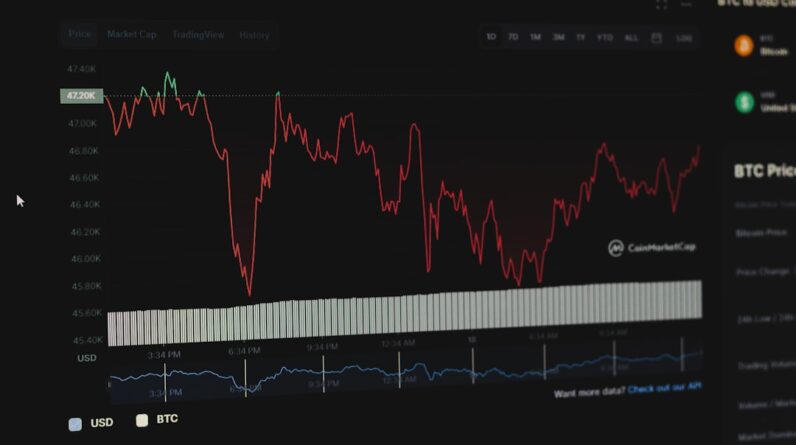
To embark on your journey into the world of cryptocurrency, it is essential to grasp the fundamental concepts that underpin this digital financial landscape. Cryptocurrency is a form of digital or virtual currency that employs cryptography for security, making it nearly impossible to counterfeit or double-spend. Unlike traditional currencies issued by governments, cryptocurrencies operate on decentralized networks based on blockchain technology.
This decentralized nature means that no single entity, such as a bank or government, has control over the currency, which can be both liberating and daunting for new investors. As you delve deeper into the realm of cryptocurrency, you will encounter various types of digital currencies, each with its unique features and purposes. Bitcoin, the first and most well-known cryptocurrency, was created in 2009 and has paved the way for thousands of other cryptocurrencies, often referred to as altcoins.
These altcoins can serve different functions, from facilitating smart contracts to enabling decentralized finance (DeFi) applications. Understanding these distinctions is crucial as you navigate your investment options and determine which cryptocurrencies align with your financial goals.
Key Takeaways
- Cryptocurrency is a digital or virtual form of currency that uses cryptography for security and operates independently of a central bank.
- When setting investment goals for cryptocurrency, consider factors such as risk tolerance, time horizon, and desired returns.
- Researching cryptocurrencies involves analyzing factors such as technology, team, market demand, and competition before making investment decisions.
- Diversifying your cryptocurrency portfolio can help spread risk and maximize potential returns by investing in different types of cryptocurrencies.
- Managing risk in cryptocurrency investment involves strategies such as setting stop-loss orders, avoiding emotional decision-making, and staying updated on market trends.
Setting Investment Goals
Before you dive headfirst into investing in cryptocurrencies, it is vital to establish clear investment goals. What do you hope to achieve through your investments? Are you looking for short-term gains, or are you more interested in long-term wealth accumulation?
By defining your objectives, you can create a roadmap that guides your investment decisions and helps you stay focused amidst the volatility that characterizes the crypto market. Your investment goals should also take into account your risk tolerance and financial situation. If you are risk-averse, you may want to consider a more conservative approach, focusing on established cryptocurrencies with a proven track record.
Conversely, if you are willing to embrace higher risks for potentially greater rewards, exploring newer or less mainstream cryptocurrencies might be appealing. By aligning your investment strategy with your personal goals and risk appetite, you can make more informed decisions that resonate with your financial aspirations.
Researching Cryptocurrencies

Once you have set your investment goals, the next step is to conduct thorough research on the cryptocurrencies that pique your interest. The crypto market is vast and ever-evolving, making it essential to stay informed about the latest developments and trends. Start by exploring reputable sources of information, such as cryptocurrency news websites, forums, and social media platforms where enthusiasts share insights and analyses.
As you research specific cryptocurrencies, pay attention to their underlying technology, use cases, and the teams behind them. Understanding the fundamentals of a cryptocurrency can provide valuable context for its potential growth and adoption. Additionally, consider examining market trends and historical price movements to gauge how a particular cryptocurrency has performed over time.
This comprehensive research will empower you to make educated decisions about which assets to include in your investment portfolio.
Diversifying Your Portfolio
Diversification is a key principle in investing that can help mitigate risk and enhance potential returns. In the context of cryptocurrency, this means spreading your investments across various digital assets rather than concentrating your funds in a single coin or token. By diversifying your portfolio, you can reduce the impact of volatility associated with any one cryptocurrency and increase your chances of capitalizing on different market opportunities.
When diversifying your cryptocurrency portfolio, consider including a mix of established coins like Bitcoin and Ethereum alongside smaller altcoins with promising potential. Each asset class may respond differently to market conditions, so having a well-rounded portfolio can help cushion against sudden price fluctuations. Additionally, keep an eye on emerging trends within the crypto space, such as decentralized finance (DeFi) or non-fungible tokens (NFTs), as these sectors may offer unique investment opportunities worth exploring.
Managing Risk
Investing in cryptocurrencies inherently involves a degree of risk due to their volatile nature. As an investor, it is crucial to develop a robust risk management strategy that aligns with your investment goals and risk tolerance. One effective approach is to set stop-loss orders for your investments.
A stop-loss order automatically sells a cryptocurrency when its price falls below a predetermined level, helping you limit potential losses during market downturns. Another aspect of managing risk is understanding the importance of position sizing. This involves determining how much of your total investment capital you are willing to allocate to each cryptocurrency.
By limiting the amount you invest in any single asset, you can protect yourself from significant losses if that particular investment does not perform as expected. Additionally, regularly reviewing and adjusting your risk management strategies will ensure that they remain aligned with your evolving financial situation and market conditions.
Staying Informed

The cryptocurrency landscape is constantly changing, with new developments occurring daily. To be a successful investor, it is essential to stay informed about market trends, regulatory changes, and technological advancements that could impact your investments. Subscribing to reputable cryptocurrency news outlets and following industry experts on social media can provide valuable insights into emerging trends and potential investment opportunities.
Moreover, participating in online communities and forums can enhance your understanding of the crypto market. Engaging with other investors allows you to share experiences, ask questions, and gain different perspectives on various cryptocurrencies. By actively seeking out information and staying connected with the crypto community, you can make more informed decisions and adapt your investment strategy as needed.
Rebalancing Your Portfolio
As time goes on and market conditions change, it is essential to periodically review and rebalance your cryptocurrency portfolio. Rebalancing involves adjusting the allocation of your investments to ensure they remain aligned with your original goals and risk tolerance. For instance, if one cryptocurrency has significantly outperformed others in your portfolio, it may now represent a larger percentage of your total investments than intended.
By rebalancing your portfolio regularly—whether quarterly or annually—you can maintain a diversified asset allocation that reflects your investment strategy. This process not only helps manage risk but also allows you to take profits from high-performing assets and reinvest them into underperforming ones with potential for growth. Ultimately, rebalancing ensures that your portfolio remains dynamic and responsive to changing market conditions.
Seeking Professional Advice
While self-education and research are vital components of successful cryptocurrency investing, there may come a time when seeking professional advice becomes necessary. Financial advisors who specialize in cryptocurrencies can provide personalized guidance tailored to your unique financial situation and investment goals. They can help you navigate complex market dynamics and develop a comprehensive investment strategy that aligns with your risk tolerance.
When choosing a financial advisor, look for someone with experience in the cryptocurrency space who understands the nuances of digital assets. A knowledgeable advisor can assist you in making informed decisions about asset allocation, tax implications, and long-term planning strategies related to your cryptocurrency investments. By leveraging their expertise, you can enhance your confidence in navigating the ever-evolving world of cryptocurrencies while working towards achieving your financial objectives.
In conclusion, investing in cryptocurrencies offers exciting opportunities but also comes with inherent risks. By understanding the fundamentals of cryptocurrency, setting clear investment goals, conducting thorough research, diversifying your portfolio, managing risk effectively, staying informed about market trends, rebalancing regularly, and seeking professional advice when needed, you can position yourself for success in this dynamic financial landscape. As you embark on this journey, remember that patience and diligence are key; the world of cryptocurrency is not just about quick gains but also about building a sustainable investment strategy for the future.
FAQs
What is a crypto portfolio?
A crypto portfolio is a collection of different cryptocurrencies that an individual or entity holds as part of their investment strategy.
Why should I build a crypto portfolio?
Building a crypto portfolio allows for diversification of investment in the cryptocurrency market, which can help manage risk and potentially increase returns.
How do I build a crypto portfolio?
To build a crypto portfolio, one should research and select a variety of cryptocurrencies, consider their investment goals and risk tolerance, and allocate funds accordingly.
What factors should I consider when building a crypto portfolio?
When building a crypto portfolio, factors to consider include the potential for growth, the technology and team behind the cryptocurrency, market trends, and regulatory developments.
What are the best practices for building a crypto portfolio?
Best practices for building a crypto portfolio include conducting thorough research, diversifying investments, regularly reviewing and rebalancing the portfolio, and staying informed about the cryptocurrency market.