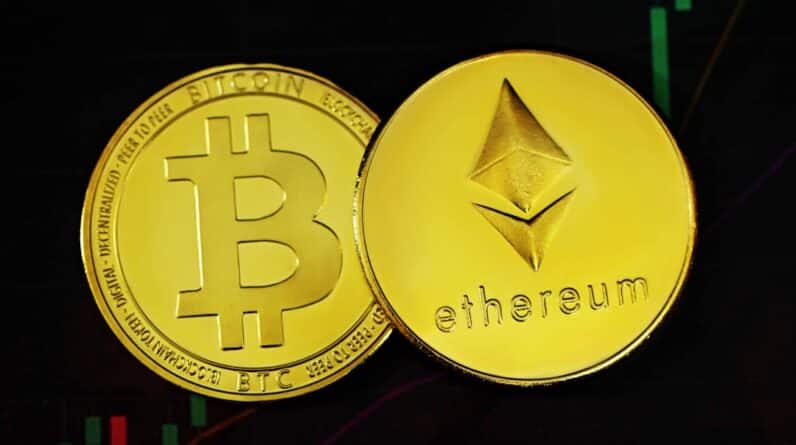
To truly grasp the concept of Bitcoin, you must first recognize it as a revolutionary digital currency that operates on a decentralized network. Unlike traditional currencies issued by governments, Bitcoin is not controlled by any central authority. Instead, it relies on a technology called blockchain, which is a public ledger that records all transactions made with Bitcoin.
This decentralized nature not only enhances security but also provides transparency, as anyone can view the transaction history. As you delve deeper into the world of Bitcoin, you will discover that it was created in 2009 by an anonymous person or group known as Satoshi Nakamoto, who envisioned a peer-to-peer electronic cash system that would eliminate the need for intermediaries like banks. Understanding Bitcoin also involves recognizing its unique characteristics.
For instance, Bitcoin is finite; there will only ever be 21 million coins in existence. This scarcity is one of the factors that contribute to its value, as demand continues to grow while supply remains limited. Additionally, Bitcoin transactions are pseudonymous, meaning that while transaction details are public, the identities of the individuals involved are not directly tied to their Bitcoin addresses.
This aspect can provide a level of privacy, but it also raises questions about regulation and legality in various jurisdictions. As you explore Bitcoin further, you will encounter various opinions on its potential as a store of value, a medium of exchange, and its role in the future of finance.
Key Takeaways
- Bitcoin is a decentralized digital currency that operates without a central authority or banks.
- When choosing a Bitcoin wallet, consider factors such as security, ease of use, and compatibility with your device.
- Look for a reputable Bitcoin exchange with low fees, strong security measures, and a user-friendly interface.
- Verifying your identity with a Bitcoin exchange may require providing personal information and documents to comply with regulations.
- When making a purchase with Bitcoin, ensure that the merchant accepts the cryptocurrency and be aware of any transaction fees.
- Storing your Bitcoin securely is crucial, consider using hardware wallets or cold storage for long-term holding.
- Implement security measures such as two-factor authentication and regular software updates to protect your Bitcoin holdings.
- Stay informed about Bitcoin trends and developments by following reputable sources, joining online communities, and attending industry events.
Choosing a Bitcoin Wallet
Once you have a foundational understanding of Bitcoin, the next step is to choose a suitable wallet for storing your digital currency. A Bitcoin wallet is essential for managing your coins, as it allows you to send and receive Bitcoin securely. There are several types of wallets available, each with its own advantages and disadvantages.
You might consider starting with a software wallet, which can be installed on your computer or mobile device. These wallets are user-friendly and convenient for everyday transactions, but they may be more vulnerable to hacking compared to other options. Alternatively, you could opt for a hardware wallet, which is a physical device designed specifically for storing cryptocurrencies.
Hardware wallets offer enhanced security features, as they keep your private keys offline and away from potential online threats. While they may require a bit more effort to set up and use, the peace of mind they provide can be invaluable, especially if you plan to hold a significant amount of Bitcoin. As you weigh your options, consider factors such as ease of use, security features, and whether you plan to make frequent transactions or hold your Bitcoin long-term.
Finding a Bitcoin Exchange
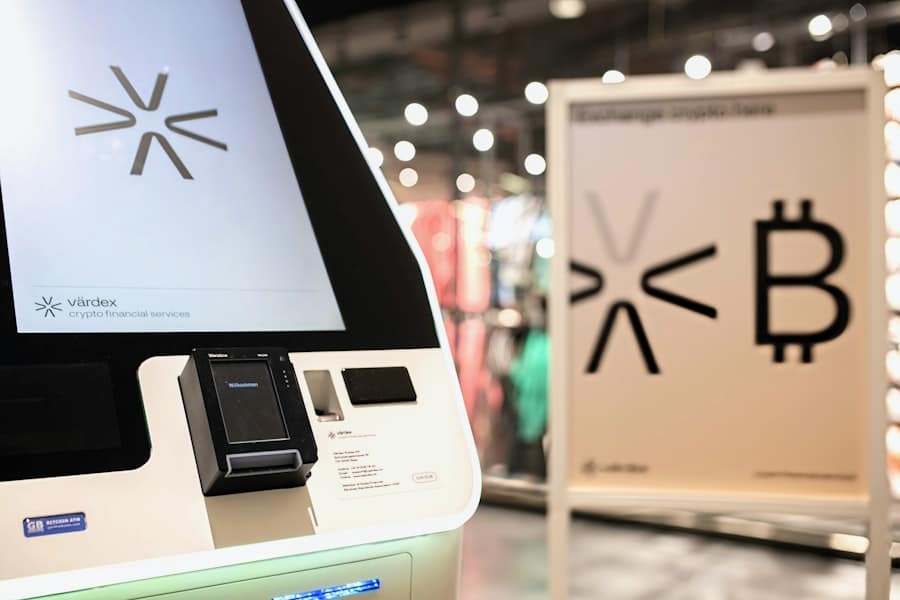
After selecting a wallet, your next task is to find a reliable Bitcoin exchange where you can buy and sell Bitcoin. An exchange acts as a marketplace where you can trade your fiat currency for Bitcoin or vice versa. When searching for an exchange, it’s crucial to consider factors such as reputation, fees, and available payment methods.
You may want to read reviews and check the exchange’s history to ensure it has a solid track record of security and customer service. Once you’ve narrowed down your options, take the time to compare the fees associated with each exchange. Some platforms charge trading fees based on the volume of your transactions, while others may have fixed fees or withdrawal fees when you transfer your Bitcoin to your wallet.
Additionally, consider the payment methods accepted by the exchange; some may allow bank transfers or credit card payments, while others might only accept cryptocurrency deposits. By carefully evaluating these factors, you can choose an exchange that aligns with your needs and preferences.
Verifying Your Identity
Before you can start trading on most exchanges, you’ll need to complete an identity verification process. This step is essential for complying with regulations aimed at preventing fraud and money laundering. As part of this process, you may be required to provide personal information such as your name, address, and date of birth.
Additionally, many exchanges will ask for identification documents like a driver’s license or passport to confirm your identity. While this verification process may seem cumbersome, it serves an important purpose in enhancing the security of the platform and protecting users from potential scams. Once you’ve submitted your information and documents, the exchange will review them and notify you when your account is verified.
This process can take anywhere from a few minutes to several days, depending on the exchange’s policies and workload. After verification, you’ll be able to deposit funds into your account and begin trading Bitcoin with confidence.
Making a Purchase
With your account set up and verified, you’re now ready to make your first purchase of Bitcoin. The process typically begins by depositing funds into your exchange account using one of the accepted payment methods. Once your deposit is confirmed, you can navigate to the trading section of the platform where you’ll find options for buying Bitcoin.
Here, you’ll have the choice between placing a market order or a limit order. A market order allows you to buy Bitcoin at the current market price, ensuring that your purchase is executed quickly. On the other hand, a limit order lets you specify the price at which you’re willing to buy Bitcoin; this order will only be executed if the market reaches your desired price.
Depending on your trading strategy and market conditions, you may choose one method over the other. After placing your order and confirming the transaction details, you’ll receive your purchased Bitcoin in your exchange wallet.
Storing Your Bitcoin
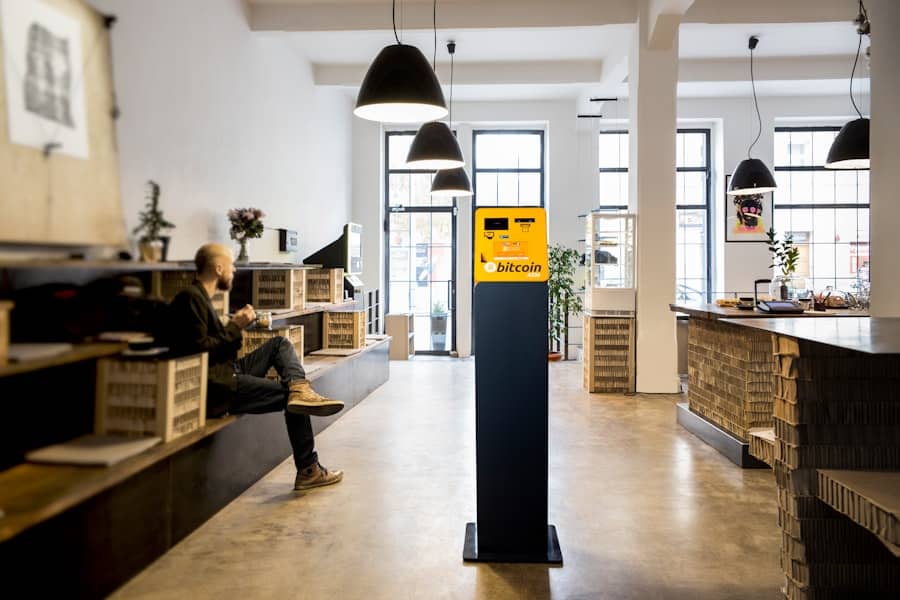
Once you’ve successfully purchased Bitcoin, it’s crucial to transfer it from the exchange wallet to your personal wallet for safekeeping. Keeping your Bitcoin on an exchange can expose you to risks such as hacking or insolvency of the platform. By transferring your coins to a personal wallet—whether it’s software or hardware—you gain greater control over your assets and enhance their security.
When transferring Bitcoin to your wallet, you’ll need to provide your wallet’s address—a unique string of characters that identifies where your coins should be sent. Double-check this address before initiating the transfer to avoid any costly mistakes. Once the transaction is confirmed on the blockchain, you’ll see your Bitcoin reflected in your personal wallet balance.
From there, you can hold onto it for long-term investment or use it for transactions as needed.
Security Measures
As you navigate the world of Bitcoin and cryptocurrency in general, implementing robust security measures is paramount. The digital nature of Bitcoin makes it susceptible to various threats such as hacking attempts and phishing scams. To protect yourself and your assets, consider enabling two-factor authentication (2FA) on both your exchange account and wallet.
This additional layer of security requires not only your password but also a verification code sent to your mobile device or email. Moreover, it’s wise to keep your private keys secure and never share them with anyone. Your private key is essentially the password that grants access to your Bitcoin; if someone gains access to it, they can control your funds without your consent.
Regularly updating your passwords and using strong combinations can further enhance your security posture. By staying vigilant and adopting these practices, you can significantly reduce the risk of losing your hard-earned Bitcoin.
Keeping Up with Bitcoin Trends
The cryptocurrency landscape is constantly evolving, making it essential for you to stay informed about current trends and developments in the world of Bitcoin. Following reputable news sources dedicated to cryptocurrency can help you keep abreast of market fluctuations, regulatory changes, and technological advancements that may impact Bitcoin’s value and usability. Engaging with online communities such as forums or social media groups focused on cryptocurrency can also provide valuable insights from fellow enthusiasts and investors.
These platforms often discuss emerging trends like decentralized finance (DeFi), non-fungible tokens (NFTs), and other innovations that could shape the future of Bitcoin and its ecosystem. By actively participating in these discussions and staying updated on industry news, you’ll be better equipped to make informed decisions regarding your investments in Bitcoin. In conclusion, understanding Bitcoin involves more than just knowing how it works; it requires careful consideration of how to store it securely and stay informed about market trends.
By following these steps—from choosing a wallet and finding an exchange to implementing security measures—you’ll be well-prepared to navigate the exciting world of cryptocurrency confidently. As you embark on this journey, remember that knowledge is power; staying informed will empower you to make sound decisions in this dynamic financial landscape.
FAQs
What is Bitcoin?
Bitcoin is a digital currency that allows for peer-to-peer transactions without the need for a central authority or bank. It is based on a decentralized network called blockchain.
How can I buy Bitcoin?
You can buy Bitcoin through cryptocurrency exchanges, peer-to-peer platforms, Bitcoin ATMs, and through online marketplaces. You will need to create an account on a platform, verify your identity, and then purchase Bitcoin using fiat currency or other cryptocurrencies.
What do I need to buy Bitcoin?
To buy Bitcoin, you will need a digital wallet to store your Bitcoin, a form of payment such as a bank account or credit/debit card, and a form of identification for verification purposes.
Is it safe to buy Bitcoin?
Buying Bitcoin can be safe if you use reputable and secure cryptocurrency exchanges or platforms. It is important to do thorough research and use security measures such as two-factor authentication to protect your investment.
Can I buy a fraction of a Bitcoin?
Yes, you can buy a fraction of a Bitcoin. Bitcoin is divisible up to 8 decimal places, so you can purchase as little as 0.00000001 Bitcoin, which is known as a satoshi.
Can I use cash to buy Bitcoin?
You can use cash to buy Bitcoin through Bitcoin ATMs or through peer-to-peer platforms where you can meet with a seller in person to exchange cash for Bitcoin. However, using cash for online purchases of Bitcoin may be more challenging.