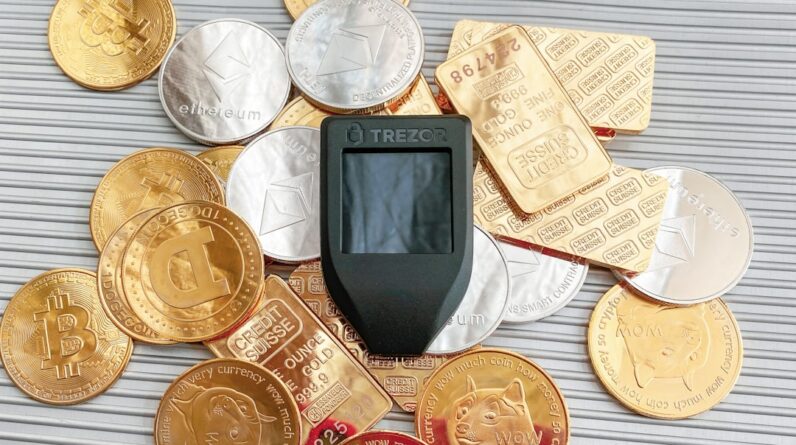
Cryptocurrency wallet apps are digital tools that allow you to store, send, and receive cryptocurrencies. Unlike traditional wallets that hold physical cash, these apps manage your digital assets through cryptographic keys. When you engage in cryptocurrency transactions, you rely on these keys to access your funds and authorize transfers.
Essentially, a cryptocurrency wallet app acts as a bridge between you and the blockchain, the underlying technology that powers cryptocurrencies like Bitcoin, Ethereum, and many others. These apps come in various forms, catering to different user needs and preferences. Some are designed for everyday transactions, while others focus on long-term storage and security.
Regardless of their specific functions, all cryptocurrency wallet apps share the common goal of providing you with a user-friendly interface to manage your digital assets efficiently. As the popularity of cryptocurrencies continues to grow, understanding these wallet apps becomes increasingly important for anyone looking to navigate the world of digital currencies.
Key Takeaways
- Cryptocurrency wallet apps are digital tools that allow users to store, send, and receive cryptocurrencies.
- These apps work by generating and storing the user’s public and private keys, which are used to access and manage their cryptocurrency holdings.
- There are different types of cryptocurrency wallet apps, including hardware wallets, software wallets, and mobile wallets, each with their own unique features and security levels.
- Security features of cryptocurrency wallet apps include encryption, multi-factor authentication, and backup options to protect users’ funds from theft or loss.
- Some popular cryptocurrency wallet apps include Coinbase, Trust Wallet, and Ledger Nano S, each offering different features and supported cryptocurrencies.
How do Cryptocurrency Wallet Apps Work?
At the core of cryptocurrency wallet apps is the concept of public and private keys. When you create a wallet, the app generates a pair of keys: a public key that acts like your bank account number and a private key that functions like your password. You can share your public key with others to receive funds, but it’s crucial to keep your private key secure and confidential.
If someone gains access to your private key, they can control your assets without your permission. When you initiate a transaction using a cryptocurrency wallet app, the app uses your private key to sign the transaction digitally. This signature proves that you are the legitimate owner of the funds being transferred.
The transaction is then broadcasted to the blockchain network, where it is verified by miners or validators before being added to the blockchain ledger. This process ensures that all transactions are secure and immutable, providing you with peace of mind as you manage your digital assets.
Types of Cryptocurrency Wallet Apps

There are several types of cryptocurrency wallet apps available, each designed to meet different needs and preferences. The most common types include hot wallets, cold wallets, and hardware wallets. Hot wallets are connected to the internet and are ideal for everyday transactions due to their convenience.
They allow you to quickly send and receive cryptocurrencies but may be more vulnerable to hacking and other security threats. On the other hand, cold wallets are offline storage solutions that provide enhanced security for your digital assets. These wallets are not connected to the internet, making them less susceptible to cyberattacks.
Cold wallets are perfect for long-term storage of cryptocurrencies that you don’t plan to use frequently. Hardware wallets fall under this category as they store your private keys on a physical device, offering an extra layer of protection against online threats.
Security Features of Cryptocurrency Wallet Apps
Security is a paramount concern when it comes to cryptocurrency wallet apps. Given the decentralized nature of cryptocurrencies, once a transaction is made, it cannot be reversed. Therefore, ensuring the safety of your funds is crucial.
Many wallet apps incorporate advanced security features such as two-factor authentication (2FA), biometric login options like fingerprint or facial recognition, and encryption protocols to protect your data. Additionally, some wallet apps offer backup and recovery options that allow you to restore access to your funds in case you lose your device or forget your password. It’s essential to take advantage of these features and follow best practices for securing your wallet.
Regularly updating your app and using strong, unique passwords can significantly reduce the risk of unauthorized access to your cryptocurrency holdings.
Popular Cryptocurrency Wallet Apps
As the cryptocurrency market continues to expand, numerous wallet apps have gained popularity among users. Some of the most well-known options include Coinbase Wallet, Trust Wallet, and Exodus. Coinbase Wallet is particularly favored for its user-friendly interface and seamless integration with the Coinbase exchange, making it easy for beginners to buy and manage cryptocurrencies.
Trust Wallet is another popular choice due to its support for a wide range of cryptocurrencies and decentralized applications (dApps). It offers users complete control over their private keys and provides a secure environment for managing digital assets. Exodus stands out for its visually appealing design and built-in exchange feature, allowing you to swap cryptocurrencies directly within the app without needing an external exchange.
How to Choose the Right Cryptocurrency Wallet App

Selecting the right cryptocurrency wallet app can be a daunting task given the multitude of options available. To make an informed decision, consider factors such as security features, user experience, supported cryptocurrencies, and whether you prefer a hot or cold wallet solution. If you plan on making frequent transactions, a hot wallet may be more suitable for your needs due to its convenience.
Conversely, if you’re looking for long-term storage options for significant amounts of cryptocurrency, a cold wallet or hardware wallet might be more appropriate. Additionally, read user reviews and conduct thorough research on each app’s reputation within the cryptocurrency community. This will help you gauge its reliability and security track record before entrusting it with your digital assets.
Tips for Using Cryptocurrency Wallet Apps Safely
To ensure a safe experience while using cryptocurrency wallet apps, it’s essential to adopt best practices that minimize risks. First and foremost, always enable two-factor authentication (2FA) if available. This adds an extra layer of security by requiring a second form of verification in addition to your password when logging in.
Furthermore, be cautious about phishing attempts and only download wallet apps from official sources such as app stores or the developers’ websites. Avoid clicking on suspicious links or providing personal information unless you are certain of their legitimacy. Regularly back up your wallet data and store recovery phrases in a secure location away from prying eyes.
By following these tips, you can significantly enhance the security of your cryptocurrency holdings.
The Future of Cryptocurrency Wallet Apps
The future of cryptocurrency wallet apps looks promising as technology continues to evolve and more people embrace digital currencies. As blockchain technology matures, we can expect improvements in user experience, security features, and integration with other financial services. For instance, advancements in biometric authentication may lead to even more secure login methods that enhance user convenience while safeguarding assets.
Moreover, as decentralized finance (DeFi) gains traction, wallet apps will likely evolve to support a broader range of functionalities beyond simple transactions. This could include features like lending, staking, and yield farming directly within the app interface. As regulatory frameworks around cryptocurrencies become clearer, we may also see increased adoption among mainstream financial institutions, further legitimizing cryptocurrency wallet apps as essential tools for managing digital assets in an increasingly digital economy.
In conclusion, understanding cryptocurrency wallet apps is crucial for anyone looking to navigate the world of digital currencies effectively. By familiarizing yourself with how these apps work, their various types, security features, and popular options available in the market, you can make informed decisions about managing your digital assets safely and efficiently. As technology continues to advance and the cryptocurrency landscape evolves, staying informed will empower you to take full advantage of this exciting financial frontier.
FAQs
What is a cryptocurrency wallet app?
A cryptocurrency wallet app is a digital application that allows users to store, send, and receive various types of cryptocurrencies. It provides a secure way to manage and access a user’s cryptocurrency holdings.
How does a cryptocurrency wallet app work?
A cryptocurrency wallet app works by generating and storing a user’s public and private keys, which are used to send and receive cryptocurrencies on the blockchain. It also allows users to view their transaction history and current balance.
What are the different types of cryptocurrency wallet apps?
There are several types of cryptocurrency wallet apps, including software wallets, hardware wallets, and online wallets. Software wallets are apps that run on a user’s device, while hardware wallets are physical devices that store cryptocurrency offline. Online wallets are web-based services that store a user’s cryptocurrency keys on the internet.
Are cryptocurrency wallet apps secure?
Cryptocurrency wallet apps can be secure if used properly. It is important for users to choose a reputable wallet app with strong security features, such as two-factor authentication and encryption. Additionally, users should take precautions to protect their private keys and use secure passwords.
Can cryptocurrency wallet apps hold multiple types of cryptocurrencies?
Yes, many cryptocurrency wallet apps support multiple types of cryptocurrencies, allowing users to store and manage various digital assets in one place. However, it is important for users to check which cryptocurrencies are supported by a specific wallet app before using it.