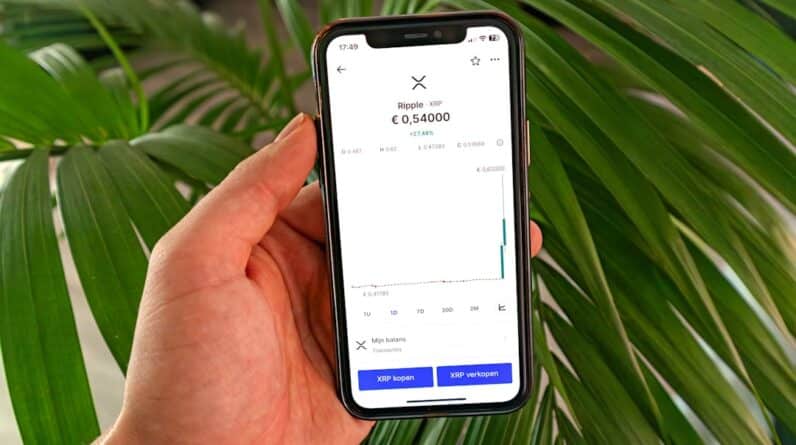
As you embark on your journey into the world of cryptocurrency investing, it’s essential to grasp the fundamental concepts that underpin this digital financial landscape. At its core, cryptocurrency is a form of digital or virtual currency that uses cryptography for security. Unlike traditional currencies issued by governments, cryptocurrencies operate on decentralized networks based on blockchain technology.
This means that transactions are recorded on a public ledger, making them transparent and secure. Understanding these basics will help you navigate the complexities of the market and make informed decisions. Investing in cryptocurrency can be both exciting and daunting.
The market is known for its volatility, with prices fluctuating dramatically within short periods. This volatility can present opportunities for significant gains, but it also carries the risk of substantial losses. As you delve deeper into cryptocurrency investing, familiarize yourself with key terms such as market capitalization, trading volume, and liquidity.
These concepts will provide you with a clearer picture of how different cryptocurrencies perform and how they might fit into your investment strategy.
Key Takeaways
- Cryptocurrency investing involves buying and holding digital assets with the potential for long-term growth.
- When choosing a cryptocurrency exchange, consider factors such as security, fees, available cryptocurrencies, and user interface.
- Setting up a secure wallet is essential for storing and managing your cryptocurrency investments.
- Research and select cryptocurrencies based on factors such as technology, team, market demand, and long-term potential.
- Understand the risks and benefits of cryptocurrency investing, including volatility, potential for high returns, and regulatory uncertainty.
Choosing the Right Cryptocurrency Exchange
Security Measures to Look Out For
You want to choose an exchange that aligns with your investment goals and provides a seamless trading experience. When evaluating exchanges, take the time to research their security measures. Look for platforms that implement two-factor authentication, cold storage for funds, and a solid track record of protecting user assets.
Fees and Charges: What to Expect
Additionally, consider the fee structure of each exchange. Some platforms charge trading fees, withdrawal fees, or deposit fees that can eat into your profits. By comparing these aspects across different exchanges, you can make an informed choice that suits your needs.
Making an Informed Decision
By carefully evaluating these factors, you can find an exchange that meets your investment goals and provides a secure and seamless trading experience.
Setting Up a Wallet for Storing Cryptocurrency

Once you’ve chosen an exchange and made your initial purchases, the next step is to set up a wallet for storing your cryptocurrency securely. A wallet is a digital tool that allows you to store, send, and receive cryptocurrencies. There are various types of wallets available, including hardware wallets, software wallets, and online wallets.
Each type has its own advantages and disadvantages, so it’s essential to understand which one best fits your needs. Hardware wallets are often considered the most secure option for storing cryptocurrencies. These physical devices store your private keys offline, making them less vulnerable to hacking attempts.
On the other hand, software wallets are more convenient for everyday transactions but may expose your assets to online threats. Online wallets are user-friendly and accessible from any device with internet access but come with higher risks. As you set up your wallet, prioritize security features and choose a wallet that offers a balance between convenience and protection.
Researching and Selecting the Right Cryptocurrencies to Invest In
With thousands of cryptocurrencies available in the market, researching and selecting the right ones to invest in can feel overwhelming. Start by identifying your investment goals—are you looking for long-term growth or short-term gains? Once you have clarity on your objectives, dive into researching individual cryptocurrencies.
Look for projects with strong fundamentals, such as a clear use case, an active development team, and a supportive community. Analyzing market trends and historical performance can also provide valuable insights into potential investments. Pay attention to factors like market capitalization and trading volume to gauge a cryptocurrency’s popularity and stability.
Additionally, consider diversifying your portfolio by investing in a mix of established coins like Bitcoin and Ethereum alongside promising altcoins. This strategy can help mitigate risks while maximizing potential returns.
Understanding the Risks and Benefits of Cryptocurrency Investing
As with any investment, understanding the risks and benefits associated with cryptocurrency investing is vital for making informed decisions. One of the most significant benefits is the potential for high returns. Many early investors in cryptocurrencies have seen their investments multiply exponentially as the market has grown.
Additionally, cryptocurrencies offer unique advantages such as decentralization, transparency, and accessibility to global markets. However, it’s essential to acknowledge the inherent risks involved in this volatile market. Prices can swing dramatically based on market sentiment, regulatory news, or technological developments.
Furthermore, the lack of regulation in many jurisdictions can expose investors to scams or fraudulent projects. By being aware of these risks and benefits, you can develop a balanced approach to investing that aligns with your risk tolerance.
Strategies for Buying and Selling Cryptocurrency

Developing effective strategies for buying and selling cryptocurrency is crucial for maximizing your investment potential. One common approach is dollar-cost averaging (DCA), where you invest a fixed amount of money at regular intervals regardless of price fluctuations. This strategy helps mitigate the impact of volatility by spreading out your purchases over time.
Another strategy is to set clear entry and exit points based on your research and market analysis. Determine in advance at what price you will buy or sell a particular cryptocurrency to avoid emotional decision-making during market swings. Additionally, consider using stop-loss orders to protect your investments from significant downturns.
By implementing these strategies, you can navigate the market more effectively and make informed trading decisions.
Tips for Securing and Protecting Your Cryptocurrency Investments
Securing your cryptocurrency investments should be a top priority as you navigate this digital landscape. Start by using strong passwords for your exchange accounts and wallets, incorporating a mix of letters, numbers, and special characters. Enabling two-factor authentication adds an extra layer of security by requiring a second form of verification when accessing your accounts.
Regularly updating your software wallets and keeping your hardware wallets in secure locations are also essential practices. Be cautious about sharing personal information online or engaging with unknown sources that may attempt to scam you. Educating yourself about common scams and phishing attempts can further protect your investments from potential threats.
Resources for Further Learning and Support in Cryptocurrency Investing
As you continue your journey into cryptocurrency investing, leveraging resources for further learning and support can enhance your understanding of this dynamic market. Numerous online platforms offer educational content ranging from articles and videos to webinars and forums where you can engage with other investors. Consider following reputable cryptocurrency news websites to stay updated on market trends and developments.
Joining online communities or social media groups focused on cryptocurrency can also provide valuable insights from experienced investors. By actively seeking out educational resources and engaging with others in the space, you can build a solid foundation for successful cryptocurrency investing. In conclusion, navigating the world of cryptocurrency investing requires a blend of knowledge, strategy, and caution.
By understanding the basics, choosing the right exchange, securing your assets, and continuously educating yourself, you can position yourself for success in this exciting financial frontier. Remember that while opportunities abound in cryptocurrency investing, so do risks; staying informed will empower you to make sound investment decisions as you explore this innovative landscape.