
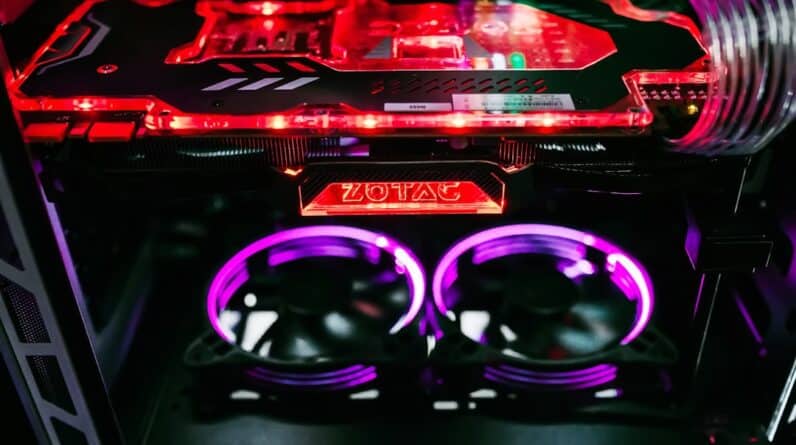
Crypto Currency Mining Rig
A cryptocurrency mining rig is a specialized computer system designed to solve complex mathematical problems that validate transactions on a blockchain network.
By doing so, these rigs help maintain the integrity of the cryptocurrency ecosystem while also earning rewards in the form of digital currency. Essentially, mining is the process through which new coins are created and transactions are confirmed, making mining rigs a crucial component of the cryptocurrency landscape.
When you think of a mining rig, envision a powerful machine that operates continuously, often in a dedicated space. Unlike standard computers, these rigs are optimized for performance and efficiency, utilizing high-end graphics processing units (GPUs) or application-specific integrated circuits (ASICs) to maximize their hashing power.
As the cryptocurrency market has evolved, so too have mining rigs, becoming more sophisticated and capable of handling the increasing difficulty levels associated with mining popular cryptocurrencies, such as Bitcoin and Ethereum.
Key Takeaways
- A cryptocurrency mining rig is a specialized computer system used to mine for various types of digital currencies.
- Components needed for a mining rig include a powerful graphics processing unit (GPU), a motherboard, a power supply unit (PSU), memory (RAM), a cooling system, and mining software.
- Setting up a mining rig involves assembling the hardware components, installing the necessary software, and configuring the system for optimal mining performance.
- Choosing the right cryptocurrency to mine involves considering factors such as market demand, mining difficulty, and potential profitability.
- Managing and maintaining a mining rig requires regular monitoring, hardware maintenance, and staying updated with the latest mining trends and technologies.
Components Needed for a Mining Rig
To build an effective mining rig, you need several key components that work together to ensure optimal performance. The heart of your rig will be the graphics processing unit (GPU) or ASIC miner, which is responsible for performing the calculations necessary for mining. If you opt for a GPU-based rig, consider including multiple GPUs to increase your hashing power.
Each GPU can significantly contribute to your mining efforts, so selecting high-performance models is crucial. In addition to the GPU or ASIC, you will need a motherboard that can support multiple GPUs if you choose that route. A compatible power supply unit (PSU) is also crucial, as mining rigs consume a considerable amount of electricity.
Ensure that your PSU can handle the total wattage required by all components. Furthermore, adequate cooling solutions, such as fans or liquid cooling systems, are necessary to prevent overheating during prolonged operation. Lastly, don’t forget about storage; a solid-state drive (SSD) or hard disk drive (HDD) will be needed to store your operating system and mining software.
Setting Up a Mining Rig
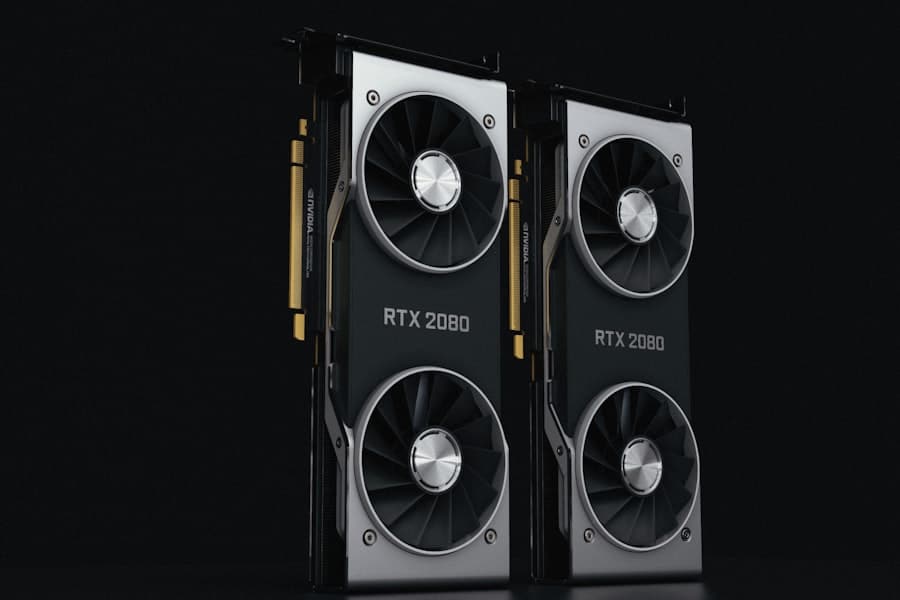
Once you have gathered all the necessary components, it’s time to set up your mining rig. Start by assembling the hardware in a well-ventilated area to ensure proper airflow and cooling. Begin by installing the motherboard in a suitable frame or case, then attach the GPU(s) and connect them to the motherboard.
Ensure that all components are securely fastened to prevent disconnections during operation. After assembling the hardware, you will need to install an operating system. Many miners prefer using Linux-based systems due to their stability and efficiency, but Windows can also be used if you are more comfortable with it.
Once the OS is installed, you will need to download and configure mining software that is compatible with your chosen cryptocurrency. This software will connect your rig to the blockchain network, allowing it to start mining. Finally, ensure that your internet connection is stable and reliable, as any interruptions can affect your mining performance.
Choosing the Right Cryptocurrency to Mine
Selecting the right cryptocurrency to mine is a critical decision that can significantly impact your profitability. While Bitcoin remains the most well-known and widely mined cryptocurrency, its increasing difficulty level and high competition may make it less appealing for individual miners. Instead, you might consider alternative cryptocurrencies with lower difficulty levels or those that are less saturated with miners.
Researching various cryptocurrencies is crucial before making a decision. Look for coins that have strong communities, active development teams, and promising use cases. Additionally, consider factors such as market trends and potential future value.
Some miners opt for coins that can be mined using GPUs rather than ASICs, as this can provide more flexibility and lower initial investment costs. Ultimately, your choice should align with your goals and risk tolerance.
Managing and Maintaining a Mining Rig
Once your mining rig is up and running, effective management and maintenance become paramount for long-term success. Regular monitoring of your rig’s performance is essential to ensure it operates efficiently. You should monitor key metrics, including hash rate, temperature, and power consumption.
Many miners utilize software tools that provide real-time data on these parameters, enabling quick adjustments as needed. Maintenance also involves keeping your rig clean and free from dust. Dust accumulation can lead to overheating and a reduction in performance over time.
Periodically check and clean fans and other components to ensure optimal airflow. Additionally, staying up to date on software updates for both your operating system and mining software can help improve performance and security. By taking these steps, you can prolong the lifespan of your mining rig and maximize its profitability.
Calculating the Profitability of a Mining Rig
Understanding the profitability of your mining rig is crucial for determining whether your investment is worthwhile. To calculate profitability, you need to consider several factors: the cost of electricity, hardware expenses, mining pool fees (if applicable), and the current market value of the cryptocurrency you are mining. Start by estimating your rig’s hash rate—the speed at which it can solve cryptographic puzzles—and compare it against the network difficulty of the cryptocurrency you are mining.
This will give you an idea of how much cryptocurrency you can expect to earn over a specific period. Next, factor in your electricity costs by calculating how much power your rig consumes and multiplying it by your local electricity rate. Subtracting these costs from your earnings will provide a clearer picture of your net profit.
Risks and Challenges of Mining Cryptocurrency
While cryptocurrency mining can be lucrative, it is not without its risks and challenges. One significant risk is market volatility; the value of cryptocurrencies can fluctuate dramatically within short periods, impacting your potential profits. If the price of the coin you are mining drops significantly, it may no longer be profitable to continue mining.
Additionally, there are technical challenges associated with maintaining a mining rig. Hardware failures can occur unexpectedly, resulting in downtime and lost revenue. Moreover, regulatory changes in different regions can affect the legality and profitability of mining operations.
Staying informed about local regulations and market trends is essential for navigating these challenges effectively.
Future of Crypto Currency Mining Rigs
The future of cryptocurrency mining rigs is likely to evolve as technology advances and market dynamics shift. One trend that has emerged is the growing focus on energy efficiency, driven by increasing concerns about environmental impact. As more miners seek sustainable practices, innovations in hardware design may lead to more energy-efficient rigs that consume less power while maintaining high performance.
Furthermore, as cryptocurrencies continue to gain mainstream acceptance, new opportunities may arise for miners in various sectors beyond traditional currencies. For instance, decentralized finance (DeFi) platforms and non-fungible tokens (NFTs) could create new avenues for miners to explore. As you look ahead in this rapidly changing landscape, staying adaptable and informed will be key to thriving in the world of cryptocurrency mining.
Understanding what a cryptocurrency mining rig is and how it operates is essential for anyone interested in entering this field. By carefully selecting components, setting up your rig properly, managing its performance effectively, and staying informed about market trends and risks, you can navigate this exciting yet challenging landscape successfully. The future holds promise for those willing to adapt and innovate within this dynamic environment.
FAQs
What is a cryptocurrency mining rig?
A cryptocurrency mining rig is a specialized computer system designed to mine for cryptocurrencies such as Bitcoin, Ethereum, or Litecoin. It consists of multiple high-performance graphics processing units (GPUs) or application-specific integrated circuits (ASICs) to solve complex mathematical algorithms and validate transactions on the blockchain network.
How does a cryptocurrency mining rig work?
A cryptocurrency mining rig operates by utilizing its processing power to solve complex mathematical problems, which are crucial for validating and securing transactions on the blockchain network. Miners are rewarded with newly created coins for their efforts in solving these algorithms.
What are the components of a cryptocurrency mining rig?
The main components of a cryptocurrency mining rig include a motherboard, a central processing unit (CPU), multiple GPUs or ASICs, a power supply unit (PSU), a cooling system, and mining software. These components work together to efficiently mine cryptocurrencies.
Is cryptocurrency mining profitable?
The profitability of cryptocurrency mining depends on several factors, including the cost of electricity, the price of the cryptocurrency being mined, the efficiency of the mining hardware, and the overall network difficulty. It is essential to consider these factors before investing in a mining rig.
What are the risks of cryptocurrency mining?
The risks of cryptocurrency mining include the volatility of cryptocurrency prices, the high energy consumption of mining rigs, the potential for hardware failure, and the regulatory uncertainty surrounding cryptocurrencies in some jurisdictions. It is essential for miners to carefully assess these risks before getting involved in mining.
RELATED TOPICS ABOUT Crypto Currency Mining Rig:
Cryptocurrency Mining Rig
Crypto Mining Rig Setup
Best Crypto Mining Rig
Bitcoin Mining Rig
Ethereum Mining Rig
Gpu Mining Rig for Crypto
Build Your Own Crypto Mining Rig
Prebuilt Crypto Mining Rigs
Crypto Mining Rig for Sale
Mining Rig Hardware for Cryptocurrency
How to Build a Cryptocurrency Mining Rig
Most Profitable Crypto Mining Rig 2025
Cheap Crypto Mining Rig Setup
Crypto Mining Rig Power Consumption
Diy Bitcoin Mining Rig
Best Gpu for Crypto Mining Rigs
Crypto Mining Rig Components List
Cryptocurrency Mining Rig Configuration
Multi-coin Mining Rig Setup
Home Mining Rig for Cryptocurrency
Start Mining Crypto with a Custom Rig
Build Vs Buy a Crypto Mining Rig
Optimize Your Crypto Mining Rig for Profit
Beginner Guide to Mining Rigs
What You Need for a Successful Crypto Mining Setup
==========
Content 10/10/G


