As you delve into the world of digital assets, you may find yourself captivated by the concept of Non-Fungible Tokens (NFTs). These unique digital tokens have revolutionized the way we perceive ownership and value in the digital realm. Unlike cryptocurrencies such as Bitcoin or Ethereum, which are fungible and can be exchanged for one another, NFTs represent distinct items or pieces of content, making them one-of-a-kind.
This uniqueness has led to a surge in interest from artists, collectors, and investors alike, all eager to explore the potential of this innovative technology. Crypto marketplaces serve as the platforms where these NFTs are bought, sold, and traded. They have emerged as vibrant ecosystems that facilitate the exchange of digital art, music, virtual real estate, and even tweets.
As you navigate through these marketplaces, you will encounter a diverse array of offerings, each with its own story and value proposition. The allure of NFTs lies not only in their novelty but also in the opportunities they present for creators and collectors to engage in a new form of commerce that transcends traditional boundaries.
Key Takeaways
- NFTs are unique digital assets that are bought and sold on crypto marketplaces using cryptocurrency.
- Creating and minting NFTs involves using specialized platforms and marketplaces to upload and tokenize digital content.
- Buying and selling NFTs on crypto marketplaces requires a digital wallet and the ability to navigate different platforms and market dynamics.
- NFT wallets are used to store and manage NFTs, and transactions are recorded on the blockchain for transparency and security.
- Blockchain technology plays a crucial role in NFT marketplaces by providing a decentralized and secure platform for trading digital assets.
Creating and Minting NFTs
If you’re considering entering the NFT space, understanding how to create and mint your own tokens is essential. The process begins with selecting a digital asset that you wish to tokenize. This could be anything from a piece of artwork to a music track or even a video clip.
Once you have your asset ready, you’ll need to choose a blockchain platform that supports NFTs, with Ethereum being the most popular choice due to its robust infrastructure and widespread adoption. Minting an NFT involves converting your digital asset into a token on the blockchain. This process typically requires you to use a specific NFT marketplace that provides minting services.
You will upload your asset, fill in details such as title, description, and any additional attributes you want to include. After confirming your choices, you will pay a gas fee—essentially a transaction fee—to complete the minting process. Once minted, your NFT is stored on the blockchain, ensuring its authenticity and ownership.
Buying and Selling NFTs on Crypto Marketplaces
Navigating the buying and selling process of NFTs can be both exciting and daunting. As you explore various crypto marketplaces, you’ll notice that each platform has its own unique features and user interface. Popular marketplaces like OpenSea, Rarible, and Foundation offer extensive catalogs of NFTs across different categories.
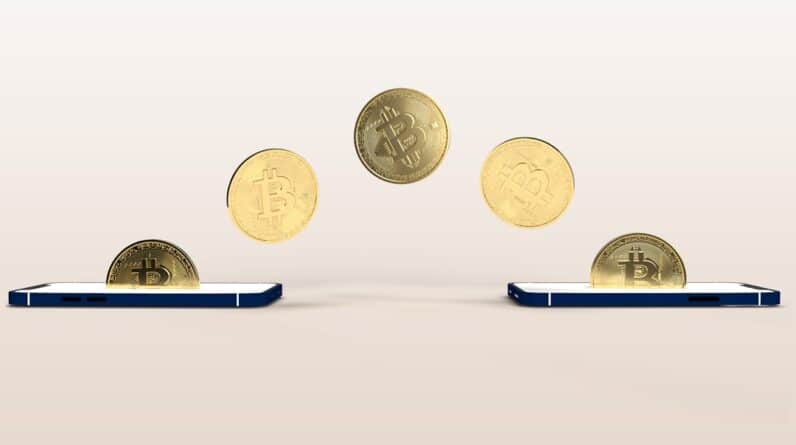
To purchase an NFT, you typically need to create an account on the marketplace and connect a digital wallet that holds cryptocurrency. When selling an NFT, you have the option to set a fixed price or auction it to the highest bidder. Auctions can create a sense of urgency and competition among buyers, potentially driving up the final sale price.
As you engage in transactions, it’s crucial to conduct thorough research on the NFTs you’re interested in. Look for details such as the creator’s reputation, previous sales history, and community engagement to make informed decisions that align with your investment goals.
Understanding NFT Wallets and Transactions
To effectively manage your NFTs, you’ll need a digital wallet that supports these tokens. NFT wallets are designed to store not only cryptocurrencies but also the unique tokens associated with your digital assets. Popular wallet options include MetaMask, Trust Wallet, and Coinbase Wallet.
When selecting a wallet, consider factors such as security features, user experience, and compatibility with various marketplaces. Transactions involving NFTs are recorded on the blockchain, providing transparency and security for both buyers and sellers. When you purchase an NFT, the transaction is verified by network nodes before being added to the blockchain ledger.
This decentralized nature of transactions ensures that ownership is indisputable and traceable. As you engage in buying or selling NFTs, it’s essential to keep track of your wallet’s private keys and recovery phrases to safeguard your assets against potential loss or theft.
The Role of Blockchain in NFT Marketplaces
Blockchain technology serves as the backbone of NFT marketplaces, providing a decentralized framework that ensures transparency and security for all transactions. Each NFT is linked to a unique identifier on the blockchain, which verifies its authenticity and ownership history. This eliminates concerns about counterfeiting or fraud that can plague traditional art markets.
Moreover, blockchain technology enables creators to embed royalties within their NFTs. This means that whenever an NFT is resold in the future, the original creator can receive a percentage of the sale price automatically. This feature not only incentivizes artists but also fosters a more sustainable ecosystem where creators can continue to benefit from their work long after its initial sale.
NFT Marketplaces and Smart Contracts

Smart contracts play a pivotal role in facilitating transactions within NFT marketplaces. These self-executing contracts are programmed with specific conditions that must be met for a transaction to occur. For instance, when you purchase an NFT, a smart contract automatically transfers ownership from the seller to you once payment is confirmed.
The use of smart contracts streamlines the buying and selling process by eliminating intermediaries and reducing transaction times. Additionally, they enhance security by ensuring that all parties adhere to agreed-upon terms without the need for manual oversight. As you engage with NFT marketplaces, understanding how smart contracts function will empower you to navigate transactions more confidently.
Security and Authentication in NFT Marketplaces
As with any digital asset market, security is paramount in NFT marketplaces. The decentralized nature of blockchain technology inherently provides a level of security; however, users must also take proactive measures to protect their assets. This includes using strong passwords for wallets, enabling two-factor authentication where available, and being cautious about sharing sensitive information.
Authentication processes within NFT marketplaces often involve verifying the identity of creators before allowing them to mint or sell NFTs. This helps maintain trust within the community by ensuring that buyers are purchasing genuine works from legitimate artists. As you explore different marketplaces, look for platforms that prioritize security measures and have established reputations within the industry.
The Future of NFT Marketplaces and Cryptocurrency
Looking ahead, the future of NFT marketplaces appears promising as they continue to evolve alongside advancements in technology and shifts in consumer behavior. The integration of augmented reality (AR) and virtual reality (VR) into NFT experiences could redefine how users interact with digital assets. Imagine attending virtual galleries or concerts where you can purchase exclusive NFTs directly from artists in real-time.
Furthermore, as cryptocurrency adoption grows globally, more individuals will likely enter the NFT space as both creators and collectors. This influx could lead to increased competition among marketplaces, driving innovation and improving user experiences across platforms. As you consider your journey into this dynamic landscape, staying informed about trends and developments will be key to navigating the ever-changing world of NFTs and cryptocurrency effectively.
In conclusion, engaging with NFTs and crypto marketplaces offers an exciting opportunity for creativity and investment in the digital age. By understanding how to create, buy, sell, and secure these unique tokens, you can position yourself at the forefront of this transformative movement. As technology continues to advance and reshape our understanding of ownership and value, embracing this new frontier could lead to rewarding experiences both personally and financially.
FAQs
What is a crypto NFT marketplace?
A crypto NFT marketplace is a platform where users can buy, sell, and trade non-fungible tokens (NFTs) using cryptocurrency. NFTs are unique digital assets that are stored on a blockchain and can represent ownership of digital or physical items such as art, music, videos, and more.
How do crypto NFT marketplaces work?
Crypto NFT marketplaces work by allowing users to create, list, and purchase NFTs using cryptocurrency. Users can browse through various NFT collections, place bids on NFTs, and complete transactions using their digital wallets. The marketplace facilitates the transfer of ownership and ensures the authenticity and uniqueness of each NFT through blockchain technology.
What are the popular crypto NFT marketplaces?
Some popular crypto NFT marketplaces include OpenSea, Rarible, Foundation, and NBA Top Shot. These platforms provide a wide range of NFT collections and support various types of digital assets, attracting both creators and collectors from around the world.
How are NFTs bought and sold on crypto NFT marketplaces?
NFTs are bought and sold on crypto NFT marketplaces through a process similar to traditional e-commerce. Sellers list their NFTs for sale, and buyers can browse, place bids, or purchase NFTs directly. Once a transaction is completed, the ownership of the NFT is transferred to the buyer, and the seller receives the payment in cryptocurrency.
What is the role of cryptocurrency in crypto NFT marketplaces?
Cryptocurrency plays a crucial role in crypto NFT marketplaces as it is used for buying, selling, and trading NFTs. Users need to have a digital wallet with cryptocurrency to participate in transactions on these platforms. The use of cryptocurrency enables global access, fast transactions, and secure payments within the marketplace.