In the world of finance, market speculation plays a pivotal role in shaping the dynamics of various assets, including cryptocurrencies, stocks, and commodities. As an investor, you may find yourself drawn into the whirlwind of speculation, where the potential for high returns can be both enticing and perilous. Speculation often involves predicting future price movements based on trends, news, and market sentiment rather than intrinsic value.
This can lead to rapid price fluctuations, creating opportunities for profit but also increasing the risk of significant losses. You might notice that market speculation is particularly pronounced in volatile markets, such as those for cryptocurrencies. The allure of quick gains can lead to a frenzy of buying and selling, often driven by social media trends or influential figures.
As you navigate this landscape, it’s essential to remain aware of the psychological factors at play. Fear of missing out (FOMO) can drive you to make impulsive decisions, while fear of loss can lead to panic selling. Understanding these emotional triggers can help you make more informed choices and mitigate the risks associated with speculative trading.
Key Takeaways
- Market speculation can lead to volatile price movements and increased risk for investors.
- Regulatory changes can have a significant impact on the cryptocurrency market, affecting investor confidence and market stability.
- Supply and demand dynamics play a crucial role in determining the value of cryptocurrencies.
- Security concerns, such as hacking and fraud, pose a major threat to the cryptocurrency market and investor trust.
- The lack of stability mechanisms in the cryptocurrency market can result in unpredictable price fluctuations and increased risk for investors.
Regulatory Changes
Regulatory changes can have a profound impact on financial markets, influencing everything from investor confidence to market accessibility. As you engage with various investment opportunities, it’s crucial to stay informed about the evolving regulatory landscape. Governments and regulatory bodies worldwide are increasingly scrutinizing financial markets to protect investors and ensure fair practices.
This scrutiny can lead to new regulations that either bolster market stability or create barriers to entry for certain assets. For instance, if you’re interested in cryptocurrencies, recent regulatory developments may affect your investment strategy. Some countries have embraced digital currencies, creating frameworks that promote innovation and security.
Conversely, others have imposed strict regulations that could stifle growth and limit your options. By keeping abreast of these changes, you can better position yourself to adapt your investment approach and capitalize on emerging opportunities while avoiding potential pitfalls.
Supply and Demand
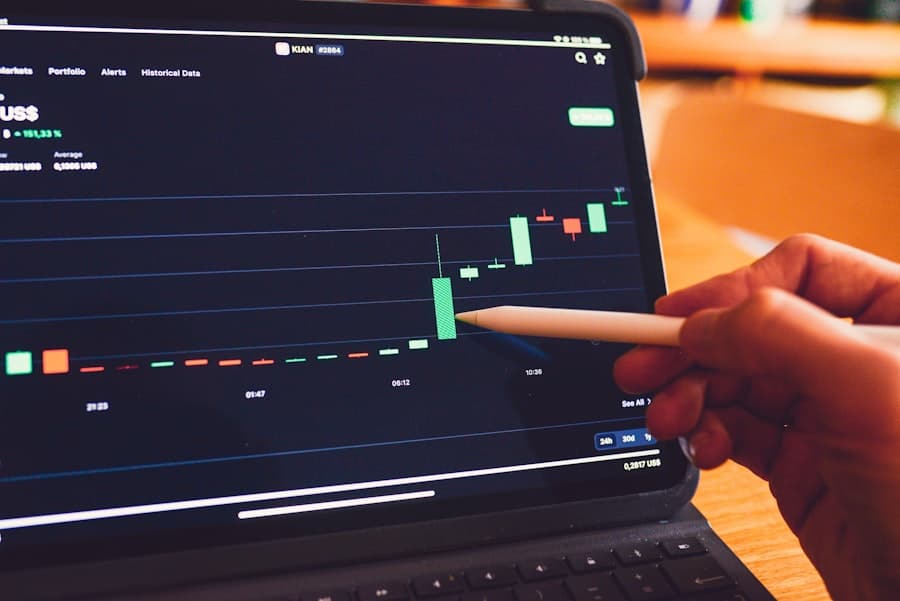
The fundamental economic principle of supply and demand is a driving force behind price movements in any market. As an investor, understanding how these forces interact can provide valuable insights into potential price trends. When demand for an asset exceeds its supply, prices tend to rise; conversely, when supply outstrips demand, prices typically fall.
This dynamic is particularly evident in markets characterized by limited resources or unique offerings. In the context of cryptocurrencies, for example, the supply is often capped by design—Bitcoin has a maximum supply of 21 million coins. As more people become interested in digital currencies, the demand for Bitcoin may increase, driving up its price.
However, if new technologies emerge or alternative cryptocurrencies gain traction, the demand for Bitcoin could diminish, leading to price declines. By analyzing supply and demand factors, you can make more informed decisions about when to enter or exit a position in various markets.
Security Concerns
Security concerns are paramount in today’s digital age, especially as you engage with online trading platforms and cryptocurrencies. The rise of cybercrime has made it essential for investors to prioritize security measures to protect their assets. You may have heard stories of exchanges being hacked or wallets being compromised, resulting in significant financial losses for unsuspecting investors.
These incidents highlight the importance of due diligence when selecting platforms and safeguarding your investments. To mitigate security risks, consider implementing best practices such as using two-factor authentication, keeping your software updated, and storing your assets in secure wallets rather than on exchanges. Additionally, staying informed about the latest security threats can help you recognize potential vulnerabilities in your investment strategy.
By taking proactive steps to enhance your security posture, you can navigate the financial landscape with greater confidence and peace of mind.
Lack of Stability Mechanisms
The absence of stability mechanisms in certain markets can lead to heightened volatility and uncertainty. As an investor, you may find yourself grappling with the unpredictable nature of assets that lack established frameworks for price stabilization. In traditional markets, mechanisms such as circuit breakers or market makers help mitigate extreme fluctuations by providing liquidity and preventing panic selling.
However, in emerging markets like cryptocurrencies, these stabilizing forces are often absent. This lack of stability can create challenges for you as an investor. You might experience rapid price swings that can be disconcerting and lead to impulsive decision-making.
Understanding the factors contributing to this volatility—such as speculative trading or external market influences—can help you develop a more resilient investment strategy. By recognizing that volatility is inherent in certain markets, you can better prepare yourself for the ups and downs that come with investing in these assets.
Market Manipulation
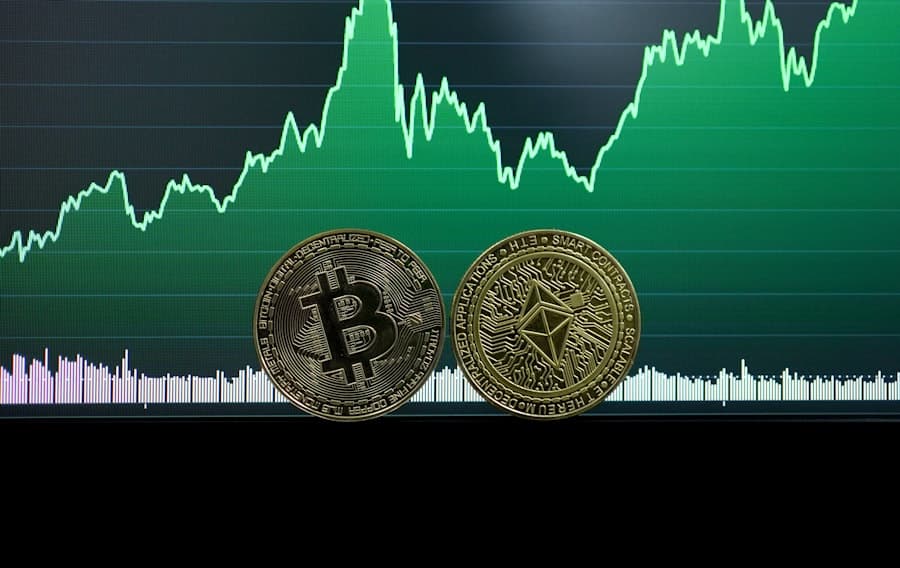
Common Tactics of Market Manipulation
These tactics can include pump-and-dump schemes, where individuals artificially inflate the price of an asset before selling off their holdings at a profit, leaving other investors with losses.
Protecting Yourself from Market Manipulation
To protect yourself from falling victim to market manipulation, it’s crucial to conduct thorough research before making investment decisions. Look for signs of unusual trading activity or sudden price spikes that may indicate manipulation. Additionally, consider diversifying your portfolio to reduce exposure to any single asset that may be susceptible to such tactics.
Safeguarding Your Investments and the Market
By remaining vigilant and informed about potential manipulation schemes, you can safeguard your investments and contribute to a healthier market environment.
Technological Advancements
Technological advancements are reshaping the financial landscape at an unprecedented pace. As an investor, embracing these innovations can provide you with new opportunities and tools to enhance your investment strategy. From algorithmic trading platforms to blockchain technology, advancements are revolutionizing how assets are traded and managed.
Staying abreast of these developments can give you a competitive edge in navigating the complexities of modern markets. For instance, the rise of decentralized finance (DeFi) has opened up new avenues for earning interest on your investments or accessing liquidity without traditional intermediaries. By exploring these technological innovations, you can diversify your portfolio and potentially increase your returns.
However, it’s essential to approach new technologies with caution; understanding their underlying mechanics and associated risks is crucial before diving in.
Economic and Political Factors
Economic and political factors play a significant role in shaping market conditions and influencing investor behavior. As you engage with various investment opportunities, it’s vital to consider how macroeconomic trends—such as inflation rates, interest rates, and geopolitical events—can impact asset prices. For example, rising inflation may prompt central banks to adjust interest rates, which can affect stock prices and bond yields.
Political stability is another critical factor that can influence market sentiment. Uncertainty surrounding elections or government policies can lead to increased volatility as investors react to potential changes in the economic landscape. By staying informed about these economic and political developments, you can make more strategic investment decisions that align with prevailing market conditions.
Understanding the broader context in which you’re investing will empower you to navigate challenges and seize opportunities as they arise. In conclusion, navigating the complexities of financial markets requires a multifaceted approach that considers various factors influencing asset prices. From market speculation and regulatory changes to supply and demand dynamics and security concerns, each element plays a crucial role in shaping your investment journey.
By staying informed and adopting best practices, you can enhance your decision-making process and work towards achieving your financial goals amidst an ever-evolving landscape.
FAQs
What is digital currency volatility?
Digital currency volatility refers to the rapid and significant price fluctuations that occur in the value of digital currencies such as Bitcoin, Ethereum, and others. These price fluctuations can be both positive and negative, and can occur over short periods of time.
What factors contribute to the volatility of digital currency?
Several factors contribute to the volatility of digital currency, including market demand and supply, regulatory developments, technological advancements, investor sentiment, and macroeconomic factors. Additionally, the relatively small market size and lack of regulation can also contribute to the volatility of digital currency.
How does market demand and supply affect digital currency volatility?
Market demand and supply play a significant role in the volatility of digital currency. When there is high demand for a particular digital currency and limited supply, the price tends to increase rapidly, leading to volatility. Conversely, when there is low demand and excess supply, the price can decrease rapidly, also contributing to volatility.
What role do regulatory developments play in digital currency volatility?
Regulatory developments, such as government announcements regarding the legality and regulation of digital currencies, can have a significant impact on their volatility. Uncertainty surrounding regulatory changes can lead to rapid price fluctuations as investors react to the potential impact on the market.
How do technological advancements contribute to digital currency volatility?
Technological advancements, such as improvements in blockchain technology or the development of new digital currencies, can also contribute to volatility. Positive developments may lead to increased investor interest and price appreciation, while negative developments can lead to rapid price declines.
What impact does investor sentiment have on digital currency volatility?
Investor sentiment, or the overall attitude of investors towards a particular digital currency, can greatly influence its volatility. Positive sentiment can lead to increased demand and price appreciation, while negative sentiment can lead to rapid price declines.
How do macroeconomic factors contribute to digital currency volatility?
Macro-economic factors, such as inflation, interest rates, and geopolitical events, can also impact the volatility of digital currency. These factors can influence investor behavior and market dynamics, leading to rapid and significant price fluctuations.