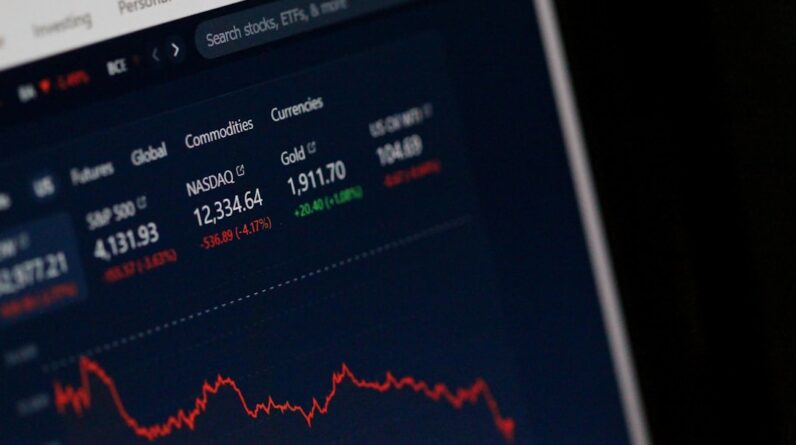
In recent years, the intersection of cryptocurrency and predictive analytics has emerged as a fascinating area of exploration. As you delve into the world of digital currencies, you may find that they are not just a means of exchange but also a powerful tool for data analysis and forecasting. Predictive analytics, on the other hand, involves using historical data to make informed predictions about future events.
By combining these two fields, you can unlock new possibilities for understanding market trends, consumer behavior, and even risk management. The rise of cryptocurrencies has brought about a paradigm shift in how data is collected and analyzed. With blockchain technology at its core, cryptocurrencies offer a decentralized and transparent way to store and share information.
This unique characteristic can enhance the quality of data used in predictive analytics, allowing for more accurate models and insights. As you explore this synergy, you will discover how crypto can revolutionize the way businesses and individuals approach decision-making processes.
Key Takeaways
- Crypto and predictive analytics are two rapidly evolving fields that have the potential to revolutionize various industries.
- The role of crypto in predictive analytics is to provide secure and transparent data storage and transaction capabilities, enabling more accurate and efficient predictive modeling.
- Advantages of using crypto in predictive analytics include enhanced data security, reduced transaction costs, and increased transparency, while challenges include regulatory uncertainty and scalability issues.
- Applications of crypto in predictive analytics range from financial forecasting and risk management to supply chain optimization and fraud detection.
- The future of predictive analytics with crypto holds promise for improved data accuracy, increased trust in predictive models, and greater efficiency in decision-making processes.
The Role of Crypto in Predictive Analytics
Cryptocurrencies play a pivotal role in predictive analytics by providing a rich source of real-time data. As you engage with various crypto markets, you will notice that they generate vast amounts of transactional data that can be analyzed to identify patterns and trends. This data can be harnessed to create predictive models that forecast price movements, trading volumes, and market sentiment.
By leveraging this information, you can make more informed investment decisions or develop strategies to mitigate risks. Moreover, the decentralized nature of cryptocurrencies allows for greater accessibility to data. Unlike traditional financial systems that may restrict access to certain datasets, blockchain technology enables anyone to view transaction histories and other relevant information.
This democratization of data can empower analysts and businesses alike to build more robust predictive models. As you immerse yourself in this landscape, you will appreciate how crypto can enhance the accuracy and reliability of predictive analytics.
Advantages and Challenges of Using Crypto in Predictive Analytics

One of the primary advantages of integrating crypto into predictive analytics is the potential for increased accuracy in forecasting. The transparency and immutability of blockchain data can lead to more reliable datasets, which are crucial for building effective predictive models. As you analyze historical trends in cryptocurrency markets, you may find that the data reflects real-time changes in consumer behavior and market dynamics, allowing for more precise predictions.
However, there are also challenges associated with using crypto in predictive analytics. The volatility of cryptocurrency prices can introduce significant noise into the data, making it difficult to discern meaningful patterns. Additionally, the rapid pace of technological advancements in the crypto space means that analysts must continuously adapt their models to account for new developments.
As you navigate these challenges, it becomes clear that while crypto offers exciting opportunities for predictive analytics, it also requires a nuanced understanding of the underlying complexities.
Applications of Crypto in Predictive Analytics
The applications of crypto in predictive analytics are vast and varied. In the financial sector, for instance, traders and investors utilize predictive models to forecast price movements and optimize their trading strategies. By analyzing historical price data alongside market sentiment indicators, you can gain insights into potential future trends and make more informed decisions.
Beyond finance, industries such as supply chain management are also beginning to leverage crypto for predictive analytics. By tracking goods on a blockchain, companies can gather real-time data on inventory levels and shipping times. This information can be analyzed to predict demand fluctuations and optimize inventory management processes.
As you explore these applications, you will see how crypto can enhance operational efficiency across various sectors.
The Future of Predictive Analytics with Crypto
Looking ahead, the future of predictive analytics with crypto appears promising. As blockchain technology continues to evolve, it is likely that new tools and methodologies will emerge to enhance data analysis capabilities. You may witness the development of advanced algorithms that can process vast amounts of blockchain data in real time, leading to even more accurate predictions.
Furthermore, as more industries adopt cryptocurrencies and blockchain solutions, the volume of available data will increase exponentially. This influx of information presents an opportunity for analysts to refine their predictive models and uncover deeper insights into consumer behavior and market trends. As you consider the future landscape, it becomes evident that the integration of crypto into predictive analytics will play a crucial role in shaping decision-making processes across various domains.
Security and Privacy Considerations in Crypto-Based Predictive Analytics

Decentralized Security Features and Remaining Vulnerabilities
While the benefits of using crypto in predictive analytics are significant, it is essential to address security and privacy concerns associated with this approach. The decentralized nature of blockchain technology offers inherent security features; however, vulnerabilities still exist.
Vigilance Against Potential Threats
As you engage with crypto-based predictive analytics, you must remain vigilant about potential threats such as hacking or data breaches that could compromise sensitive information.
Protecting Privacy in Blockchain Transactions
Moreover, privacy considerations are paramount when dealing with personal or financial data on a blockchain. Although transactions are pseudonymous, there is still a risk that individuals’ identities could be linked to their activities through advanced analytical techniques.
Implementing Robust Security Measures
As you navigate this landscape, it is crucial to implement robust security measures and adhere to best practices to protect both your data and that of your clients or customers.
Regulatory and Legal Implications of Crypto in Predictive Analytics
The regulatory landscape surrounding cryptocurrencies is continually evolving, which presents both opportunities and challenges for those involved in predictive analytics. As governments around the world grapple with how to regulate digital currencies, you may find that compliance requirements vary significantly from one jurisdiction to another. This inconsistency can complicate efforts to develop standardized predictive models that rely on crypto data.
Additionally, legal implications related to data ownership and usage rights must be considered when utilizing blockchain data for predictive analytics. As you engage with this field, it is essential to stay informed about regulatory developments and ensure that your practices align with legal requirements. By doing so, you can mitigate risks associated with non-compliance while maximizing the potential benefits of integrating crypto into your analytical processes.
The Potential Impact of Crypto on the Future of Predictive Analytics
In conclusion, the integration of cryptocurrency into predictive analytics holds immense potential for transforming how we analyze data and make decisions. As you explore this dynamic intersection, you will uncover new opportunities for enhancing accuracy, efficiency, and insights across various industries. While challenges such as volatility, security concerns, and regulatory complexities exist, they should not overshadow the exciting possibilities that lie ahead.
As technology continues to advance and more organizations embrace cryptocurrencies, the future of predictive analytics will undoubtedly be shaped by these developments. By staying informed and adaptable in this rapidly changing landscape, you can position yourself at the forefront of innovation in predictive analytics powered by crypto. The journey ahead promises to be both challenging and rewarding as you navigate this evolving field and harness its potential for impactful decision-making.
FAQs
What is predictive analytics?
Predictive analytics is the use of data, statistical algorithms, and machine learning techniques to identify the likelihood of future outcomes based on historical data.
How is crypto related to predictive analytics?
Crypto, or cryptocurrency, can be used as a source of data for predictive analytics. The blockchain technology behind cryptocurrencies provides a transparent and immutable record of transactions, which can be analyzed to make predictions about market trends and investor behavior.
What are the potential benefits of using crypto for predictive analytics?
Using crypto for predictive analytics can provide real-time and transparent data, which can lead to more accurate predictions in financial markets and other industries. It can also help in identifying patterns and trends that may not be visible in traditional data sources.
What are the challenges of using crypto for predictive analytics?
Challenges of using crypto for predictive analytics include the volatility of cryptocurrency markets, the complexity of blockchain technology, and the need for specialized skills and tools to analyze crypto data effectively.
How is the future of predictive analytics impacted by crypto?
The future of predictive analytics is likely to be impacted by the increasing availability of crypto data and the development of more sophisticated tools and techniques for analyzing this data. This could lead to more accurate and timely predictions in a wide range of industries.