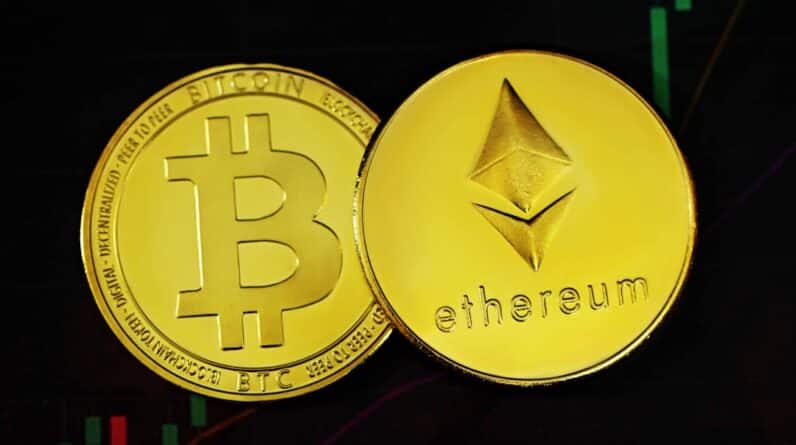
In the ever-evolving landscape of digital currencies, Bitcoin and Dogecoin stand out as two of the most recognized names. You may have heard of Bitcoin, often hailed as the pioneer of cryptocurrencies, which has revolutionized the way we think about money and transactions. Launched in 2009, Bitcoin introduced a decentralized form of currency that operates on blockchain technology, allowing for peer-to-peer transactions without the need for intermediaries.
On the other hand, Dogecoin, which started as a lighthearted meme in 2013, has grown into a legitimate cryptocurrency with a dedicated community. While Bitcoin is often viewed as a store of value akin to digital gold, Dogecoin has carved out its niche as a fun and accessible entry point into the world of cryptocurrencies. As you delve deeper into the world of these two digital currencies, you’ll discover that they embody different philosophies and serve distinct purposes.
Bitcoin is often seen as a serious investment vehicle, attracting institutional investors and individuals looking to hedge against inflation. In contrast, Dogecoin’s origins in internet culture and its community-driven approach make it more approachable for newcomers. Understanding the nuances between these two cryptocurrencies can help you navigate the complex world of digital assets and make informed decisions about your investments.
Key Takeaways
- Bitcoin and Dogecoin are two popular cryptocurrencies that have gained significant attention in the digital currency market.
- Bitcoin was created in 2009 by an unknown person or group of people using the name Satoshi Nakamoto, while Dogecoin was created in 2013 by software engineers Billy Markus and Jackson Palmer.
- Both Bitcoin and Dogecoin operate on blockchain technology, but Bitcoin is designed as a peer-to-peer electronic cash system, while Dogecoin was initially created as a joke or meme currency.
- Bitcoin has a significantly higher market value and price compared to Dogecoin, with Bitcoin being considered a more stable and established cryptocurrency.
- Both Bitcoin and Dogecoin have seen increasing adoption and acceptance in various industries, with more businesses and retailers starting to accept them as a form of payment.
History and Origins of Bitcoin and Dogecoin
The story of Bitcoin begins with an enigmatic figure known as Satoshi Nakamoto, who published a white paper in 2008 outlining the concept of a decentralized digital currency. You might find it fascinating that Nakamoto’s true identity remains a mystery to this day. The first Bitcoin block, known as the “genesis block,” was mined in January 2009, marking the birth of a new financial paradigm.
Over the years, Bitcoin has gained traction, evolving from a niche technology used by tech enthusiasts to a mainstream asset class embraced by investors worldwide. In stark contrast, Dogecoin was created as a joke by software engineers Billy Markus and Jackson Palmer in December 2013. Inspired by the popular “Doge” meme featuring a Shiba Inu dog, Dogecoin was intended to be a fun and lighthearted alternative to Bitcoin.
You may find it interesting that what started as a parody quickly gained traction, attracting a passionate community that embraced its playful spirit. Despite its origins as a meme, Dogecoin has demonstrated resilience and adaptability, evolving into a cryptocurrency with real-world applications and a dedicated following.
Technology and Functionality of Bitcoin and Dogecoin
When you examine the technology behind Bitcoin and Dogecoin, you’ll notice both similarities and differences that define their functionality. Bitcoin operates on a proof-of-work consensus mechanism, where miners solve complex mathematical problems to validate transactions and secure the network. This process requires significant computational power and energy consumption, which has led to concerns about its environmental impact.
However, Bitcoin’s robust security features and limited supply—capped at 21 million coins—contribute to its status as a store of value. Dogecoin, on the other hand, utilizes a similar proof-of-work mechanism but with some key differences. Its block time is significantly shorter than Bitcoin’s, allowing for faster transaction confirmations.
Additionally, Dogecoin has an unlimited supply, which means that new coins are continuously generated through mining. This characteristic makes Dogecoin more inflationary compared to Bitcoin, which can influence its long-term value proposition. As you explore these technological aspects, you’ll gain insight into how each cryptocurrency functions and the implications for their respective ecosystems.
Market Value and Price Differences Between Bitcoin and Dogecoin
The market value of Bitcoin and Dogecoin reflects their differing roles within the cryptocurrency ecosystem. As of your latest knowledge in October 2023, Bitcoin consistently holds the title of the largest cryptocurrency by market capitalization, often trading in the tens of thousands of dollars per coin. Its price is influenced by various factors, including institutional adoption, regulatory developments, and macroeconomic trends.
You may find it intriguing that Bitcoin’s price history has been marked by significant volatility, with dramatic price swings that can create both opportunities and risks for investors. In contrast, Dogecoin’s price is typically much lower than that of Bitcoin, often trading in cents rather than thousands of dollars. This lower price point makes Dogecoin more accessible to everyday investors who may be hesitant to invest large sums into Bitcoin.
However, it’s essential to recognize that Dogecoin’s price can also be highly volatile, often driven by social media trends and celebrity endorsements. As you analyze the price differences between these two cryptocurrencies, consider how their market dynamics reflect their unique identities and appeal to different types of investors.
Adoption and Acceptance of Bitcoin and Dogecoin
The adoption rates of Bitcoin and Dogecoin reveal much about their respective journeys in the cryptocurrency space. Bitcoin has gained significant traction among institutional investors, with companies like Tesla and MicroStrategy adding it to their balance sheets. You may have noticed that many businesses now accept Bitcoin as a form of payment, further legitimizing its role in the financial ecosystem.
Additionally, various financial products such as Bitcoin ETFs have emerged, making it easier for traditional investors to gain exposure to this digital asset. Dogecoin’s adoption story is quite different but equally compelling. While it may not have the same level of institutional backing as Bitcoin, Dogecoin has found its place in popular culture.
You might recall instances where celebrities like Elon Musk have publicly endorsed Dogecoin, leading to surges in its popularity and price. Furthermore, various online platforms and charities have embraced Dogecoin for tipping and fundraising purposes. This grassroots acceptance highlights how community engagement can drive adoption in ways that differ from traditional financial mechanisms.
Security and Risks Associated with Bitcoin and Dogecoin

When considering investments in cryptocurrencies like Bitcoin and Dogecoin, it’s crucial to understand the security measures in place as well as the risks involved. Bitcoin’s blockchain is renowned for its security features, making it one of the most secure networks in existence. The decentralized nature of its ledger means that no single entity controls it, reducing the risk of fraud or manipulation.
However, you should be aware that while the network itself is secure, individual users must take precautions to protect their wallets from hacking attempts or phishing scams. Dogecoin also benefits from blockchain security but is often perceived as less secure than Bitcoin due to its lower market capitalization and community-driven nature. The risks associated with investing in Dogecoin include potential volatility driven by social media trends or celebrity endorsements.
Additionally, because it lacks the same level of institutional support as Bitcoin, you may find that Dogecoin is more susceptible to market manipulation or sudden price swings. As you navigate these risks, it’s essential to conduct thorough research and consider your risk tolerance before investing in either cryptocurrency.
Community and Culture Surrounding Bitcoin and Dogecoin
The communities surrounding Bitcoin and Dogecoin play a significant role in shaping their identities and driving their growth. The Bitcoin community is often characterized by its focus on financial sovereignty and technological innovation. You may find that discussions within this community revolve around topics such as decentralization, privacy, and the future of money.
Many Bitcoin enthusiasts view themselves as part of a movement aimed at challenging traditional financial systems and promoting individual empowerment through digital currency. In contrast, the culture surrounding Dogecoin is more lighthearted and inclusive. The community embraces humor and creativity, often using memes to communicate ideas or celebrate milestones.
You might enjoy exploring how this playful spirit has fostered a sense of camaraderie among Dogecoin supporters. Fundraising initiatives for charitable causes have also become a hallmark of the Dogecoin community, showcasing its commitment to social good alongside its financial aspirations. As you engage with these communities, you’ll gain insight into how culture influences the development and perception of each cryptocurrency.
Future Outlook and Potential for Bitcoin and Dogecoin
Looking ahead, both Bitcoin and Dogecoin face unique challenges and opportunities that will shape their futures in the cryptocurrency landscape. For Bitcoin, continued institutional adoption could solidify its status as a digital gold alternative while driving further mainstream acceptance. However, regulatory scrutiny remains a concern that could impact its growth trajectory.
As you consider investing in Bitcoin, keep an eye on developments related to regulation and technological advancements that could enhance its scalability or security. Dogecoin’s future is equally intriguing but carries different dynamics. While it may not have the same level of institutional interest as Bitcoin, its strong community support could drive continued adoption among retail investors.
You might find it interesting that if Dogecoin can establish more use cases beyond being a meme currency—such as partnerships with businesses or integration into payment systems—it could enhance its long-term viability. As you contemplate your investment strategy in this rapidly changing environment, staying informed about market trends and community developments will be essential for navigating the future of both cryptocurrencies effectively. In conclusion, understanding the intricacies of Bitcoin and Dogecoin can empower you to make informed decisions in your cryptocurrency journey.
Each currency offers unique advantages and challenges that cater to different types of investors and users alike. Whether you’re drawn to Bitcoin’s serious investment potential or Dogecoin’s playful community spirit, both cryptocurrencies have carved out significant places in the digital economy that are worth exploring further.
FAQs
What is Bitcoin?
Bitcoin is a digital currency that was created in 2009 by an unknown person using the alias Satoshi Nakamoto. It is a decentralized form of currency, meaning it is not controlled by any government or financial institution.
What is Dogecoin?
Dogecoin is a cryptocurrency that was created in 2013 as a joke, based on the popular “Doge” meme. Despite its origins, Dogecoin has gained a significant following and is used for tipping and charitable donations.
What are the main differences between Bitcoin and Dogecoin?
The main differences between Bitcoin and Dogecoin lie in their origins, supply, and use cases. Bitcoin was created as a serious digital currency and has a limited supply of 21 million coins, while Dogecoin was created as a joke and has an unlimited supply. Additionally, Bitcoin is often used as a store of value and investment, while Dogecoin is used for tipping and charitable donations.
Which cryptocurrency has a higher market value, Bitcoin or Dogecoin?
As of the time of writing, Bitcoin has a significantly higher market value compared to Dogecoin. Bitcoin is often referred to as the “king” of cryptocurrencies due to its large market capitalization and widespread adoption.
Are Bitcoin and Dogecoin both decentralized?
Yes, both Bitcoin and Dogecoin are decentralized cryptocurrencies, meaning they are not controlled by any central authority. This decentralization is a key feature of cryptocurrencies and is one of the reasons they are popular among users.