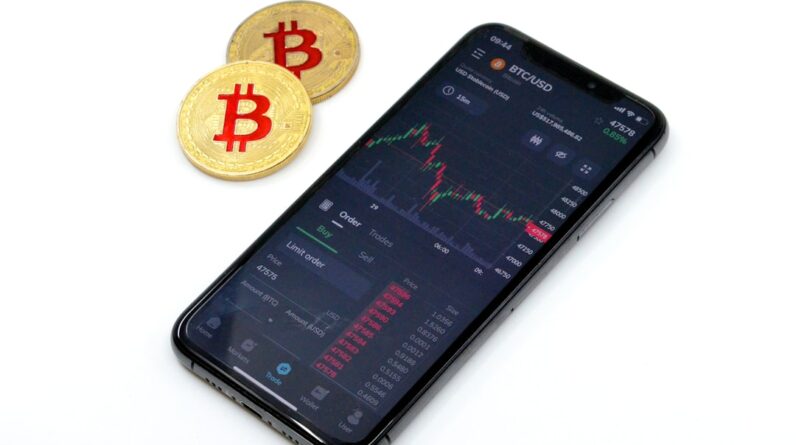
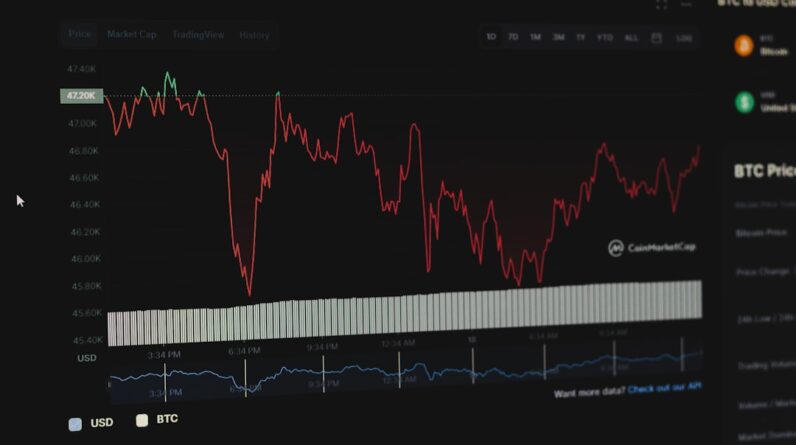
A cryptocurrency wallet is a digital tool that allows you to store, send, and receive cryptocurrencies. Unlike a traditional wallet that holds physical cash, a cryptocurrency wallet does not store the actual coins. Instead, it holds the private and public keys that are essential for managing your digital assets.
The public key acts like your bank account number, which you can share with others to receive funds, while the private key is akin to your password, granting you access to your cryptocurrency. Understanding how these keys work is crucial for anyone looking to engage in the world of digital currencies. When you initiate a transaction, your wallet uses your private key to sign it, ensuring that only you can authorize the transfer of your funds.
This process is secured by cryptography, making it nearly impossible for anyone to forge your signature or access your funds without your permission. The transaction is then broadcasted to the blockchain network, where it is verified by miners or validators before being added to the public ledger. This decentralized nature of cryptocurrency wallets ensures that you have full control over your assets, free from the constraints of traditional banking systems.
Key Takeaways
- A cryptocurrency wallet is a digital tool that allows users to store, send, and receive cryptocurrencies. It works by generating and storing public and private keys, which are used to sign and verify transactions on the blockchain.
- There are different types of cryptocurrency wallets, including hardware wallets, software wallets, and paper wallets. Each type offers different levels of security and convenience.
- Yes, you can invest in cryptocurrency without a wallet by using cryptocurrency exchanges, investment funds, and derivatives such as futures and options.
- Alternative ways to invest in cryptocurrency without a wallet include investing in cryptocurrency-related stocks, ETFs, and trusts, as well as using cryptocurrency ATMs and peer-to-peer trading platforms.
- Risks of investing in cryptocurrency without a wallet include security vulnerabilities, lack of control over private keys, and potential regulatory issues. Benefits include convenience, liquidity, and potential for diversification.
Different Types of Cryptocurrency Wallets
There are several types of cryptocurrency wallets available, each designed to cater to different needs and preferences. The most common types include hardware wallets, software wallets, and paper wallets. Hardware wallets are physical devices that store your private keys offline, providing a high level of security against online threats.
They are ideal for long-term investors who want to keep their assets safe from hacking attempts. If you prioritize security and plan to hold significant amounts of cryptocurrency, a hardware wallet may be the best option for you. On the other hand, software wallets are applications that can be installed on your computer or mobile device.
They come in two forms: hot wallets and cold wallets. Hot wallets are connected to the internet, making them more convenient for frequent transactions but also more vulnerable to cyberattacks. Cold wallets, however, are not connected to the internet and offer enhanced security for those who prefer to store their assets offline.
Paper wallets are another option, where you generate a pair of keys and print them on paper. While they are immune to online threats, they can be easily lost or damaged if not stored properly.
Can You Invest in Cryptocurrency Without a Wallet?

Investing in cryptocurrency without a wallet is indeed possible, although it comes with its own set of challenges and limitations. Some platforms allow you to buy and trade cryptocurrencies directly without requiring you to create a wallet. These platforms often hold the assets on your behalf, meaning you don’t have to manage the private keys yourself.
However, this convenience comes at a cost; you may not have full control over your assets, and you could be subject to the platform’s policies and potential risks. While it may seem appealing to bypass the need for a wallet, doing so can expose you to various risks. For instance, if the platform experiences a security breach or goes out of business, you could lose access to your funds.
Additionally, without a personal wallet, you may miss out on certain features like staking or participating in decentralized finance (DeFi) applications. Therefore, while investing without a wallet is feasible, it’s essential to weigh the pros and cons carefully before proceeding.
Alternative Ways to Invest in Cryptocurrency Without a Wallet
If you’re looking for alternative ways to invest in cryptocurrency without directly using a wallet, there are several options available. One popular method is through cryptocurrency exchanges that offer custodial services. These exchanges allow you to buy cryptocurrencies using fiat currency and hold them on their platform.
While this method simplifies the investment process, it’s crucial to choose reputable exchanges with strong security measures in place. Another alternative is investing in cryptocurrency-related financial products such as exchange-traded funds (ETFs) or mutual funds that focus on digital assets. These investment vehicles allow you to gain exposure to cryptocurrencies without needing a wallet or directly holding the assets yourself.
By investing in these funds, you can benefit from professional management and diversification while avoiding the complexities of managing private keys and wallets.
Risks and Benefits of Investing in Cryptocurrency Without a Wallet
Investing in cryptocurrency without a wallet presents both risks and benefits that you should consider carefully. One significant benefit is convenience; by not having to manage a wallet or private keys, you can focus solely on trading and investing without worrying about security measures. This can be particularly appealing for newcomers who may find the technical aspects of cryptocurrency daunting.
However, the risks associated with this approach cannot be overlooked. By relying on third-party platforms to hold your assets, you expose yourself to potential hacks or mismanagement by those platforms. Additionally, if the platform were to shut down or face regulatory issues, you could lose access to your investments entirely.
Therefore, while investing without a wallet may seem easier at first glance, it’s essential to conduct thorough research and understand the implications before proceeding.
How to Securely Store Cryptocurrency Without a Wallet

If you choose to invest in cryptocurrency without using a traditional wallet, securing your assets becomes paramount. One effective method is utilizing custodial services offered by reputable exchanges or financial institutions that specialize in digital assets. These services often employ advanced security measures such as multi-signature authentication and cold storage solutions to protect your investments from theft or loss.
Another option is using decentralized finance (DeFi) platforms that allow you to stake or lend your cryptocurrencies while still maintaining some level of control over your assets. While these platforms may not require a traditional wallet setup, they often provide built-in security features that help safeguard your investments. Regardless of the method you choose, always ensure that you conduct due diligence on the platform’s security protocols and reputation before entrusting them with your funds.
Regulatory Considerations for Investing in Cryptocurrency Without a Wallet
As cryptocurrency continues to gain popularity worldwide, regulatory considerations are becoming increasingly important for investors. When investing without a wallet, it’s essential to be aware of the legal landscape surrounding cryptocurrencies in your jurisdiction. Different countries have varying regulations regarding cryptocurrency exchanges and custodial services, which can impact your investment experience.
For instance, some jurisdictions may require exchanges to comply with strict Know Your Customer (KYC) regulations, while others may have more lenient rules. Understanding these regulations can help you make informed decisions about where and how to invest in cryptocurrencies without a wallet. Additionally, staying updated on any changes in regulations can help you avoid potential pitfalls and ensure that your investments remain compliant with local laws.
Is Investing in Cryptocurrency Without a Wallet Worth it?
In conclusion, investing in cryptocurrency without a wallet can be both advantageous and risky. While it offers convenience and ease of access for those who may not want to deal with the complexities of managing private keys and wallets, it also exposes you to potential vulnerabilities associated with third-party platforms. Ultimately, whether this approach is worth it depends on your individual circumstances and risk tolerance.
If you’re new to cryptocurrency investing or prefer a hands-off approach, utilizing custodial services or financial products may be suitable for you. However, if you’re serious about long-term investment and want full control over your assets, setting up a personal wallet might be the better choice. Whichever path you choose, ensure that you conduct thorough research and remain vigilant about security practices to protect your investments effectively.
FAQs
What is cryptocurrency?
Cryptocurrency is a digital or virtual form of currency that uses cryptography for security and operates independently of a central bank.
What is a cryptocurrency wallet?
A cryptocurrency wallet is a digital tool that allows users to store, send, and receive various types of cryptocurrencies. It also provides a secure way to manage private keys, which are necessary to access and manage one’s cryptocurrency holdings.
Can you invest in cryptocurrency without a wallet?
No, it is not possible to invest in cryptocurrency without a wallet. A wallet is essential for storing and managing cryptocurrency holdings. Without a wallet, there is no secure way to store or access cryptocurrencies.
What are the different types of cryptocurrency wallets?
There are several types of cryptocurrency wallets, including hardware wallets, software wallets (desktop, mobile, and online), and paper wallets. Each type offers different levels of security and accessibility.
How do you choose a cryptocurrency wallet?
When choosing a cryptocurrency wallet, it’s important to consider factors such as security features, user interface, supported cryptocurrencies, and the level of control you want over your private keys. It’s also important to research and select a reputable wallet provider.