In recent years, the cryptocurrency landscape has witnessed an alarming surge in scams, leaving many investors vulnerable to financial loss. As digital currencies gain popularity, so too do the tactics employed by fraudsters seeking to exploit the unregulated nature of this market. You may have heard stories of individuals losing their life savings to schemes that promised quick returns or guaranteed profits.
The anonymity and decentralized nature of cryptocurrencies make it easier for scammers to operate without fear of repercussions, creating a breeding ground for deceitful practices. The rise of crypto scams can be attributed to several factors, including the lack of understanding among new investors and the rapid evolution of technology. Many individuals are drawn to the allure of cryptocurrencies, often driven by the fear of missing out on potential gains.
Unfortunately, this excitement can cloud judgment, leading you to overlook red flags that might indicate a scam. As you navigate this complex landscape, it’s crucial to remain vigilant and informed about the various types of scams that exist, as well as the tactics used by those who perpetrate them.
Key Takeaways
- Crypto scams are on the rise, taking advantage of the growing popularity of digital currencies.
- Hacking and security breaches pose a significant threat to the crypto world, leading to financial losses for investors.
- Ponzi schemes and pyramid scams continue to lure in unsuspecting investors with promises of high returns.
- Fake ICOs and token sales have become a common tactic for scammers to swindle investors out of their money.
- Phishing and social engineering attacks target individuals through deceptive tactics to steal their cryptocurrency.
- Pump and dump schemes manipulate the market to artificially inflate prices before selling off for profit, leaving investors at a loss.
- Regulation plays a crucial role in preventing crypto scams and protecting investors from fraudulent activities.
- To protect yourself from crypto scams, it’s important to stay informed, conduct thorough research, and be cautious of too-good-to-be-true offers.
Hacking and Security Breaches in the Crypto World
Staying Informed and Prioritizing Security
To safeguard your investments, it’s crucial to stay informed about the security practices employed by exchanges and wallets. You should prioritize using platforms that implement robust security measures, such as two-factor authentication and cold storage for funds.
Diversifying Your Holdings
In addition to choosing secure platforms, consider diversifying your holdings across multiple wallets to minimize risk. This strategy can help you protect yourself from the ever-present threat of hacking and security breaches in the crypto space.
Taking Control of Your Security
By taking these precautions, you can take control of your security and protect your assets from the risks associated with hacking and security breaches. Stay vigilant, stay informed, and prioritize security to ensure the safety of your investments in the cryptocurrency world.
Ponzi Schemes and Pyramid Scams

Ponzi schemes and pyramid scams are among the most notorious types of fraud in the cryptocurrency realm. These schemes promise high returns with little risk, luring you in with the promise of easy profits. In a Ponzi scheme, returns for earlier investors are paid using the capital from new investors rather than from legitimate business activities.
This unsustainable model eventually collapses when it becomes impossible to recruit new participants, leaving many investors with significant losses. Pyramid scams operate on a similar principle but require participants to recruit others into the scheme to earn returns. As you consider investment opportunities, it’s vital to be wary of any program that emphasizes recruitment over actual product sales or services.
If you encounter an opportunity that seems too good to be true, take a step back and conduct thorough research before committing your funds. Understanding the mechanics behind these scams can help you avoid falling victim to their deceptive allure.
Fake ICOs and Token Sales
Initial Coin Offerings (ICOs) and token sales have become popular fundraising methods for new cryptocurrency projects. However, this popularity has also led to an increase in fraudulent offerings designed to deceive investors like you. Fake ICOs often present themselves as legitimate projects with promising whitepapers and ambitious roadmaps, only to vanish once they’ve collected enough funds from unsuspecting investors.
To protect yourself from falling for a fake ICO, it’s essential to conduct thorough due diligence before investing. Scrutinize the project’s whitepaper, team members, and community engagement. Look for red flags such as unrealistic promises or a lack of transparency regarding the project’s goals and operations.
By taking the time to research potential investments, you can significantly reduce your risk of being scammed by fraudulent token sales.
Phishing and Social Engineering Attacks
Phishing attacks and social engineering tactics have become increasingly sophisticated in the cryptocurrency space, targeting individuals through deceptive emails, websites, and messages. Scammers often impersonate legitimate exchanges or wallet providers, tricking you into providing sensitive information such as passwords or private keys. These attacks can lead to unauthorized access to your accounts and significant financial losses.
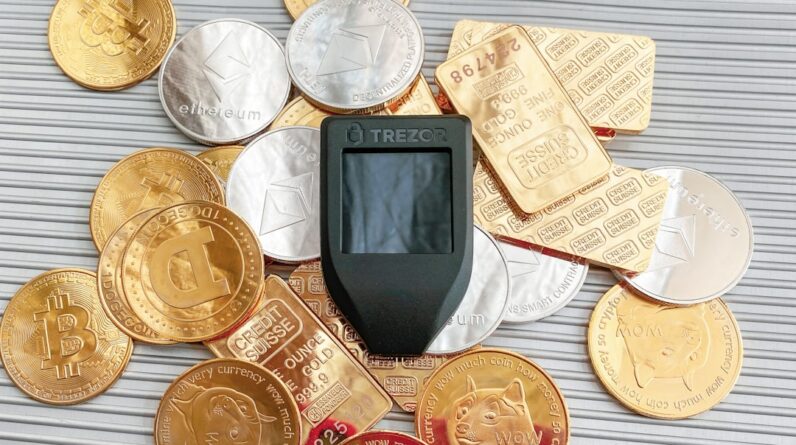
To defend against phishing attempts, always verify the authenticity of any communication you receive regarding your cryptocurrency accounts. Be cautious when clicking on links or downloading attachments from unknown sources. Additionally, consider using hardware wallets for storing your cryptocurrencies, as they provide an extra layer of security against online threats.
By remaining vigilant and adopting best practices for online security, you can better protect yourself from phishing and social engineering attacks.
Pump and Dump Schemes

Pump and dump schemes are another prevalent form of fraud in the cryptocurrency market, where scammers artificially inflate the price of a low-volume coin through misleading promotions or false information. Once the price has been pumped up by unsuspecting investors buying in, the scammers sell off their holdings at a profit, leaving you with a devalued asset as prices plummet back down. To avoid falling victim to pump and dump schemes, it’s crucial to be skeptical of sudden price surges or social media hype surrounding a particular cryptocurrency.
Conduct thorough research before investing in any asset that seems to be experiencing rapid price fluctuations without clear justification. By staying informed about market trends and exercising caution when considering investments based on hype, you can protect yourself from these manipulative tactics.
The Role of Regulation in Preventing Crypto Scams
As the cryptocurrency market continues to evolve, regulatory bodies around the world are grappling with how best to protect investors from scams while fostering innovation within the industry. Striking a balance between regulation and freedom is essential for creating a safe environment for investors like you. Increased regulation can help deter fraudulent activities by holding bad actors accountable and establishing clear guidelines for legitimate projects.
However, regulation alone cannot eliminate scams entirely; it requires active participation from both regulators and investors. You play a crucial role in advocating for transparency and accountability within the crypto space by supporting projects that prioritize ethical practices and compliance with regulations. By staying informed about regulatory developments and engaging with reputable projects, you can contribute to a safer cryptocurrency ecosystem.
Protecting Yourself from Crypto Scams: Tips and Best Practices
To safeguard your investments in the ever-evolving world of cryptocurrencies, it’s essential to adopt proactive measures that minimize your risk of falling victim to scams. Start by educating yourself about common types of fraud and their warning signs. Knowledge is your best defense against deception; understanding how scams operate will empower you to make informed decisions.
Additionally, always conduct thorough research before investing in any cryptocurrency project or opportunity. Look for transparency in team members, project goals, and community engagement. Utilize reputable exchanges and wallets that prioritize security measures such as two-factor authentication and cold storage options.
Finally, trust your instincts—if something feels off or too good to be true, take a step back and reassess before proceeding. By implementing these tips and best practices, you can navigate the cryptocurrency landscape with greater confidence while protecting yourself from potential scams. The world of digital currencies holds immense potential for growth and innovation; by remaining vigilant and informed, you can participate in this exciting space while safeguarding your investments against fraud.
FAQs
What are some common security risks associated with cryptocurrency?
Some common security risks associated with cryptocurrency include hacking, phishing scams, fraudulent initial coin offerings (ICOs), and Ponzi schemes.
How can individuals protect themselves from cryptocurrency scams?
Individuals can protect themselves from cryptocurrency scams by using reputable and secure cryptocurrency exchanges, enabling two-factor authentication, being cautious of unsolicited offers or requests for personal information, and conducting thorough research before investing in any cryptocurrency project.
What are some red flags to look out for when investing in a cryptocurrency project?
Some red flags to look out for when investing in a cryptocurrency project include promises of high returns with little to no risk, lack of transparency about the project’s team or technology, and pressure to invest quickly without providing adequate information.
What should individuals do if they fall victim to a cryptocurrency scam?
If individuals fall victim to a cryptocurrency scam, they should report the incident to the appropriate authorities, such as law enforcement or regulatory agencies, and seek legal assistance if necessary. Additionally, they should take steps to secure their accounts and prevent further unauthorized access.