As you embark on your journey into the world of cryptocurrency investing, it’s essential to grasp the fundamental concepts that underpin this digital asset class. Cryptocurrency is a form of digital or virtual currency that uses cryptography for security, making it difficult to counterfeit. Unlike traditional currencies issued by governments, cryptocurrencies operate on decentralized networks based on blockchain technology.
This decentralized nature means that transactions can occur directly between users without the need for intermediaries, such as banks. Understanding these basics will provide you with a solid foundation as you navigate the complexities of the crypto market. Moreover, the volatility of cryptocurrencies is a defining characteristic that you must acknowledge.
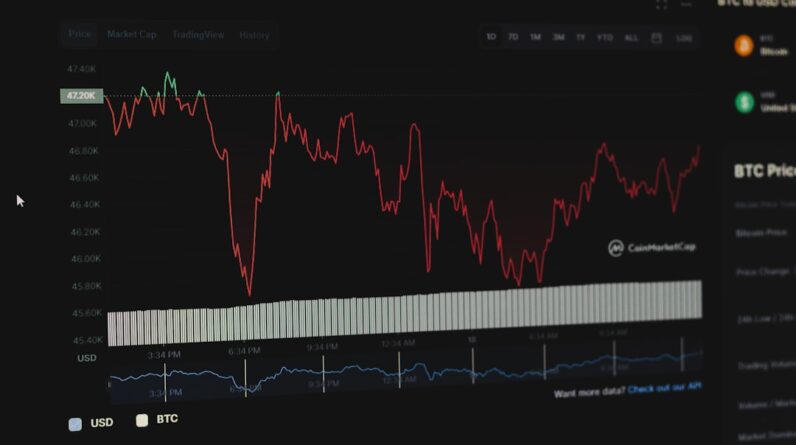
Prices can fluctuate dramatically within short periods, presenting both opportunities and risks. For instance, Bitcoin, the first and most well-known cryptocurrency, has experienced significant price swings since its inception. This volatility can be daunting, but it also creates potential for substantial returns if you approach your investments with caution and strategy.
Familiarizing yourself with key terms such as market capitalization, trading volume, and liquidity will further enhance your understanding and help you make informed decisions.
Key Takeaways
- Cryptocurrency investing involves understanding the basics of blockchain technology and the different types of cryptocurrencies available in the market.
- Setting clear investment goals and understanding your risk tolerance is crucial before investing in cryptocurrencies.
- Research and select the right cryptocurrencies by considering factors such as technology, team, market demand, and potential for growth.
- Choose the right exchange and wallet to ensure the security and accessibility of your cryptocurrency investments.
- Creating a diversified portfolio with a mix of different cryptocurrencies can help spread risk and maximize potential returns.
Setting Investment Goals and Risk Tolerance
Defining Your Objectives
Ask yourself what you hope to achieve through your investments. Are you looking for short-term gains or long-term wealth accumulation? Defining your objectives will guide your investment strategy and help you stay focused amidst market fluctuations. For instance, if your goal is to save for retirement, you may choose to adopt a more conservative approach, prioritizing stability over high-risk investments.
Understanding Your Risk Tolerance
Evaluating your risk tolerance involves assessing how much risk you are willing to take on in pursuit of your investment goals. Cryptocurrencies can be highly volatile, and prices can swing dramatically in a matter of hours. If you find that the thought of losing a significant portion of your investment keeps you up at night, it may be wise to adopt a more cautious strategy.
Aligning Your Investment Goals with Risk Tolerance
By aligning your investment goals with your risk tolerance, you can create a more personalized and effective investment strategy. If you are comfortable with high levels of risk and can afford to lose some of your investment, you might consider allocating a larger portion of your portfolio to more volatile assets. Conversely, if you are risk-averse, you may choose to prioritize more stable investments.
Researching and Selecting the Right Cryptocurrencies

Once you have established your investment goals and assessed your risk tolerance, the next step is to research and select the right cryptocurrencies for your portfolio. With thousands of cryptocurrencies available in the market, it can be overwhelming to determine which ones are worth your investment. Start by focusing on established cryptocurrencies like Bitcoin and Ethereum, which have demonstrated resilience and widespread adoption over time.
These assets often serve as a benchmark for the overall market and can provide a sense of security for new investors. In addition to established coins, consider exploring emerging projects that show promise in terms of technology and use cases. Look for cryptocurrencies that address real-world problems or offer innovative solutions within their respective industries.
Conduct thorough research by reading whitepapers, following industry news, and engaging with online communities. Pay attention to factors such as the development team’s credibility, community support, and partnerships with established companies. By taking the time to research and select cryptocurrencies thoughtfully, you can build a portfolio that aligns with your investment strategy and risk tolerance.
Choosing the Right Exchange and Wallet
Selecting the right exchange and wallet is a critical step in your cryptocurrency investing journey. An exchange is where you will buy, sell, and trade cryptocurrencies, while a wallet is where you will store them securely. When choosing an exchange, consider factors such as security features, user interface, fees, and available cryptocurrencies.
Some exchanges are more user-friendly than others, making them ideal for beginners. Additionally, ensure that the exchange has a good reputation and complies with regulatory standards to protect your investments. Once you have chosen an exchange, it’s time to select a wallet for storing your cryptocurrencies.
There are several types of wallets available, including hardware wallets, software wallets, and paper wallets. Hardware wallets are considered one of the safest options as they store your private keys offline, making them less vulnerable to hacking attempts. Software wallets are more convenient for frequent trading but may expose you to greater risks if not properly secured.
Assess your needs based on how often you plan to trade and how much security you require. By carefully selecting both an exchange and a wallet, you can ensure that your investments are safe and accessible.
Creating a Diversified Portfolio
Creating a diversified portfolio is essential for managing risk in cryptocurrency investing. Just as with traditional investments, putting all your eggs in one basket can lead to significant losses if that asset underperforms. Diversification involves spreading your investments across different cryptocurrencies to mitigate risk while maximizing potential returns.
Consider allocating a portion of your portfolio to established coins like Bitcoin and Ethereum while also investing in smaller altcoins that have growth potential. When diversifying your portfolio, think about various factors such as market capitalization, technology, and use cases of different cryptocurrencies. For example, you might choose to invest in coins focused on decentralized finance (DeFi), non-fungible tokens (NFTs), or privacy features.
By diversifying across different sectors within the cryptocurrency space, you can reduce the impact of poor performance from any single asset on your overall portfolio. Regularly reviewing and adjusting your allocations based on market trends will help maintain a balanced approach to investing.
Implementing a Buying and Selling Strategy

Having a well-defined buying and selling strategy is crucial for successful cryptocurrency investing. The crypto market can be highly unpredictable, making it easy to get swept up in emotions during price fluctuations. To avoid making impulsive decisions based on fear or greed, establish clear criteria for when to buy or sell assets.
For instance, you might decide to buy when a cryptocurrency reaches a certain price point or when it shows signs of strong technical indicators. Additionally, consider implementing strategies such as dollar-cost averaging (DCA) or setting stop-loss orders to manage risk effectively. DCA involves investing a fixed amount at regular intervals regardless of price fluctuations, which can help reduce the impact of volatility over time.
On the other hand, stop-loss orders allow you to set predetermined sell prices to limit potential losses if an asset’s value declines significantly. By having a structured buying and selling strategy in place, you can navigate the market with greater confidence and discipline.
Monitoring and Rebalancing Your Portfolio
Monitoring and rebalancing your portfolio is an ongoing process that ensures your investments remain aligned with your goals and risk tolerance. The cryptocurrency market is dynamic, with prices changing rapidly due to various factors such as market sentiment, regulatory developments, or technological advancements. Regularly reviewing your portfolio allows you to assess its performance and make necessary adjustments based on market conditions.
Rebalancing involves adjusting your asset allocations back to your desired levels after significant price movements have occurred. For example, if one cryptocurrency has surged in value while others have not performed as well, it may now represent a larger portion of your portfolio than intended. By selling some of the outperforming asset and reallocating those funds into underperforming ones, you can maintain diversification and potentially enhance long-term returns.
Establishing a routine for monitoring and rebalancing will help you stay proactive in managing your investments.
Staying Informed and Adapting to Market Changes
In the fast-paced world of cryptocurrency investing, staying informed is paramount for success. The landscape is constantly evolving due to technological advancements, regulatory changes, and shifts in market sentiment. To make informed decisions about your investments, regularly consume news from reputable sources within the crypto space.
Follow industry experts on social media platforms or subscribe to newsletters that provide insights into market trends and emerging projects. Additionally, be prepared to adapt your investment strategy based on new information or changing market conditions. Flexibility is key in navigating the unpredictable nature of cryptocurrencies; what worked yesterday may not work tomorrow.
By remaining vigilant and open-minded about potential adjustments to your portfolio or strategies, you can position yourself for success in this ever-changing environment. Embrace continuous learning as part of your investment journey; it will empower you to make better decisions and ultimately achieve your financial goals in the world of cryptocurrency investing.
FAQs
What is a crypto investing strategy?
A crypto investing strategy is a plan or approach for investing in cryptocurrencies. It involves setting specific goals, determining the amount of capital to invest, selecting the right cryptocurrencies to invest in, and establishing a timeline for buying and selling.
Why is a crypto investing strategy important?
A crypto investing strategy is important because it helps investors make informed decisions, manage risk, and stay focused on their investment goals. Without a strategy, investors may be more susceptible to emotional decision-making and impulsive trading.
What are the key components of a crypto investing strategy?
The key components of a crypto investing strategy include setting investment goals, determining risk tolerance, conducting research on cryptocurrencies, diversifying the investment portfolio, establishing entry and exit points, and regularly reviewing and adjusting the strategy.
How can I create a step-by-step crypto investing strategy?
To create a step-by-step crypto investing strategy, start by defining your investment goals, assessing your risk tolerance, researching different cryptocurrencies, diversifying your portfolio, setting entry and exit points, and regularly reviewing and adjusting your strategy based on market conditions.
What are some common mistakes to avoid in crypto investing?
Common mistakes to avoid in crypto investing include investing more than you can afford to lose, following hype and speculation, neglecting to conduct thorough research, failing to diversify your portfolio, and making emotional decisions based on short-term market fluctuations.