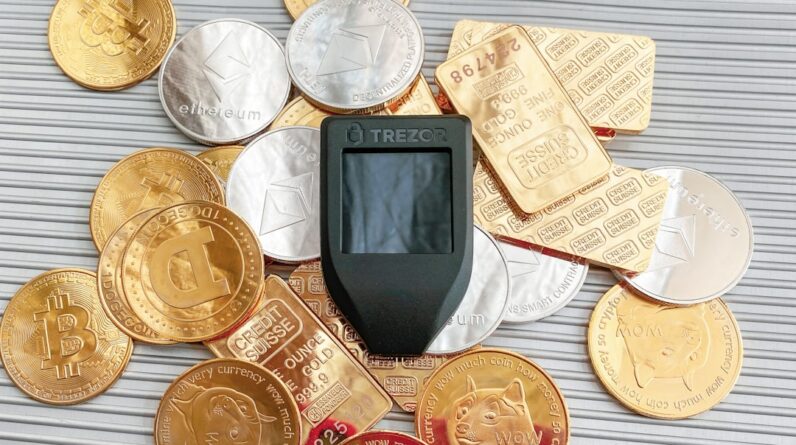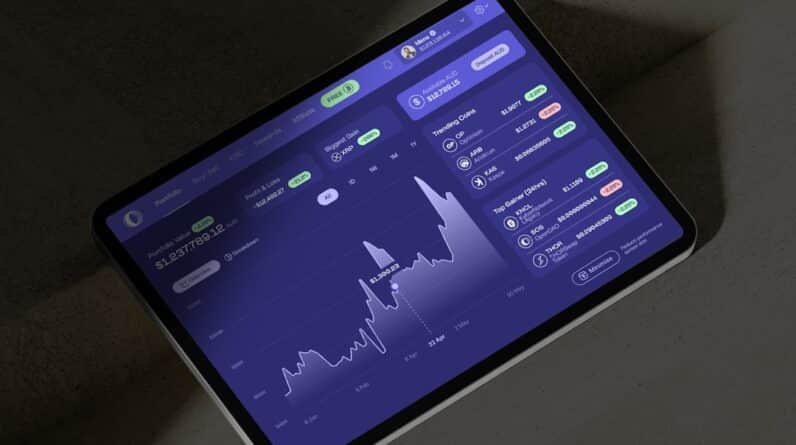
Cryptocurrency is a form of digital or virtual currency that utilizes cryptography for security, making it nearly impossible to counterfeit or double-spend. Unlike traditional currencies issued by governments, cryptocurrencies operate on decentralized networks based on blockchain technology. This means that transactions are recorded on a public ledger, which is maintained by a network of computers, or nodes, rather than a central authority.
The most well-known cryptocurrency, Bitcoin, was introduced in 2009, and since then, thousands of alternative cryptocurrencies have emerged, each with unique features and purposes. As you delve deeper into the world of cryptocurrency, you’ll discover that it offers a range of functionalities beyond mere currency. Some cryptocurrencies serve as platforms for decentralized applications (dApps), while others are designed for specific use cases, such as smart contracts or privacy-focused transactions.
The allure of cryptocurrency lies in its potential to revolutionize the financial landscape by providing an alternative to traditional banking systems, enabling peer-to-peer transactions without intermediaries, and fostering financial inclusion for those who lack access to conventional banking services.
Key Takeaways
- Cryptocurrency is a digital or virtual form of currency that uses cryptography for security and operates independently of a central bank.
- To get started with cryptocurrency investing, you’ll need to choose a reputable exchange, set up a digital wallet, and consider your investment goals and risk tolerance.
- Understanding the risks and benefits of cryptocurrency investing is crucial, as the market can be highly volatile and speculative, but also offers potential for high returns and diversification.
- When choosing the right cryptocurrencies to invest in, consider factors such as the technology behind the coin, the team and community supporting it, and its potential for real-world use and adoption.
- Setting up a cryptocurrency wallet is essential for securely storing and managing your digital assets, and there are different types of wallets to consider, such as hardware, software, and paper wallets.
How to Get Started with Cryptocurrency Investing
Embarking on your cryptocurrency investment journey can be both exciting and daunting. To get started, the first step is to educate yourself about the various cryptocurrencies available in the market. Familiarize yourself with the technology behind them, their use cases, and the teams that develop them.
Resources such as online courses, forums, and reputable news websites can provide valuable insights and help you build a solid foundation of knowledge. Once you feel comfortable with the basics, the next step is to choose a reliable cryptocurrency exchange where you can buy and sell digital assets. Popular exchanges like Coinbase, Binance, and Kraken offer user-friendly interfaces and a wide range of cryptocurrencies to choose from.
When selecting an exchange, consider factors such as security features, transaction fees, and customer support. After creating an account and completing any necessary verification processes, you can fund your account and begin purchasing your first cryptocurrencies.
Understanding the Risks and Benefits of Cryptocurrency Investing

Investing in cryptocurrency comes with its own set of risks and rewards that you must carefully consider before diving in. One of the most significant benefits is the potential for high returns. Many early investors in Bitcoin and other cryptocurrencies have seen their investments skyrocket in value over a relatively short period.
This potential for substantial gains has attracted a diverse range of investors, from individuals seeking financial independence to institutional investors looking to diversify their portfolios. However, it’s essential to recognize that the cryptocurrency market is highly volatile. Prices can fluctuate dramatically within short time frames due to market sentiment, regulatory news, or technological developments.
This volatility can lead to significant losses if you’re not prepared for the ups and downs of the market. Additionally, the lack of regulation in many jurisdictions means that investors may face risks related to fraud or hacking. Therefore, it’s crucial to approach cryptocurrency investing with caution and a well-thought-out strategy.
Choosing the Right Cryptocurrencies to Invest In
With thousands of cryptocurrencies available, selecting the right ones to invest in can be overwhelming. Start by focusing on established cryptocurrencies like Bitcoin and Ethereum, which have proven track records and large market capitalizations. These assets tend to be less volatile than newer projects and can serve as a stable foundation for your portfolio.
As you gain more experience, consider exploring smaller or emerging cryptocurrencies that show promise. Look for projects with strong development teams, innovative technology, and real-world use cases. Conduct thorough research by reading whitepapers, following industry news, and engaging with online communities.
Additionally, pay attention to market trends and sentiment; sometimes, timing your investments can make a significant difference in your returns.
Setting Up a Cryptocurrency Wallet
Once you’ve decided on which cryptocurrencies to invest in, it’s crucial to set up a secure wallet to store your digital assets safely. A cryptocurrency wallet is a software or hardware tool that allows you to send, receive, and manage your cryptocurrencies. There are several types of wallets available: hot wallets (connected to the internet) and cold wallets (offline storage).
Hot wallets are convenient for frequent trading but are more vulnerable to hacking attempts. In contrast, cold wallets provide enhanced security for long-term storage. When choosing a wallet, consider factors such as security features, ease of use, and compatibility with the cryptocurrencies you plan to hold.
Popular options include hardware wallets like Ledger and Trezor for cold storage or software wallets like Exodus and Trust Wallet for hot storage. Regardless of your choice, always remember to back up your wallet and keep your private keys secure; losing access to your wallet can mean losing your investments permanently.
Strategies for Successful Cryptocurrency Investing
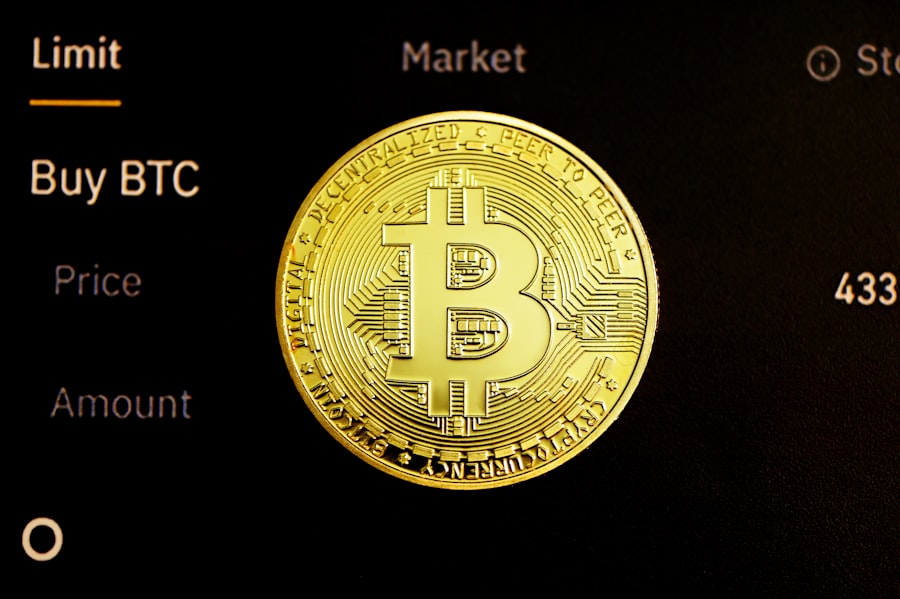
To maximize your chances of success in cryptocurrency investing, it’s essential to develop a well-defined strategy tailored to your financial goals and risk tolerance. One common approach is dollar-cost averaging (DCA), where you invest a fixed amount of money at regular intervals regardless of market conditions. This strategy helps mitigate the impact of volatility by spreading out your purchases over time.
Another effective strategy is diversification. By investing in a mix of established cryptocurrencies and promising altcoins, you can reduce the risk associated with any single asset’s poor performance. Additionally, consider setting clear entry and exit points for your investments based on technical analysis or fundamental research.
This disciplined approach can help you avoid emotional decision-making during market fluctuations.
Staying Informed and Updated on Cryptocurrency Trends
The cryptocurrency landscape is constantly evolving, making it crucial for you to stay informed about the latest trends and developments. Follow reputable news sources, subscribe to industry newsletters, and engage with online communities on platforms like Reddit or Twitter. By staying connected with other investors and enthusiasts, you can gain valuable insights into market sentiment and emerging opportunities.
Moreover, consider attending conferences or webinars focused on cryptocurrency and blockchain technology. These events often feature industry experts who share their knowledge and experiences, providing you with a deeper understanding of the market dynamics at play. Staying informed will not only enhance your investment decisions but also help you navigate potential challenges in this fast-paced environment.
Tips for Securing and Protecting Your Cryptocurrency Investments
As you invest in cryptocurrency, safeguarding your assets should be a top priority. Start by enabling two-factor authentication (2FA) on all accounts associated with your investments. This additional layer of security requires a second form of verification when logging in or making transactions, significantly reducing the risk of unauthorized access.
Additionally, be cautious about sharing personal information online or engaging with unknown parties in cryptocurrency forums or social media platforms. Scammers often target inexperienced investors through phishing schemes or fraudulent investment opportunities. Always verify the legitimacy of any project or individual before sharing sensitive information or making financial commitments.
Finally, regularly review your investment portfolio and adjust your strategy as needed based on market conditions or changes in your financial goals. By staying proactive about securing your investments and adapting to new information, you can enhance your chances of success in the ever-evolving world of cryptocurrency investing.