Short-term crypto trading has emerged as a popular strategy among investors looking to capitalize on the rapid price fluctuations in the cryptocurrency market. Unlike long-term investing, which often involves holding assets for extended periods, short-term trading focuses on making quick profits from small price movements. This approach can be particularly appealing in the volatile world of cryptocurrencies, where prices can swing dramatically within hours or even minutes.
As you embark on your journey into short-term trading, it’s essential to understand the dynamics of the market and develop a strategy that aligns with your financial goals. Engaging in short-term crypto trading requires a keen awareness of market trends and a willingness to adapt quickly to changing conditions. The allure of potentially high returns can be enticing, but it also comes with significant risks.
You must be prepared to navigate the complexities of the market, including understanding various trading strategies, managing your emotions, and employing effective risk management techniques. By equipping yourself with the right knowledge and tools, you can enhance your chances of success in this fast-paced environment.
Key Takeaways
- Short-term crypto trading involves buying and selling digital assets within a short time frame, typically within a day or a few days.
- Market volatility and trends play a crucial role in short-term crypto trading, as traders aim to capitalize on price fluctuations and momentum.
- Setting clear entry and exit points is essential for short-term traders to minimize losses and maximize profits.
- Technical analysis and indicators, such as moving averages and RSI, are commonly used to identify potential entry and exit points in short-term trading.
- Managing risk and position sizing is important to protect capital and ensure sustainable trading performance in the short term.
Understanding Market Volatility and Trends
Market volatility is a defining characteristic of the cryptocurrency landscape. Prices can fluctuate wildly due to various factors, including news events, regulatory changes, and shifts in investor sentiment. As a short-term trader, you need to embrace this volatility and learn how to interpret it to your advantage.
Understanding the underlying causes of price movements can help you make informed decisions about when to enter or exit a trade. For instance, a sudden surge in trading volume might indicate increased interest in a particular asset, signaling a potential buying opportunity. Recognizing trends is equally crucial in short-term trading.
Trends can be upward, downward, or sideways, and identifying them early can significantly impact your trading outcomes. You should familiarize yourself with different types of trends and how they manifest in the crypto market. For example, an upward trend may present opportunities for buying, while a downward trend might signal a time to sell or short an asset.
By honing your ability to spot trends and understanding their implications, you can position yourself more effectively in the market.
Setting Clear Entry and Exit Points

Establishing clear entry and exit points is vital for successful short-term trading. These points serve as your roadmap, guiding your decisions and helping you avoid emotional trading. Before entering a trade, you should determine at what price you will buy an asset and at what price you will sell it.
This clarity not only helps you stay disciplined but also allows you to manage your risk effectively. For instance, setting a stop-loss order can protect your capital by automatically selling an asset if it falls below a predetermined price. Moreover, having well-defined entry and exit points enables you to evaluate your trades objectively.
After executing a trade, you can assess whether your strategy was effective based on whether you adhered to your predetermined points. This practice fosters accountability and encourages continuous improvement in your trading approach. As you gain experience, you may find that refining these points becomes an integral part of your trading strategy, allowing you to adapt to changing market conditions while maintaining a clear focus on your goals.
Utilizing Technical Analysis and Indicators
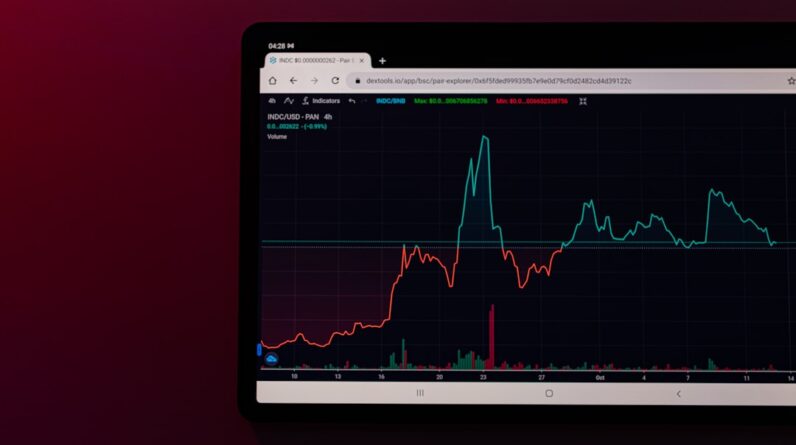
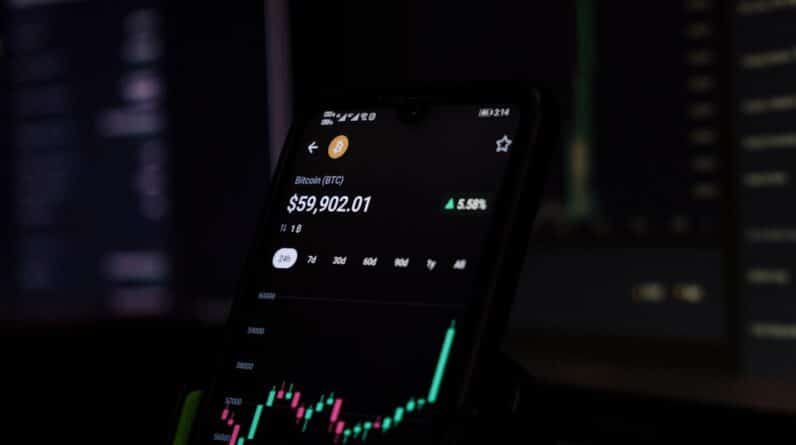
Technical analysis is a cornerstone of short-term crypto trading, providing you with tools to analyze price movements and make informed decisions. By studying historical price data and chart patterns, you can identify potential entry and exit points based on past performance. Familiarizing yourself with various chart types—such as candlestick charts or line charts—can enhance your ability to interpret market behavior effectively.
In addition to chart patterns, utilizing technical indicators can further refine your analysis. Indicators like moving averages, Relative Strength Index (RSI), and Bollinger Bands can provide valuable insights into market momentum and potential reversals. For example, if the RSI indicates that an asset is overbought, it may signal a forthcoming price correction, prompting you to consider selling or taking profits.
By integrating technical analysis and indicators into your trading strategy, you can enhance your decision-making process and increase your chances of success in the fast-paced crypto market.
Managing Risk and Position Sizing
Risk management is paramount in short-term crypto trading, as the potential for significant losses is ever-present in such a volatile environment. One of the most effective ways to manage risk is through position sizing—determining how much capital to allocate to each trade based on your overall portfolio size and risk tolerance. A common rule of thumb is to risk only a small percentage of your total capital on any single trade, often recommended at around 1-2%.
This approach helps protect your portfolio from substantial losses while allowing for growth over time. In addition to position sizing, employing stop-loss orders is another essential risk management technique. By setting a stop-loss order at a predetermined level, you can limit potential losses if the market moves against you.
This automated approach takes the emotional aspect out of trading decisions and ensures that you stick to your risk management plan. As you develop your trading strategy, continually assess your risk tolerance and adjust your position sizes accordingly to maintain a balanced approach that aligns with your financial goals.
Leveraging Short-term Trading Tools and Platforms

In today’s digital age, numerous tools and platforms are available to assist you in short-term crypto trading. These resources can streamline your trading process and provide valuable insights into market conditions. For instance, many trading platforms offer advanced charting tools that allow you to analyze price movements in real-time.
Additionally, some platforms provide access to news feeds and social media sentiment analysis, helping you stay informed about developments that could impact the market. Moreover, utilizing automated trading bots can enhance your efficiency as a short-term trader. These bots can execute trades based on predefined criteria, allowing you to capitalize on opportunities even when you’re not actively monitoring the market.
However, while these tools can be beneficial, it’s essential to understand their limitations and ensure that they align with your overall trading strategy. By leveraging the right tools and platforms, you can enhance your trading experience and improve your chances of success in the fast-paced world of cryptocurrency.
Developing a Trading Plan and Sticking to It
Creating a comprehensive trading plan is crucial for anyone serious about short-term crypto trading. Your plan should outline your trading goals, strategies, risk management techniques, and criteria for entering and exiting trades. By having a well-defined plan in place, you can approach the market with confidence and clarity, reducing the likelihood of impulsive decisions driven by emotions.
Once you’ve developed your trading plan, it’s essential to stick to it diligently. Consistency is key in short-term trading; deviating from your plan can lead to unnecessary losses or missed opportunities. Regularly reviewing and refining your plan based on your experiences will also help you adapt to changing market conditions while maintaining focus on your long-term objectives.
By committing to a disciplined approach and adhering to your trading plan, you’ll be better positioned for success in the dynamic world of cryptocurrency.
Evaluating and Adjusting Short-term Trading Strategies
As with any investment strategy, evaluating and adjusting your short-term trading strategies is vital for ongoing success. Regularly reviewing your trades allows you to identify patterns in your performance—both positive and negative—and make informed adjustments accordingly. Consider keeping a trading journal where you document each trade’s rationale, outcome, and any lessons learned.
This practice not only helps you track your progress but also fosters self-reflection that can lead to improved decision-making over time. Additionally, staying informed about market developments is crucial for adapting your strategies effectively. The cryptocurrency landscape is constantly evolving; new technologies, regulations, or trends can significantly impact market dynamics.
By remaining vigilant and open to change, you can refine your strategies based on current conditions rather than relying solely on past performance. Embracing this mindset will empower you to navigate the complexities of short-term crypto trading with greater confidence and adaptability. In conclusion, short-term crypto trading offers exciting opportunities for those willing to invest time in understanding the market’s intricacies.
By mastering concepts such as market volatility, technical analysis, risk management, and strategic planning, you can enhance your chances of success in this fast-paced environment. Remember that continuous evaluation and adjustment of your strategies are essential for long-term growth in this ever-changing landscape. With dedication and discipline, you can navigate the world of short-term crypto trading effectively while working towards achieving your financial goals.
FAQs
What are short-term crypto trading strategies?
Short-term crypto trading strategies are trading techniques that involve buying and selling cryptocurrencies within a short time frame, typically within a few hours or days, to take advantage of small price movements.
What are some common short-term crypto trading strategies?
Some common short-term crypto trading strategies include scalping, day trading, swing trading, and momentum trading. These strategies involve different approaches to analyzing market trends and making quick trading decisions.
What are the risks associated with short-term crypto trading?
Short-term crypto trading carries various risks, including price volatility, market manipulation, and liquidity issues. Traders may also be susceptible to emotional decision-making and the potential for significant losses in a short period of time.
How can traders mitigate risks in short-term crypto trading?
Traders can mitigate risks in short-term crypto trading by using stop-loss orders, setting clear entry and exit points, diversifying their portfolio, and staying informed about market trends and news. Additionally, using technical analysis and risk management strategies can help minimize potential losses.
What are some key factors to consider when implementing short-term crypto trading strategies?
When implementing short-term crypto trading strategies, traders should consider factors such as market liquidity, trading volume, price trends, news and events, and the overall market sentiment. It’s also important to have a clear trading plan and to stay disciplined in executing the strategy.