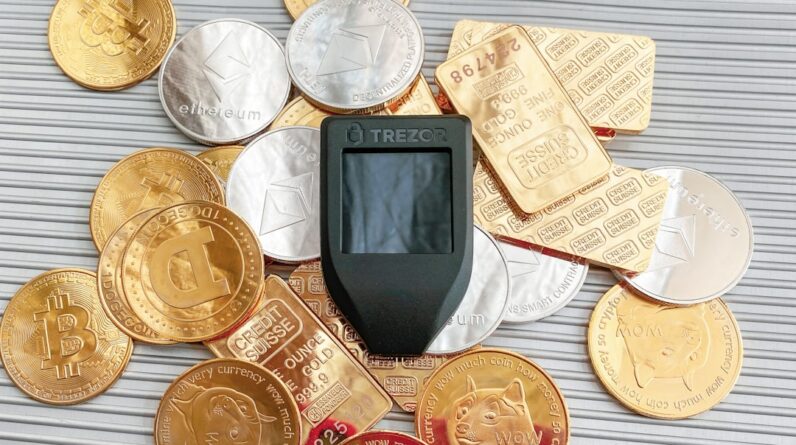
In recent years, you may have noticed a significant shift in the retail landscape, largely driven by the rise of cryptocurrency. Initially perceived as a niche market, cryptocurrencies like Bitcoin and Ethereum have gained mainstream attention, prompting retailers to explore their potential. This transformation is not merely a trend; it represents a fundamental change in how transactions are conducted.
As you delve into this phenomenon, you’ll find that the allure of decentralized finance and the promise of lower transaction fees are compelling reasons for retailers to embrace this digital currency revolution. The rise of cryptocurrency in retail is also fueled by consumer demand for more flexible payment options. You might find it intriguing that many shoppers, especially younger generations, are increasingly comfortable with digital currencies.
They appreciate the speed and security that cryptocurrencies offer compared to traditional payment methods. As a result, retailers are beginning to recognize that accepting cryptocurrency can enhance customer satisfaction and loyalty. This shift is not just about keeping up with trends; it’s about meeting the evolving expectations of a tech-savvy consumer base.
Key Takeaways
- Cryptocurrency is gaining popularity in retail as more consumers and businesses embrace digital currency for transactions.
- Blockchain technology is revolutionizing retail by providing secure and transparent supply chain management and customer data protection.
- Retailers are increasingly offering cryptocurrency payment options to cater to tech-savvy consumers and expand their customer base.
- Cryptocurrency plays a significant role in e-commerce by providing a secure and efficient payment method for online transactions.
- Retailers face challenges in adopting cryptocurrency, but also have opportunities to attract new customers and streamline payment processes.
The Impact of Blockchain Technology on Retail
Blockchain technology, the backbone of cryptocurrencies, is reshaping the retail sector in profound ways. You may be surprised to learn that blockchain offers more than just a secure payment method; it provides a transparent and immutable ledger that can enhance supply chain management. By utilizing blockchain, retailers can track products from their origin to the point of sale, ensuring authenticity and reducing fraud.
This level of transparency can significantly boost consumer trust, as you can be assured that the products you purchase are genuine and ethically sourced. Moreover, blockchain technology facilitates smart contracts, which automate various processes in retail transactions. Imagine a scenario where you purchase an item online, and the payment is automatically released to the seller once the product is delivered to your doorstep.
This not only streamlines the purchasing process but also minimizes disputes between buyers and sellers. As you explore the implications of blockchain in retail, it becomes clear that this technology is not just a passing fad; it’s a transformative force that can enhance efficiency and accountability across the industry.
Cryptocurrency Payment Options in Retail

As cryptocurrency continues to gain traction, retailers are increasingly offering diverse payment options to cater to this growing market. You might be interested to know that major companies like Overstock and Newegg have already integrated cryptocurrency payment systems into their platforms. These retailers allow you to pay for your purchases using Bitcoin, Ethereum, and other digital currencies, making it easier than ever to engage with this new financial ecosystem.
The convenience of using cryptocurrency can enhance your shopping experience, providing you with more choices at checkout. Additionally, payment processors like BitPay and Coinbase Commerce are making it simpler for retailers to accept cryptocurrencies. These platforms convert digital currencies into fiat money instantly, mitigating the volatility associated with cryptocurrencies.
This means that as a consumer, you can enjoy the benefits of using cryptocurrency without worrying about fluctuating values affecting your purchase. As more retailers adopt these payment options, you may find yourself increasingly inclined to use cryptocurrency for everyday transactions.
The Role of Cryptocurrency in E-commerce
In the realm of e-commerce, cryptocurrency is carving out a significant niche. You may have noticed that online shopping platforms are particularly well-suited for cryptocurrency transactions due to their digital nature. The ability to make instant payments without intermediaries appeals to both consumers and merchants alike.
For you as an online shopper, using cryptocurrency can provide a sense of security and anonymity that traditional payment methods often lack. Furthermore, e-commerce platforms that accept cryptocurrency can tap into a global market without the constraints of currency conversion fees or international transaction charges. This opens up new avenues for businesses looking to expand their reach.
As you explore various online stores, you might find that those accepting cryptocurrency often attract a more diverse customer base, eager to engage with innovative payment solutions. The integration of cryptocurrency into e-commerce is not just about convenience; it’s about creating a more inclusive shopping experience for everyone.
Challenges and Opportunities for Retailers in Adopting Cryptocurrency
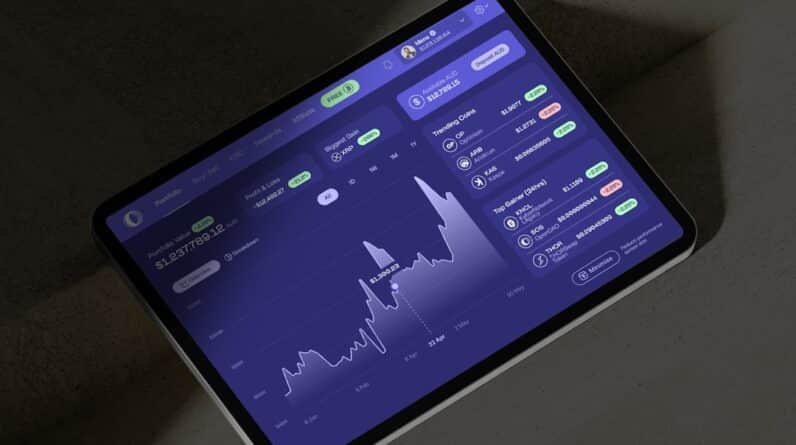
While the adoption of cryptocurrency presents exciting opportunities for retailers, it also comes with its fair share of challenges. You may be aware that volatility is one of the primary concerns associated with cryptocurrencies. The rapid fluctuations in value can make it difficult for retailers to price their products accurately and manage their finances effectively.
As a consumer, this volatility could impact your purchasing decisions if you’re unsure about the value of your digital currency at any given moment. Additionally, there are technical hurdles that retailers must overcome when integrating cryptocurrency payment systems into their existing infrastructure. You might find it interesting that many small businesses lack the resources or expertise to navigate this complex landscape.
However, those willing to invest in training and technology can reap significant rewards. By embracing cryptocurrency, retailers can differentiate themselves from competitors and attract a new demographic of tech-savvy consumers eager to use digital currencies.
Consumer Adoption of Cryptocurrency in Retail

Consumer adoption of cryptocurrency in retail is steadily increasing, driven by several factors including convenience, security, and the desire for innovative payment methods. You may have noticed that as more people become familiar with digital currencies, their willingness to use them for everyday purchases grows. This trend is particularly evident among younger generations who view cryptocurrencies as a legitimate alternative to traditional banking systems.
Moreover, educational initiatives aimed at demystifying cryptocurrencies are playing a crucial role in consumer adoption. As you engage with various platforms and resources that explain how cryptocurrencies work, you may feel more empowered to use them in your shopping experiences. Retailers who actively promote their acceptance of cryptocurrency can further encourage this trend by providing clear information on how transactions work and the benefits they offer.
As consumer confidence grows, so too does the likelihood that you will choose to pay with cryptocurrency during your next shopping trip.
The Future of Cryptocurrency in Brick and Mortar Stores
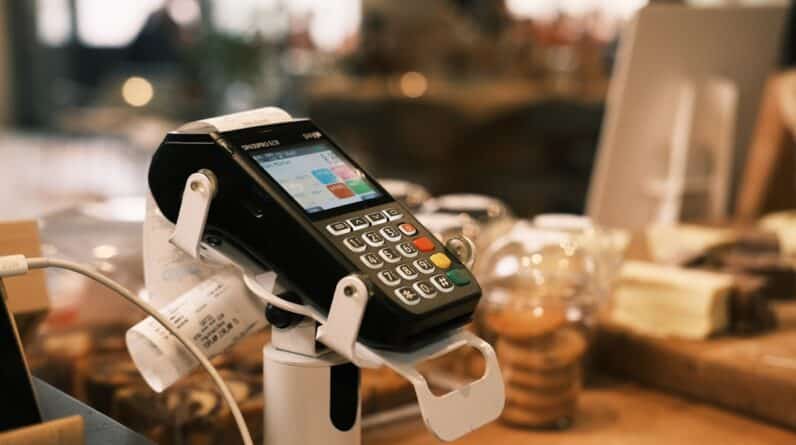
The future of cryptocurrency in brick-and-mortar stores looks promising as more retailers begin to recognize its potential benefits. You might be intrigued by the idea that physical stores could soon become hubs for digital currency transactions, offering customers an alternative payment method alongside cash and credit cards. As technology continues to evolve, you may find yourself walking into stores where paying with Bitcoin or other cryptocurrencies becomes as commonplace as swiping your credit card.
Additionally, partnerships between retailers and cryptocurrency companies could pave the way for innovative loyalty programs and promotions tailored specifically for digital currency users. Imagine earning rewards or discounts simply by choosing to pay with cryptocurrency at your favorite local store! This could create a unique shopping experience that not only enhances customer engagement but also fosters a sense of community among those who embrace this new financial paradigm.
Regulatory and Legal Considerations for Cryptocurrency in Retail
As you explore the world of cryptocurrency in retail, it’s essential to consider the regulatory and legal landscape surrounding this emerging market. Governments around the world are grappling with how to regulate cryptocurrencies effectively while fostering innovation. You may find it interesting that some countries have embraced cryptocurrencies wholeheartedly, while others have imposed strict regulations or outright bans.
For retailers looking to adopt cryptocurrency as a payment option, navigating these regulations can be challenging. Compliance with anti-money laundering (AML) and know-your-customer (KYC) requirements is crucial to avoid legal pitfalls. As a consumer, understanding these regulations can help you make informed decisions about where and how you choose to spend your digital currency.
Ultimately, as regulatory frameworks evolve, they will play a significant role in shaping the future of cryptocurrency in retail, influencing both retailer strategies and consumer behavior. In conclusion, the rise of cryptocurrency in retail represents a significant shift in how transactions are conducted and how consumers engage with brands. As you navigate this evolving landscape, it’s essential to stay informed about the opportunities and challenges presented by this new financial frontier.
Whether you’re a retailer considering accepting cryptocurrency or a consumer exploring new payment options, understanding these dynamics will empower you to make informed choices in an increasingly digital world.
FAQs
What is the future of crypto in retail?
The future of crypto in retail involves the increasing acceptance and integration of cryptocurrencies as a form of payment for goods and services.
How are retailers adopting crypto?
Retailers are adopting crypto by implementing payment systems that allow customers to make purchases using cryptocurrencies such as Bitcoin, Ethereum, and others.
What are the benefits of using crypto in retail?
The benefits of using crypto in retail include lower transaction fees, faster cross-border transactions, increased security, and access to a global customer base.
What are the challenges of integrating crypto in retail?
Challenges of integrating crypto in retail include regulatory uncertainty, price volatility, lack of understanding among consumers, and the need for infrastructure and technical support.
What are some examples of retailers accepting crypto?
Some examples of retailers accepting crypto include Overstock, Shopify, Newegg, and Microsoft, as well as smaller businesses and online stores.
How is consumer behavior impacting the future of crypto in retail?
Consumer behavior is impacting the future of crypto in retail by driving demand for alternative payment options and influencing retailers to adapt to changing preferences.