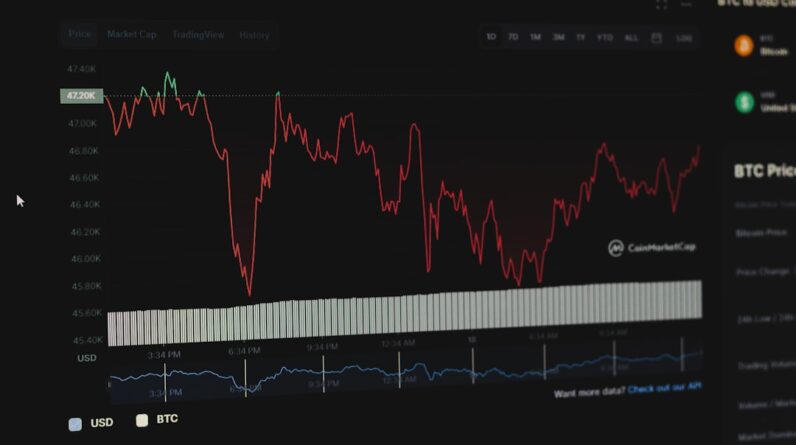
As you embark on your journey into the world of cryptocurrency investment, it’s essential to grasp the fundamental concepts that underpin this digital financial landscape. Cryptocurrency, a form of digital or virtual currency that uses cryptography for security, has gained immense popularity over the past decade. The allure of potentially high returns, coupled with the innovative technology behind blockchain, has attracted both seasoned investors and newcomers alike.
However, before diving headfirst into this volatile market, it’s crucial to understand the intricacies involved in crypto investment. The rise of cryptocurrencies has transformed the way people perceive and engage with money. Unlike traditional currencies, cryptocurrencies operate on decentralized networks, which means they are not controlled by any central authority.
This decentralization offers a level of transparency and security that many find appealing. As you consider investing in cryptocurrencies, it’s vital to educate yourself about the various factors that can influence market trends and price fluctuations. By doing so, you can make informed decisions that align with your financial goals and risk tolerance.
Key Takeaways
- Crypto investment offers potential for high returns but comes with high risk
- Different cryptocurrencies have unique features and use cases, requiring understanding before investment
- Risk management is crucial in crypto investment due to market volatility and security concerns
- Various trading and investment strategies exist, including day trading, swing trading, and long-term holding
- Technical analysis and charting can help identify trends and make informed investment decisions
Understanding Different Cryptocurrencies
In the vast universe of cryptocurrencies, Bitcoin often takes center stage as the first and most well-known digital currency. However, it’s essential to recognize that Bitcoin is just one of thousands of cryptocurrencies available today. Each cryptocurrency operates on its unique technology and serves different purposes within the digital economy.
As you explore these options, familiarize yourself with popular alternatives like Ethereum, Ripple, and Litecoin, each offering distinct features and use cases. Ethereum, for instance, is not just a cryptocurrency but also a platform for building decentralized applications (dApps) through smart contracts. This functionality has led to the rise of decentralized finance (DeFi) and non-fungible tokens (NFTs), expanding the scope of what cryptocurrencies can achieve.
On the other hand, Ripple focuses on facilitating cross-border payments and has garnered attention from financial institutions seeking faster transaction methods. By understanding the nuances of various cryptocurrencies, you can better assess which ones align with your investment strategy and risk appetite.
Risk Management in Crypto Investment

Investing in cryptocurrencies can be exhilarating, but it also comes with significant risks. The market is known for its volatility, with prices capable of soaring or plummeting within short timeframes. As you navigate this unpredictable terrain, implementing effective risk management strategies is paramount to safeguarding your investments.
One fundamental principle is to only invest what you can afford to lose. This approach allows you to participate in the market without jeopardizing your financial stability. Another critical aspect of risk management is diversification.
By spreading your investments across multiple cryptocurrencies rather than concentrating on a single asset, you can mitigate potential losses. If one cryptocurrency experiences a downturn, others in your portfolio may perform well, balancing out your overall risk exposure. Additionally, consider setting stop-loss orders to automatically sell your assets if they fall below a certain price point.
This strategy can help you limit losses and protect your capital in a rapidly changing market.
Trading and Investment Strategies
When it comes to crypto investment, you have various strategies at your disposal, each catering to different goals and risk tolerances. Day trading involves buying and selling cryptocurrencies within short timeframes, often capitalizing on small price movements throughout the day. This approach requires a keen understanding of market trends and technical analysis but can yield quick profits for those who are skilled at timing their trades.
Conversely, long-term investing—often referred to as HODLing—focuses on buying and holding assets for an extended period, regardless of short-term price fluctuations. This strategy is based on the belief that the value of certain cryptocurrencies will appreciate significantly over time. As you consider your investment approach, reflect on your financial objectives and how much time you can dedicate to monitoring the market.
Whether you choose to trade actively or adopt a long-term perspective, having a clear strategy will help guide your decisions.
Technical Analysis and Charting
Technical analysis is a vital tool for any crypto investor looking to make informed trading decisions. By analyzing historical price data and trading volumes, you can identify patterns and trends that may indicate future price movements. As you delve into technical analysis, familiarize yourself with key concepts such as support and resistance levels, moving averages, and various chart patterns like head and shoulders or flags.
Charting tools are widely available on trading platforms and can provide valuable insights into market sentiment. For instance, candlestick charts offer a visual representation of price movements over specific timeframes, allowing you to gauge market momentum. By mastering technical analysis techniques, you can enhance your ability to predict price movements and make more strategic investment choices.
Fundamental Analysis of Cryptocurrencies

While technical analysis focuses on price movements, fundamental analysis delves into the underlying factors that influence a cryptocurrency’s value. This approach involves evaluating aspects such as the technology behind the cryptocurrency, its use case, team expertise, market demand, and overall market conditions. As you conduct fundamental analysis, consider the project’s whitepaper—an essential document that outlines its goals, technology, and roadmap.
Additionally, staying informed about industry news and developments is crucial for understanding how external factors can impact cryptocurrency prices. Regulatory changes, technological advancements, or partnerships can significantly influence market sentiment and investor confidence. By combining both technical and fundamental analysis in your investment strategy, you can develop a more comprehensive understanding of the cryptocurrencies you’re interested in.
Building a Diversified Crypto Portfolio
Creating a diversified crypto portfolio is essential for managing risk while maximizing potential returns. As you begin to build your portfolio, consider allocating your investments across various cryptocurrencies with different use cases and market capitalizations. For instance, while Bitcoin may serve as a stable foundation due to its established reputation, exploring smaller altcoins could offer higher growth potential.
When constructing your portfolio, it’s also wise to consider the balance between established cryptocurrencies and emerging projects. Established coins tend to be less volatile but may offer slower growth compared to newer projects that could experience rapid appreciation if they gain traction in the market. Regularly reviewing and rebalancing your portfolio based on market conditions will help ensure that your investments align with your evolving financial goals.
Long-Term Investment and HODLing Strategies
Long-term investment strategies have gained popularity among crypto enthusiasts who believe in the transformative potential of blockchain technology. HODLing—an informal term derived from a misspelled online post—refers to holding onto your investments despite market fluctuations with the expectation that their value will increase over time. This approach requires patience and conviction in your chosen assets.
To successfully implement a long-term investment strategy, it’s crucial to conduct thorough research before committing to any cryptocurrency. Understanding the project’s fundamentals and its potential for future growth will help you remain confident during market downturns. Additionally, consider setting specific investment goals and timelines to keep yourself focused on your long-term vision rather than getting swayed by short-term price movements.
In conclusion, navigating the world of cryptocurrency investment requires a blend of knowledge, strategy, and discipline. By understanding different cryptocurrencies, implementing effective risk management techniques, employing trading strategies, conducting thorough analyses, building a diversified portfolio, and adopting long-term investment approaches like HODLing, you can position yourself for success in this dynamic market. As you continue your journey in crypto investment, remember that education is key; staying informed will empower you to make sound decisions that align with your financial aspirations.