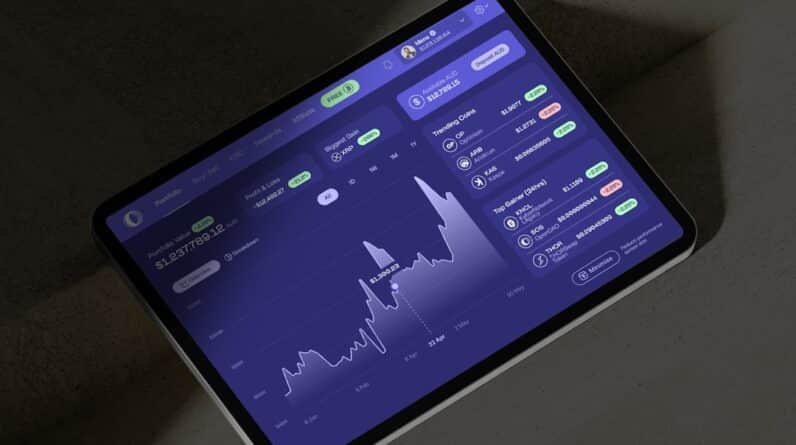
As you delve into the world of cryptocurrency, it’s essential to grasp the fundamental concepts that underpin this digital financial revolution. At its core, cryptocurrency is a form of digital or virtual currency that employs cryptography for security. Unlike traditional currencies issued by governments, cryptocurrencies operate on decentralized networks based on blockchain technology.
This means that transactions are recorded on a public ledger, ensuring transparency and security while eliminating the need for intermediaries like banks. Bitcoin, created in 2009, was the first cryptocurrency and remains the most well-known, but thousands of alternatives, known as altcoins, have emerged since then. You may find it fascinating that cryptocurrencies can serve various purposes beyond mere currency.
Some are designed for specific applications, such as Ethereum, which enables smart contracts and decentralized applications. Others focus on privacy, like Monero and Zcash, which offer enhanced anonymity features. Understanding these distinctions is crucial as you navigate the landscape of digital currencies.
The technology behind cryptocurrencies is continually evolving, with innovations such as decentralized finance (DeFi) and non-fungible tokens (NFTs) gaining traction. As you explore these developments, you’ll begin to appreciate the potential impact of cryptocurrencies on the global financial system.
Key Takeaways
- Cryptocurrency is a digital or virtual form of currency that uses cryptography for security and operates independently of a central bank.
- The risks and volatility of cryptocurrency include price fluctuations, regulatory changes, and security breaches, making it a highly speculative investment.
- While cryptocurrency has the potential for high returns, it also comes with high levels of risk and uncertainty, and investors should be prepared for significant fluctuations in value.
- Regulatory and security concerns surrounding cryptocurrency include potential government crackdowns, hacking, and lack of consumer protection, making it a risky investment.
- Diversification and portfolio allocation are important strategies for managing the risks associated with cryptocurrency investment, as it can help spread out the potential impact of volatility.
Risks and Volatility of Cryptocurrency
While the allure of cryptocurrency can be enticing, it’s vital to recognize the inherent risks associated with investing in this volatile market. One of the most significant challenges you may face is price volatility. Cryptocurrencies are notorious for their dramatic price swings, which can occur within hours or even minutes.
For instance, Bitcoin has experienced fluctuations of thousands of dollars in a single day, making it a risky investment for those who cannot tolerate such uncertainty. This volatility can be attributed to various factors, including market sentiment, regulatory news, and technological advancements. Moreover, the lack of regulation in the cryptocurrency market adds another layer of risk.
Unlike traditional financial markets, which are subject to oversight by government agencies, cryptocurrencies operate in a largely unregulated environment. This absence of regulation can lead to market manipulation and fraudulent schemes, putting your investment at risk. Additionally, the potential for hacking and security breaches poses a significant threat to your digital assets.
Many high-profile exchanges have fallen victim to cyberattacks, resulting in substantial losses for investors. As you consider entering this market, it’s crucial to weigh these risks against the potential rewards.
Potential for High Returns

Despite the risks associated with cryptocurrency investments, many individuals are drawn to the potential for high returns. The meteoric rise of Bitcoin and other cryptocurrencies has created a narrative of wealth generation that is hard to ignore. Early adopters of Bitcoin, for example, saw their investments multiply exponentially over the years.
This potential for significant gains is one of the primary reasons why many investors are willing to take the plunge into this volatile market. As you explore various cryptocurrencies, you may discover that some altcoins have experienced even more dramatic price increases than Bitcoin. While these opportunities can be enticing, it’s essential to approach them with caution.
The potential for high returns often comes with an equally high level of risk. Many lesser-known cryptocurrencies can be subject to pump-and-dump schemes or may lack the technological foundation necessary for long-term success. Therefore, conducting thorough research and due diligence is crucial before committing your funds to any particular asset.
Regulatory and Security Concerns
As you navigate the cryptocurrency landscape, it’s essential to stay informed about regulatory developments that could impact your investments. Governments around the world are grappling with how to regulate cryptocurrencies effectively. Some countries have embraced digital currencies and blockchain technology, while others have imposed strict regulations or outright bans.
These regulatory decisions can significantly influence market sentiment and affect the value of your investments. Security concerns also loom large in the cryptocurrency space. The decentralized nature of cryptocurrencies means that there is no central authority to turn to in case of theft or fraud.
If you lose access to your digital wallet or fall victim to a scam, recovering your funds can be nearly impossible. To mitigate these risks, it’s crucial to adopt best practices for securing your investments. This includes using hardware wallets for long-term storage, enabling two-factor authentication on exchanges, and being cautious about sharing personal information online.
By prioritizing security and staying informed about regulatory changes, you can better protect your investments in this dynamic market.
Diversification and Portfolio Allocation
When considering an investment in cryptocurrency, diversification should be a key component of your strategy. Just as with traditional investments, spreading your capital across different assets can help mitigate risk and enhance potential returns. In the cryptocurrency market, this might mean investing in a mix of established coins like Bitcoin and Ethereum alongside smaller altcoins that show promise.
By diversifying your portfolio, you can reduce the impact of any single asset’s poor performance on your overall investment. Additionally, it’s essential to determine how much of your overall portfolio you want to allocate to cryptocurrencies. Given their volatility and risk profile, many financial experts recommend limiting your exposure to a small percentage of your total investments—often between 5% and 10%.
This approach allows you to participate in the potential upside of cryptocurrencies while maintaining a more stable foundation with traditional assets like stocks and bonds. As you develop your investment strategy, consider your risk tolerance and financial goals to create a balanced portfolio that aligns with your objectives.
As you contemplate investing in cryptocurrency, one critical decision you’ll need to make is whether to adopt a long-term or short-term investment strategy. Long-term investors often believe in the transformative potential of blockchain technology and cryptocurrencies as a whole. They may choose to buy and hold assets like Bitcoin or Ethereum for several years, hoping that their value will appreciate significantly over time.
This approach requires patience and a strong conviction in the underlying technology’s future. On the other hand, short-term trading can be appealing for those looking to capitalize on market volatility and make quick profits. Day trading or swing trading strategies involve buying and selling cryptocurrencies based on short-term price movements.
While this approach can yield substantial returns in a rapidly changing market, it also comes with increased risks and requires a deep understanding of technical analysis and market trends. As you weigh these options, consider your investment goals, risk tolerance, and time commitment to determine which strategy aligns best with your financial aspirations.
Expert Opinions and Market Trends

Staying informed about expert opinions and market trends is crucial as you navigate the ever-evolving cryptocurrency landscape. Analysts and industry experts often provide valuable insights into market movements and emerging technologies that could shape the future of digital currencies. Following reputable sources of information can help you make informed decisions about your investments and identify potential opportunities.
In recent years, there has been growing interest from institutional investors in cryptocurrencies, which has contributed to increased legitimacy in the market. Major companies have begun accepting Bitcoin as payment or investing in blockchain technology, signaling a shift in mainstream acceptance. However, it’s essential to remain cautious amid hype and speculation; not all trends will lead to sustainable growth.
By keeping an eye on expert analyses and market developments, you can better position yourself to navigate this complex landscape.
Is Cryptocurrency a Good Investment?
In conclusion, whether cryptocurrency is a good investment depends on various factors unique to your financial situation and risk tolerance. The potential for high returns is undoubtedly appealing; however, it comes hand-in-hand with significant risks and volatility that require careful consideration. As you explore this dynamic market, understanding the underlying technology, regulatory landscape, and security concerns will empower you to make informed decisions.
Ultimately, diversification and a clear investment strategy—whether long-term or short-term—are essential components of successful cryptocurrency investing. By staying informed about expert opinions and market trends while prioritizing security measures for your digital assets, you can navigate this exciting yet unpredictable landscape more effectively. As you embark on your cryptocurrency journey, remember that knowledge is power; equip yourself with information and insights that will guide you toward making sound investment choices in this rapidly evolving space.
FAQs
What is cryptocurrency?
Cryptocurrency is a digital or virtual form of currency that uses cryptography for security and operates independently of a central bank.
Is cryptocurrency a good investment?
The answer to this question depends on individual risk tolerance and investment goals. Cryptocurrency is known for its volatility, so it can be a high-risk, high-reward investment.
What are the potential benefits of investing in cryptocurrency?
Potential benefits of investing in cryptocurrency include the possibility of high returns, diversification of investment portfolio, and the opportunity to participate in a growing and innovative market.
What are the potential risks of investing in cryptocurrency?
Potential risks of investing in cryptocurrency include price volatility, regulatory uncertainty, security concerns, and the potential for market manipulation.
How can someone invest in cryptocurrency?
There are several ways to invest in cryptocurrency, including buying and holding coins through a cryptocurrency exchange, trading on a cryptocurrency exchange, and investing in cryptocurrency-related stocks or funds.
What should someone consider before investing in cryptocurrency?
Before investing in cryptocurrency, individuals should consider their risk tolerance, investment goals, the potential for loss, regulatory factors, and the security of their investments. It’s also important to conduct thorough research and consider seeking advice from a financial professional.