Decentralized Finance (DeFi) platforms represent a revolutionary shift in the way financial services are delivered. Unlike traditional finance, which relies on centralized institutions like banks and brokers, DeFi operates on blockchain technology, allowing for peer-to-peer transactions without intermediaries. This means that you can lend, borrow, trade, and earn interest on your assets directly with other users.
The transparency and security provided by blockchain technology are significant advantages, as they reduce the risk of fraud and manipulation that can occur in centralized systems. As you delve deeper into the world of DeFi, you’ll discover a plethora of platforms offering various services. These platforms utilize smart contracts—self-executing contracts with the terms of the agreement directly written into code—to automate processes and ensure trustless transactions.
This innovation not only enhances efficiency but also lowers costs associated with traditional financial services. By understanding how these platforms function, you can better navigate the DeFi landscape and make informed decisions about your investments.
Key Takeaways
- Decentralized finance platforms offer a new way to access financial services without traditional intermediaries.
- Setting up a crypto wallet is the first step to accessing decentralized finance platforms and managing digital assets.
- When choosing a decentralized finance platform, consider factors such as security, user interface, available services, and fees.
- Depositing crypto into the platform is typically done through a wallet transfer or direct deposit, depending on the platform.
- Decentralized finance platforms offer a range of financial services, including lending, borrowing, trading, and yield farming.
Setting Up a Crypto Wallet
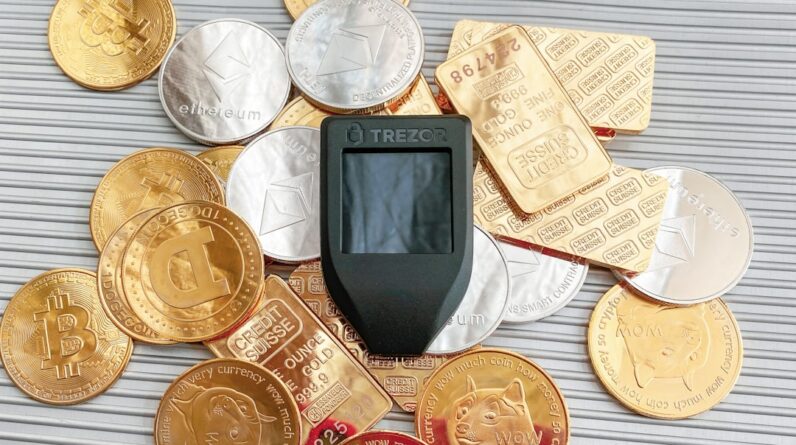
Before you can engage with DeFi platforms, you need to set up a crypto wallet. This wallet serves as your gateway to the world of cryptocurrencies and decentralized finance. There are several types of wallets available, including hardware wallets, software wallets, and mobile wallets.
Each type has its own advantages and disadvantages, so it’s essential to choose one that aligns with your needs. For instance, hardware wallets offer enhanced security for long-term storage, while software wallets provide easier access for frequent transactions. Once you’ve selected a wallet, the setup process typically involves downloading the wallet application or purchasing a hardware device.
You will then create a secure password and generate a recovery phrase—an essential step that allows you to recover your wallet if you lose access. It’s crucial to store this recovery phrase in a safe place, as anyone with access to it can control your funds. After setting up your wallet, you’ll be ready to fund it with cryptocurrency, which is necessary for participating in DeFi platforms.
Choosing the Right Decentralized Finance Platform

With your crypto wallet ready, the next step is to choose the right DeFi platform for your needs. The DeFi ecosystem is vast, with numerous platforms offering various services such as lending, borrowing, trading, and yield farming. To make an informed choice, consider factors such as the platform’s reputation, user interface, security features, and the specific services it offers.
Researching user reviews and community feedback can provide valuable insights into the platform’s reliability and performance. Additionally, it’s essential to evaluate the fees associated with each platform. Some platforms may charge transaction fees or take a percentage of your earnings, which can impact your overall returns.
Look for platforms that offer competitive rates while still providing robust features and security measures. By carefully assessing your options, you can select a DeFi platform that aligns with your financial goals and risk tolerance.
Depositing Crypto into the Platform
Once you’ve chosen a DeFi platform, the next step is to deposit cryptocurrency into your account. This process typically involves connecting your crypto wallet to the platform and transferring funds from your wallet to the platform’s smart contract. Depending on the platform, you may have the option to deposit various cryptocurrencies, so ensure that you select one that suits your investment strategy.
Before making a deposit, it’s wise to double-check the transaction details, including the amount and destination address. Blockchain transactions are irreversible; once you send your funds, there’s no way to retrieve them if you make an error. After confirming the transaction, you should see your funds reflected in your account shortly after the network processes it.
With your crypto deposited, you’re now ready to explore the various financial services offered by the platform.
Exploring Different Financial Services
DeFi platforms offer a wide array of financial services that can cater to different investment strategies and risk appetites. One of the most popular services is lending, where you can lend your cryptocurrency to others in exchange for interest payments. This can be an attractive option if you’re looking to earn passive income on your holdings.
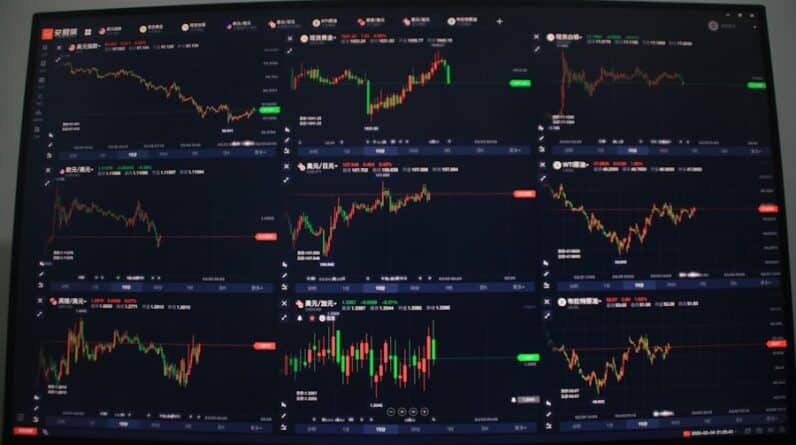
Similarly, borrowing allows you to leverage your assets by taking out loans against them while still retaining ownership. In addition to lending and borrowing, many DeFi platforms offer trading services that enable you to swap one cryptocurrency for another without relying on centralized exchanges. This feature often comes with lower fees and faster transaction times.
Yield farming is another exciting opportunity within DeFi; it involves providing liquidity to a platform in exchange for rewards or interest. By exploring these various services, you can diversify your investment portfolio and maximize your potential returns.
Managing and Monitoring Your Investments

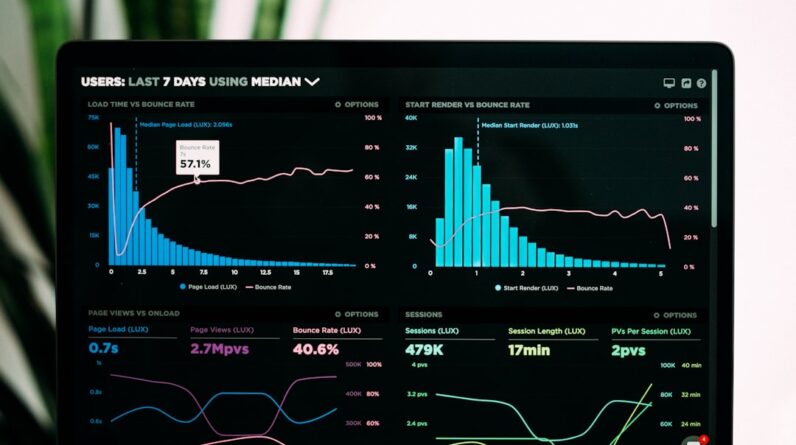
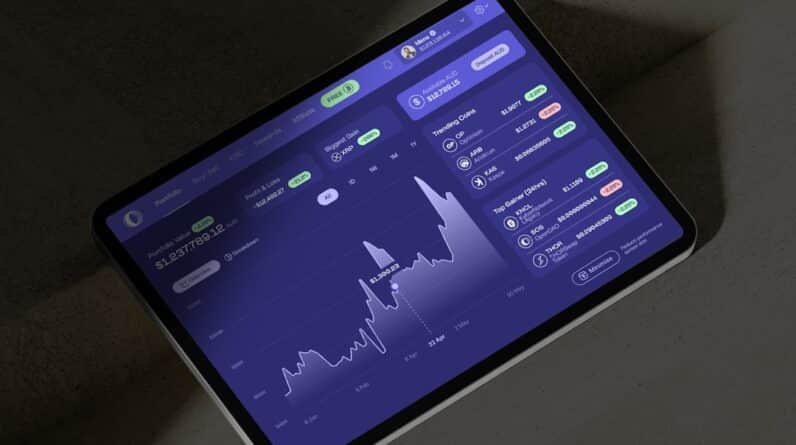
As you engage with DeFi platforms and explore different financial services, effective management of your investments becomes crucial. Regularly monitoring your portfolio allows you to stay informed about market trends and make timely decisions based on performance. Many DeFi platforms provide dashboards that display key metrics such as total value locked (TVL), interest rates, and historical performance data.
In addition to using platform tools, consider leveraging external portfolio management tools that aggregate data from multiple DeFi platforms into one interface. These tools can help you track your investments more efficiently and provide insights into how different assets are performing relative to one another. By actively managing and monitoring your investments, you can adapt your strategy as needed and optimize your returns in the ever-evolving DeFi landscape.
Withdrawing Funds from the Platform
When it comes time to withdraw funds from a DeFi platform, the process is generally straightforward but requires careful attention to detail. To initiate a withdrawal, you’ll typically navigate to the withdrawal section of the platform and specify the amount you wish to take out. After confirming the transaction details, you’ll need to authorize the withdrawal from your connected crypto wallet.
Keep in mind that withdrawal times can vary depending on network congestion and the specific platform’s processing times. It’s also important to be aware of any withdrawal fees that may apply; these fees can differ based on the cryptocurrency you’re withdrawing or the platform’s policies. Once you’ve completed the withdrawal process, check your wallet to ensure that the funds have arrived safely.
Staying Informed and Adapting to Market Changes
The world of decentralized finance is dynamic and constantly evolving; therefore, staying informed about market changes is essential for successful investing. Regularly following news sources, social media channels, and community forums dedicated to DeFi can help you keep up with emerging trends and developments in the space. Engaging with other investors can also provide valuable insights and perspectives that may influence your investment decisions.
Moreover, being adaptable is key in this fast-paced environment. Market conditions can shift rapidly due to various factors such as regulatory changes or technological advancements. By remaining vigilant and open to adjusting your strategy based on new information or market trends, you can better position yourself for success in the ever-changing landscape of decentralized finance.
Embracing continuous learning will empower you to navigate this exciting frontier with confidence and agility.
FAQs
What is decentralized finance (DeFi)?
Decentralized finance (DeFi) refers to the use of blockchain technology and cryptocurrencies to recreate traditional financial systems such as lending, borrowing, and trading in a decentralized manner, without the need for traditional intermediaries like banks.
What are some popular DeFi platforms?
Some popular DeFi platforms include Compound, Aave, Uniswap, and MakerDAO. These platforms offer various financial services such as lending, borrowing, and decentralized trading.
How can I use crypto for DeFi platforms?
To use crypto for DeFi platforms, you can start by acquiring cryptocurrencies such as Bitcoin or Ethereum from a cryptocurrency exchange. Once you have the cryptocurrencies, you can then use them as collateral for borrowing, provide liquidity for decentralized exchanges, or participate in yield farming.
What are the risks of using crypto for DeFi platforms?
Some of the risks of using crypto for DeFi platforms include smart contract vulnerabilities, price volatility of cryptocurrencies, and potential loss of funds due to hacks or security breaches. It’s important to thoroughly research and understand the risks before participating in DeFi activities.
What are the benefits of using crypto for DeFi platforms?
Using crypto for DeFi platforms can provide benefits such as access to financial services without the need for traditional intermediaries, potential for higher returns through yield farming and liquidity provision, and the ability to participate in a more open and inclusive financial system.