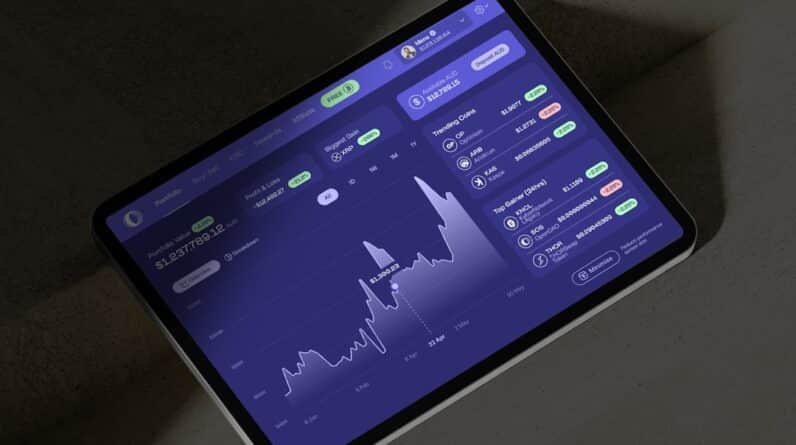
To embark on your journey into the world of cryptocurrency, it’s essential to grasp the fundamental concepts that underpin this digital revolution. At its core, cryptocurrency is a form of digital or virtual currency that uses cryptography for security. Unlike traditional currencies issued by governments, cryptocurrencies operate on decentralized networks based on blockchain technology.
This means that transactions are recorded on a public ledger, ensuring transparency and security while eliminating the need for intermediaries like banks. As you delve deeper into the realm of cryptocurrency, you’ll encounter various terms and concepts that are crucial to your understanding. For instance, you should familiarize yourself with terms like “mining,” which refers to the process of validating transactions and adding them to the blockchain, and “wallets,” which are digital tools that allow you to store and manage your cryptocurrencies.
Additionally, understanding the difference between coins and tokens is vital; while coins typically operate on their own blockchain (like Bitcoin), tokens are built on existing blockchains (like Ethereum). By grasping these basics, you’ll be better equipped to navigate the complexities of the cryptocurrency landscape.
Key Takeaways
- Cryptocurrency is a digital or virtual form of currency that uses cryptography for security and operates independently of a central bank.
- When choosing a cryptocurrency wallet, consider factors such as security features, user interface, and compatibility with different cryptocurrencies.
- Getting started with cryptocurrency exchanges involves creating an account, completing identity verification, and funding your account with fiat currency or other cryptocurrencies.
- Different investment options in cryptocurrency include buying and holding (HODL), staking, lending, and participating in initial coin offerings (ICOs) or token sales.
- Crypto trading strategies include day trading, swing trading, and long-term investing, each with its own risk and reward profile.
Choosing the Right Cryptocurrency Wallet
Selecting the right cryptocurrency wallet is a critical step in your cryptocurrency journey. Wallets come in various forms, each with its own advantages and disadvantages. You can choose between hardware wallets, software wallets, and even paper wallets, depending on your needs and preferences.
Hardware wallets, for instance, are physical devices that store your cryptocurrencies offline, providing an extra layer of security against online threats. If you prioritize security and plan to hold your assets long-term, a hardware wallet might be the best option for you. On the other hand, software wallets are more user-friendly and convenient for everyday transactions.
These wallets can be accessed via desktop or mobile applications, allowing you to send and receive cryptocurrencies with ease. However, they are more susceptible to hacking and malware attacks compared to hardware wallets. As you weigh your options, consider factors such as ease of use, security features, and whether you plan to trade frequently or hold your assets for an extended period.
By carefully evaluating your needs, you can choose a wallet that aligns with your cryptocurrency goals.
Getting Started with Cryptocurrency Exchanges

Once you have a wallet set up, the next step is to familiarize yourself with cryptocurrency exchanges. These platforms serve as marketplaces where you can buy, sell, and trade various cryptocurrencies. When selecting an exchange, it’s crucial to consider factors such as security measures, fees, user interface, and available cryptocurrencies.
Some exchanges cater to beginners with intuitive interfaces and educational resources, while others may be more suited for experienced traders looking for advanced features. To get started on an exchange, you’ll typically need to create an account and complete a verification process. This may involve providing personal information and identification documents to comply with regulatory requirements.
After your account is set up, you can fund it using traditional payment methods like bank transfers or credit cards. Once your account is funded, you can begin trading by placing buy or sell orders for your chosen cryptocurrencies. As you navigate this process, take the time to explore the various features offered by the exchange, such as limit orders and market orders, to enhance your trading experience.
Exploring Different Investment Options
As you become more comfortable with cryptocurrency trading, it’s essential to explore the various investment options available to you. Beyond simply buying and holding cryptocurrencies, there are numerous strategies you can employ to maximize your returns. For instance, you might consider dollar-cost averaging, where you invest a fixed amount of money at regular intervals regardless of market conditions.
This approach can help mitigate the impact of volatility and reduce the risk of making poor investment decisions based on short-term price fluctuations. Another investment option is staking, which involves participating in a proof-of-stake network by locking up your cryptocurrencies to support network operations in exchange for rewards. This method not only allows you to earn passive income but also contributes to the overall security and efficiency of the blockchain network.
Additionally, you may want to explore decentralized finance (DeFi) platforms that offer lending and borrowing services or yield farming opportunities. By diversifying your investment strategies and exploring different avenues within the cryptocurrency space, you can enhance your potential for growth while managing risk effectively.
Learning about Crypto Trading Strategies
To succeed in cryptocurrency trading, it’s vital to develop a solid understanding of various trading strategies that can help you navigate market fluctuations. One popular approach is technical analysis, which involves analyzing historical price charts and patterns to predict future price movements. By studying indicators such as moving averages, relative strength index (RSI), and Fibonacci retracements, you can make informed decisions about when to enter or exit trades.
Another strategy worth considering is fundamental analysis, which focuses on evaluating the underlying value of a cryptocurrency based on factors such as its technology, team, market demand, and competition. By staying informed about developments within specific projects and understanding their potential impact on price movements, you can make more strategic investment choices. Additionally, consider incorporating risk management techniques into your trading strategy, such as setting stop-loss orders to limit potential losses.
By combining different strategies and continuously refining your approach based on market conditions, you can enhance your chances of success in the dynamic world of cryptocurrency trading.
Understanding the Risks and Security Measures

While the potential rewards of investing in cryptocurrency can be enticing, it’s crucial to recognize the inherent risks involved in this volatile market. Price fluctuations can be extreme, leading to significant gains or losses in a short period. Therefore, it’s essential to approach cryptocurrency investing with caution and a well-thought-out strategy.
One way to mitigate risk is by diversifying your portfolio across different cryptocurrencies rather than concentrating your investments in a single asset. In addition to market risks, security is another critical aspect to consider when dealing with cryptocurrencies. Cybersecurity threats such as hacking and phishing attacks are prevalent in the crypto space.
To protect your assets, implement robust security measures such as enabling two-factor authentication (2FA) on your accounts and using strong passwords. Furthermore, consider storing your cryptocurrencies in a hardware wallet for added protection against online threats. By being proactive about security and understanding the risks involved in cryptocurrency investing, you can safeguard your assets while navigating this exciting yet unpredictable market.
Keeping Up with Cryptocurrency News and Trends
Staying informed about the latest news and trends in the cryptocurrency space is essential for making informed investment decisions. The crypto market is highly dynamic, with new developments occurring daily that can significantly impact prices and market sentiment. To keep up with these changes, consider following reputable news sources dedicated to cryptocurrency coverage.
Websites like CoinDesk and CoinTelegraph provide timely updates on market trends, regulatory changes, and technological advancements within the industry. In addition to news articles, engaging with online communities such as forums or social media groups can provide valuable insights from fellow investors and traders. Platforms like Twitter and Reddit often feature discussions about emerging projects or market predictions that can help shape your investment strategy.
By actively seeking out information and staying connected with the broader crypto community, you’ll be better equipped to navigate the ever-evolving landscape of cryptocurrency.
Seeking Professional Advice and Guidance
As you venture into the world of cryptocurrency investing, seeking professional advice can be a wise decision—especially if you’re new to this space or unsure about your investment strategy. Financial advisors who specialize in cryptocurrencies can provide personalized guidance tailored to your financial goals and risk tolerance. They can help you navigate complex topics such as tax implications related to crypto transactions or assist in developing a diversified investment portfolio.
Additionally, consider attending workshops or webinars focused on cryptocurrency education. These events often feature industry experts who share their insights and experiences in navigating the crypto market. By investing time in learning from professionals and gaining access to expert knowledge, you can enhance your understanding of cryptocurrency investing while making more informed decisions about your financial future.
In conclusion, entering the world of cryptocurrency requires a solid understanding of its fundamentals, careful selection of wallets and exchanges, exploration of investment options, and awareness of risks involved. By staying informed about market trends and seeking professional guidance when needed, you can navigate this exciting yet complex landscape with confidence. As you embark on this journey, remember that continuous learning and adaptation are key components of success in the ever-evolving world of cryptocurrency.
FAQs
What is cryptocurrency?
Cryptocurrency is a digital or virtual form of currency that uses cryptography for security and operates independently of a central bank.
How can I get into cryptocurrency?
You can get into cryptocurrency by opening an account on a cryptocurrency exchange, purchasing cryptocurrency with fiat currency, and storing it in a digital wallet.
What are some popular cryptocurrencies?
Some popular cryptocurrencies include Bitcoin, Ethereum, Ripple, Litecoin, and Bitcoin Cash.
Is it safe to invest in cryptocurrency?
Investing in cryptocurrency carries risks, including price volatility and security risks. It’s important to do thorough research and only invest what you can afford to lose.
What is a digital wallet?
A digital wallet is a software program that stores private and public keys and interacts with various blockchain to enable users to send and receive digital currency and monitor their balance.
Can I mine cryptocurrency?
Yes, you can mine cryptocurrency by using computer hardware to solve complex mathematical problems that validate and secure transactions on the blockchain. However, it requires significant computing power and energy consumption.