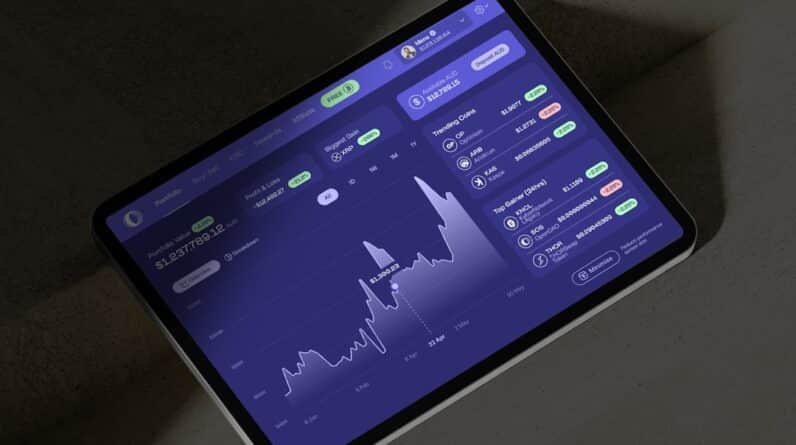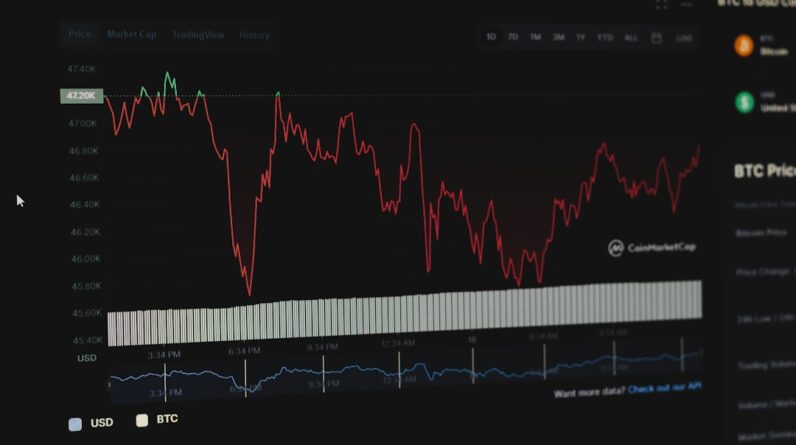
In recent years, the rise of cryptocurrency has transformed the landscape of financial transactions, leading to the emergence of crypto payment systems. These systems allow individuals and businesses to conduct transactions using digital currencies, such as Bitcoin, Ethereum, and many others. As you delve into this innovative realm, you will discover how these payment systems operate, their underlying technologies, and the implications they hold for the future of commerce.
The allure of crypto payments lies in their potential for decentralization, lower transaction fees, and increased accessibility, making them an attractive alternative to traditional banking methods. As you explore the world of crypto payment systems, you will encounter a variety of platforms and services designed to facilitate these transactions. From online merchants accepting cryptocurrencies to payment processors that convert digital currencies into fiat money, the ecosystem is rapidly evolving.
This article aims to provide you with a comprehensive understanding of crypto payment systems, their foundational technologies, and the benefits and challenges they present. By the end of this exploration, you will be better equipped to navigate the complexities of this digital financial landscape.
Key Takeaways
- Crypto payment systems allow for secure and decentralized transactions using digital currencies.
- Blockchain technology is the underlying technology that enables crypto payment systems to function.
- Cryptocurrency wallets store private keys and addresses that are used to send and receive digital currencies.
- Miners play a crucial role in validating and adding transactions to the blockchain in exchange for rewards.
- Security and privacy are key concerns in crypto payments, and users must take precautions to protect their assets.
Understanding Blockchain Technology
Immutable and Transparent Transactions
This structure ensures that once a transaction is recorded, it cannot be altered or deleted without consensus from the network participants. As you engage with this technology, you will appreciate its role in enhancing trust and security in financial transactions. Blockchain technology operates on principles of decentralization and transparency.
Decentralized and Efficient Transactions
Unlike traditional banking systems that rely on central authorities to validate transactions, blockchain allows for peer-to-peer interactions. This means that you can send or receive payments directly without intermediaries, reducing costs and increasing efficiency. Additionally, every participant in the network has access to the same information, which fosters accountability and minimizes the risk of fraud.
Expanding Applications Beyond Cryptocurrencies
As you delve deeper into blockchain, you will uncover its potential applications beyond cryptocurrencies, including supply chain management, healthcare, and voting systems.
Cryptocurrency Wallets and Addresses

To engage in crypto payments, you need a cryptocurrency wallet—a digital tool that allows you to store, send, and receive cryptocurrencies. When you set up a wallet, you are essentially creating a secure environment for your digital assets. There are various types of wallets available, including hardware wallets, software wallets, and online wallets.
Each type offers different levels of security and convenience, allowing you to choose one that best fits your needs. As you navigate this landscape, consider factors such as ease of use, security features, and compatibility with different cryptocurrencies. In addition to wallets, understanding cryptocurrency addresses is crucial for making transactions.
A cryptocurrency address is akin to an email address; it serves as a unique identifier that allows you to send and receive funds. When you want to make a payment, you simply input the recipient’s address into your wallet. It’s important to note that these addresses are typically long strings of alphanumeric characters, which can be daunting at first glance.
However, many wallets offer QR codes for easy scanning, simplifying the process for you. As you become more familiar with wallets and addresses, you’ll find that managing your cryptocurrencies becomes increasingly intuitive.
The Role of Miners in Crypto Transactions
Miners play a pivotal role in the functioning of cryptocurrency networks by validating transactions and adding them to the blockchain. When you initiate a transaction, it is broadcasted to the network where miners compete to solve complex mathematical problems that confirm the legitimacy of the transaction. This process is known as mining and requires significant computational power.
Once a miner successfully solves the problem, they create a new block containing your transaction and others, which is then added to the blockchain. In return for their efforts, miners are rewarded with newly minted coins and transaction fees. As you explore the mining process further, you’ll discover its implications for network security and integrity.
The competitive nature of mining ensures that no single entity can dominate the network or manipulate transactions. This decentralized approach enhances trust among users like yourself who rely on the system for secure transactions. However, mining also raises concerns about energy consumption and environmental impact due to the substantial computational resources required.
As discussions around sustainability continue to evolve, alternative consensus mechanisms such as proof-of-stake are gaining traction as potential solutions.
Security and Privacy in Crypto Payments
Security is paramount when it comes to crypto payments, as the digital nature of cryptocurrencies makes them susceptible to various threats. As you engage with crypto payment systems, it’s essential to understand the measures in place to protect your assets. Cryptographic techniques underpinning blockchain technology ensure that transactions are secure and tamper-proof.
Each transaction is signed with a private key unique to your wallet, providing an additional layer of security against unauthorized access. Privacy is another critical aspect of crypto payments that warrants your attention. While blockchain transactions are transparent and publicly accessible, they also offer varying degrees of anonymity depending on the cryptocurrency used.
For instance, Bitcoin transactions can be traced back to wallet addresses, potentially compromising user privacy. In contrast, privacy-focused cryptocurrencies like Monero employ advanced techniques to obscure transaction details. As you navigate this landscape, consider how different cryptocurrencies align with your privacy preferences and security needs.
Integration of Crypto Payment Systems in Businesses

The integration of crypto payment systems into businesses is gaining momentum as more merchants recognize the benefits of accepting digital currencies. By incorporating crypto payments into their operations, businesses can tap into a growing customer base that prefers using cryptocurrencies for transactions. As a consumer yourself, you may appreciate the convenience and speed that crypto payments offer compared to traditional methods.
Additionally, businesses can benefit from lower transaction fees associated with crypto payments compared to credit card processing fees. However, integrating crypto payment systems also presents challenges for businesses. Regulatory compliance is a significant concern as governments around the world grapple with how to regulate cryptocurrencies effectively.
Businesses must navigate these regulations while ensuring they provide a seamless experience for customers like yourself who wish to pay with digital currencies. Furthermore, volatility in cryptocurrency prices can pose risks for businesses accepting crypto payments; fluctuations in value may impact profit margins if not managed properly.
Advantages and Disadvantages of Using Crypto Payments
As you consider adopting crypto payments in your transactions or business operations, it’s essential to weigh both advantages and disadvantages carefully. One significant advantage is the potential for lower transaction fees compared to traditional banking methods. This cost-effectiveness can be particularly appealing for international transactions where currency conversion fees often apply.
Additionally, crypto payments can facilitate faster transactions since they operate 24/7 without the delays associated with traditional banking hours. On the flip side, there are notable disadvantages to consider as well. The volatility of cryptocurrencies can lead to unpredictable fluctuations in value, which may deter some users from adopting them for everyday transactions.
Furthermore, while blockchain technology offers enhanced security features, it is not entirely immune to risks such as hacking or phishing attacks targeting wallets and exchanges. As you navigate this landscape, it’s crucial to stay informed about both sides of the equation to make educated decisions regarding your engagement with crypto payments.
The Future of Crypto Payment Systems
Looking ahead, the future of crypto payment systems appears promising yet uncertain as technological advancements continue to shape this dynamic landscape. As more businesses adopt cryptocurrencies as a form of payment and regulatory frameworks evolve globally, you may witness increased mainstream acceptance of digital currencies in everyday transactions. Innovations such as stablecoins—cryptocurrencies pegged to stable assets—could address concerns about volatility while providing users like yourself with a reliable means of conducting transactions.
Moreover, advancements in blockchain technology may lead to enhanced scalability and efficiency in processing transactions. Solutions such as layer-two protocols aim to improve transaction speeds while reducing costs associated with on-chain transactions. As these developments unfold, you will likely see an expansion in the range of services offered by crypto payment platforms—making it easier than ever for individuals and businesses alike to engage with digital currencies confidently.
In conclusion, as you explore the world of crypto payment systems, you’ll find a complex yet fascinating interplay between technology, finance, and user experience. By understanding the underlying principles of blockchain technology, wallets, mining processes, security measures, and integration challenges faced by businesses today, you’ll be better equipped to navigate this evolving landscape confidently. The future holds exciting possibilities for crypto payments—one that could redefine how we perceive value and conduct transactions in an increasingly digital world.
FAQs
What is a crypto payment system?
A crypto payment system is a digital platform that allows users to make transactions using cryptocurrencies such as Bitcoin, Ethereum, or Litecoin.
How do crypto payment systems work?
Crypto payment systems work by using blockchain technology to securely and transparently process transactions. Users can send and receive payments using their unique cryptocurrency wallet addresses.
What are the benefits of using crypto payment systems?
Some benefits of using crypto payment systems include lower transaction fees, faster cross-border transactions, increased security and privacy, and the ability to bypass traditional banking systems.
Are crypto payment systems widely accepted?
While the acceptance of crypto payment systems is growing, they are not yet as widely accepted as traditional payment methods. However, many online retailers and businesses are starting to accept cryptocurrencies as a form of payment.
What are some popular crypto payment systems?
Some popular crypto payment systems include BitPay, Coinbase Commerce, and CoinGate. These platforms allow businesses to accept cryptocurrency payments from customers.