In the rapidly evolving world of cryptocurrency, one of the most significant barriers to entry is the lack of understanding and education surrounding digital currencies. You may find that many potential investors are deterred by the complex terminology and intricate mechanics that underpin blockchain technology. This lack of knowledge can lead to misconceptions and fears, preventing individuals from exploring the potential benefits of investing in cryptocurrencies.
Without a solid foundation in the basics, you might feel overwhelmed by the sheer volume of information available, making it challenging to discern credible sources from misleading ones. Moreover, educational resources on cryptocurrency are often scattered and inconsistent. While some platforms offer comprehensive guides and tutorials, others may present information that is either outdated or overly technical.
As a result, you may struggle to find reliable materials that cater to your level of understanding. This educational gap not only affects individual investors but also contributes to a broader skepticism about the legitimacy and viability of cryptocurrencies as an investment vehicle. To navigate this landscape effectively, it is crucial for you to seek out reputable educational resources and engage with communities that foster informed discussions about digital currencies.
Key Takeaways
- Lack of understanding and education about cryptocurrency can lead to uninformed decision making and potential financial losses.
- Volatility and market risks in the cryptocurrency space can result in sudden and significant changes in value, impacting investors and traders.
- Regulatory uncertainty surrounding cryptocurrency can create a lack of clarity and stability in the market, affecting investor confidence.
- Security concerns such as hacking and fraud pose a significant risk to cryptocurrency holders and can result in financial loss.
- Lack of trust in cryptocurrency due to its association with illegal activities and scams can deter potential investors and limit mainstream adoption.
Volatility and Market Risks
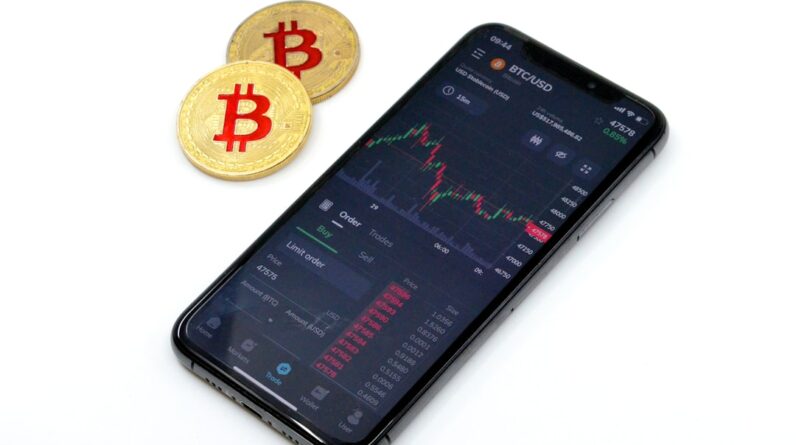
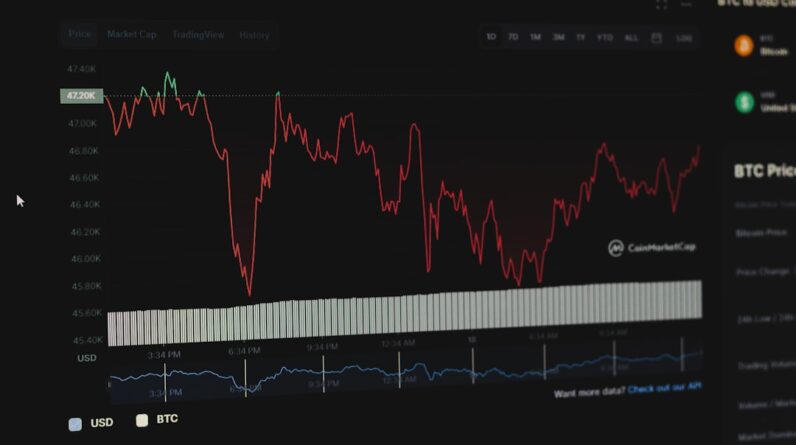
When you consider investing in cryptocurrency, one of the first aspects that may come to mind is the inherent volatility associated with these digital assets. The cryptocurrency market is notorious for its price fluctuations, which can be both exhilarating and terrifying. You might witness dramatic price swings within a single day, leading to significant gains or losses.
This volatility can create an environment of uncertainty, making it difficult for you to make informed investment decisions. The fear of losing your hard-earned money can be paralyzing, causing you to hesitate or avoid investing altogether. Additionally, the market risks associated with cryptocurrencies extend beyond mere price volatility.
Factors such as regulatory changes, technological advancements, and market sentiment can all influence the value of digital currencies. As an investor, you must remain vigilant and adaptable to these external influences. Understanding the broader economic landscape and how it interacts with the cryptocurrency market is essential for mitigating risks.
By staying informed and developing a robust risk management strategy, you can better navigate the unpredictable nature of cryptocurrency investments.
Regulatory Uncertainty

Regulatory uncertainty is another significant hurdle that you may encounter when considering cryptocurrency investments. Governments around the world are still grappling with how to classify and regulate digital currencies, leading to a patchwork of laws and guidelines that can vary dramatically from one jurisdiction to another. This lack of clarity can create confusion for investors like yourself, as you may be unsure about the legal implications of buying, selling, or holding cryptocurrencies in your country.
Furthermore, regulatory changes can have immediate and profound effects on the market. For instance, if a government decides to impose strict regulations on cryptocurrency exchanges or initial coin offerings (ICOs), you may see a sudden drop in market confidence and prices. Conversely, positive regulatory developments can lead to increased adoption and investment in cryptocurrencies.
As an investor, it is crucial for you to stay informed about regulatory trends and developments in your region, as these factors can significantly impact your investment strategy and overall success in the cryptocurrency space.
Security Concerns
Security concerns are paramount when it comes to investing in cryptocurrencies. As you delve into this digital realm, you may become acutely aware of the risks associated with hacking, fraud, and theft. High-profile incidents involving exchanges being compromised or wallets being drained can leave you feeling apprehensive about the safety of your investments.
The decentralized nature of cryptocurrencies means that there is often no central authority to turn to in case of a security breach, which can exacerbate your fears. To mitigate these security risks, it is essential for you to adopt best practices when managing your cryptocurrency holdings. This includes using hardware wallets for long-term storage, enabling two-factor authentication on your accounts, and being cautious about sharing personal information online.
By taking proactive measures to secure your assets, you can help protect yourself from potential threats while enjoying the benefits that cryptocurrencies have to offer.
Lack of Trust in Cryptocurrency
A pervasive lack of trust in cryptocurrency can significantly hinder your willingness to invest in this asset class. Many individuals still associate digital currencies with illicit activities or scams, which can create a negative perception that is difficult to overcome. You may find yourself questioning the legitimacy of various projects or platforms, leading to hesitation in committing your resources.
This skepticism is often fueled by sensationalized media coverage that highlights negative incidents while downplaying the positive developments within the industry. Building trust in cryptocurrency requires transparency and accountability from both projects and exchanges. As an investor, it is essential for you to conduct thorough research before engaging with any platform or asset.
Look for projects with clear use cases, reputable teams, and transparent communication channels. By aligning yourself with trustworthy entities and staying informed about industry developments, you can gradually build confidence in your investment decisions and contribute to a more positive perception of cryptocurrencies as a whole.
Limited Investment Options

When exploring investment opportunities in cryptocurrency, you may quickly realize that your options are somewhat limited compared to traditional asset classes. While there are thousands of cryptocurrencies available on various exchanges, not all of them are viable long-term investments. You might find yourself overwhelmed by the sheer number of choices, making it challenging to identify which assets align with your investment goals and risk tolerance.
Additionally, many cryptocurrencies are still in their infancy stages, lacking established track records or proven business models. This uncertainty can make it difficult for you to determine which projects have the potential for growth and which ones may ultimately fail. To navigate this landscape effectively, it is crucial for you to focus on established cryptocurrencies with strong fundamentals while remaining open to exploring promising new projects.
By diversifying your portfolio and conducting thorough research, you can enhance your chances of success in the cryptocurrency market.
High Transaction Fees
As you engage with cryptocurrency platforms, one aspect that may catch your attention is the high transaction fees associated with certain networks. Depending on the cryptocurrency you choose to use, transaction costs can vary significantly and may become a barrier to entry for many investors. You might find that during periods of high demand or network congestion, fees can skyrocket, making small transactions economically unfeasible.
These high transaction fees can be particularly frustrating if you’re looking to make frequent trades or small purchases. As an investor, it’s essential for you to consider these costs when planning your trading strategy. Exploring alternative cryptocurrencies with lower fees or utilizing layer-two solutions can help mitigate this issue.
By being mindful of transaction costs and seeking out more cost-effective options, you can maximize your investment potential while minimizing unnecessary expenses.
Difficulty in Accessing Cryptocurrency Platforms
Finally, accessing cryptocurrency platforms can pose challenges for many individuals interested in investing in digital currencies. Depending on where you live, you may encounter restrictions or limitations when trying to create accounts on exchanges or wallets. These barriers can be particularly frustrating if you’re eager to enter the market but find yourself facing obstacles that hinder your progress.
Moreover, even when access is granted, navigating these platforms can be daunting due to their complex interfaces and varying levels of user-friendliness. You might feel overwhelmed by the multitude of features and options available, leading to confusion about how to execute trades or manage your assets effectively. To overcome these challenges, it is essential for you to take the time to familiarize yourself with different platforms before committing your funds.
Look for user-friendly exchanges that offer educational resources and customer support to help guide you through the process. By doing so, you can enhance your overall experience and make informed decisions as you embark on your cryptocurrency investment journey.
FAQs
What are some common barriers to investing in cryptocurrency?
Some common barriers to investing in cryptocurrency include regulatory uncertainty, security concerns, lack of understanding of the technology, and volatility in the market.
How does regulatory uncertainty impact investing in cryptocurrency?
Regulatory uncertainty can impact investing in cryptocurrency by creating a lack of clarity around the legal and tax implications of investing in digital assets. This can make it difficult for investors to feel confident in their decision to invest in cryptocurrency.
What are the security concerns associated with investing in cryptocurrency?
Security concerns in cryptocurrency investing include the risk of hacking, fraud, and theft. Investors may worry about the safety of their digital assets and the potential for unauthorized access to their cryptocurrency holdings.
How does the lack of understanding of the technology act as a barrier to investing in cryptocurrency?
The complex and technical nature of cryptocurrency and blockchain technology can act as a barrier to investing for individuals who do not have a deep understanding of how these technologies work. This lack of understanding can lead to hesitation or reluctance to invest in cryptocurrency.
How does market volatility impact investing in cryptocurrency?
The high volatility of the cryptocurrency market can be a barrier to investing for some individuals, as it can lead to significant price fluctuations and potential for financial loss. This volatility can make it difficult for investors to predict and manage their investment risks.