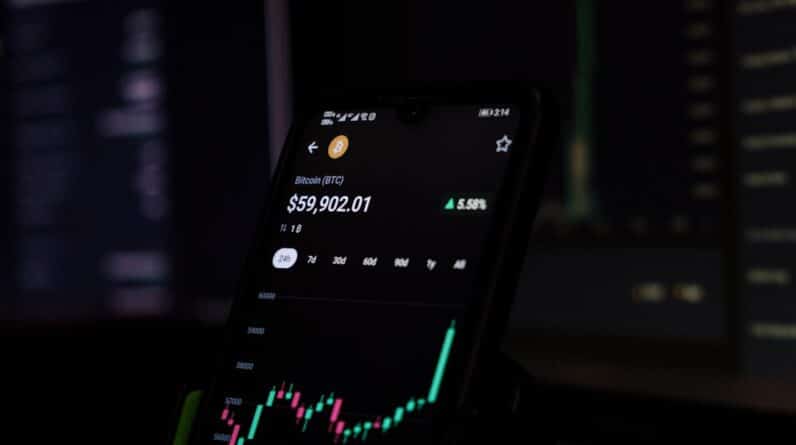
In the ever-evolving landscape of cryptocurrency, margin trading has emerged as a powerful tool for traders seeking to amplify their potential profits. If you’re looking to delve into this dynamic world, understanding the fundamentals of crypto margin trading is essential. Margin trading allows you to borrow funds to increase your trading position beyond what your own capital would allow.
This means that with a relatively small amount of your own money, you can control a much larger position in the market, potentially leading to significant gains—or losses. As you embark on your journey into crypto margin trading, it’s crucial to grasp the underlying principles and mechanics that govern this practice. The allure of higher returns can be enticing, but it also comes with increased risk.
Therefore, a solid understanding of how margin trading works, the tools at your disposal, and the strategies you can employ will be vital in navigating this complex environment. By equipping yourself with knowledge, you can make informed decisions that align with your financial goals and risk tolerance.
Key Takeaways
- Crypto margin trading allows traders to borrow funds in order to increase their buying power and potentially amplify their profits.
- Leverage and margin are essential concepts in margin trading, allowing traders to control larger positions with a smaller amount of capital.
- Opening a margin trading account involves completing a margin agreement and depositing funds as collateral.
- Different types of orders, such as market orders and limit orders, can be used in margin trading to execute trades at specific prices.
- Risk management is crucial in crypto margin trading, including setting stop-loss orders and avoiding over-leveraging to minimize potential losses.
Understanding Leverage and Margin
At the heart of margin trading lies the concept of leverage, which allows you to control a larger position than your initial investment. When you use leverage, you essentially borrow funds from a broker or exchange to increase your buying power. For instance, if you have $1,000 and use 10x leverage, you can trade with $10,000.
This magnifies both your potential profits and losses, making it a double-edged sword. Understanding how leverage works is crucial for any trader looking to engage in margin trading. Margin, on the other hand, refers to the amount of money you need to deposit in order to open a leveraged position.
This is often expressed as a percentage of the total trade size. For example, if you want to open a position worth $10,000 with 10x leverage, you would need to deposit $1,000 as margin. It’s important to note that while leverage can enhance your profits, it also increases your exposure to risk.
If the market moves against your position, you could face significant losses that exceed your initial investment. Therefore, understanding how to manage leverage and margin effectively is key to successful trading.
How to Open a Margin Trading Account
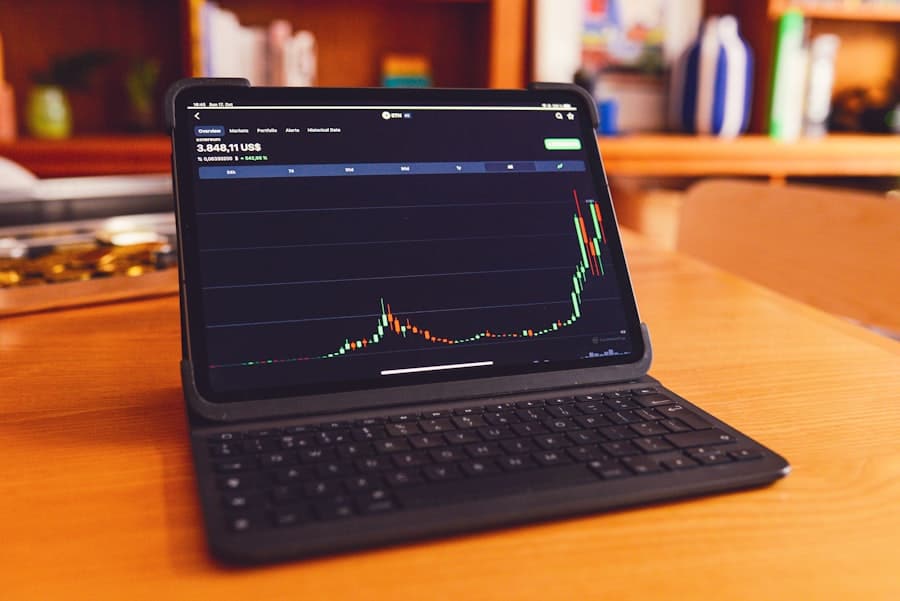
Opening a margin trading account is a straightforward process, but it requires careful consideration and preparation. First, you’ll need to choose a reputable cryptocurrency exchange that offers margin trading services. Look for platforms that provide robust security measures, a user-friendly interface, and competitive fees.
Once you’ve selected an exchange, you’ll need to create an account by providing personal information and verifying your identity. This step is crucial for compliance with regulatory requirements and helps ensure the safety of your funds. After your account is set up and verified, you’ll need to fund it with capital that you intend to use for margin trading.
Depending on the exchange, you may have the option to deposit various cryptocurrencies or fiat currencies. Once your account is funded, you can apply for margin trading privileges. This may involve agreeing to specific terms and conditions set by the exchange, including acknowledging the risks associated with margin trading.
Once approved, you’ll be ready to start trading with leverage and exploring the opportunities that margin trading presents.
Types of Orders in Margin Trading
When engaging in margin trading, understanding the different types of orders available is essential for executing your trading strategy effectively. The most common order types include market orders, limit orders, and stop-loss orders. A market order allows you to buy or sell a cryptocurrency at the current market price, ensuring immediate execution but potentially at a less favorable price during volatile market conditions.
Limit orders, on the other hand, enable you to specify the price at which you want to buy or sell an asset. This can be particularly useful in margin trading as it allows you to set entry and exit points based on your analysis of market trends. By using limit orders, you can avoid slippage and ensure that your trades are executed at your desired price level.
Additionally, stop-loss orders are crucial for managing risk; they automatically close your position when the price reaches a predetermined level, helping to limit potential losses.
Risk Management in Crypto Margin Trading
Risk management is a critical aspect of successful crypto margin trading that cannot be overlooked. Given the inherent volatility of cryptocurrency markets, employing effective risk management strategies is essential for protecting your capital and minimizing losses. One fundamental principle is to never risk more than a small percentage of your total trading capital on a single trade—typically no more than 1-2%.
This approach helps ensure that even if a trade goes against you, it won’t significantly impact your overall portfolio. Another important risk management technique is setting stop-loss orders for every trade you enter. By establishing a clear exit point in advance, you can protect yourself from unexpected market movements that could lead to substantial losses.
Additionally, diversifying your trades across different cryptocurrencies can help mitigate risk; by not putting all your eggs in one basket, you reduce the impact of adverse price movements in any single asset. Ultimately, developing a comprehensive risk management plan tailored to your trading style and risk tolerance is vital for long-term success in margin trading.
Fees and Costs Associated with Margin Trading
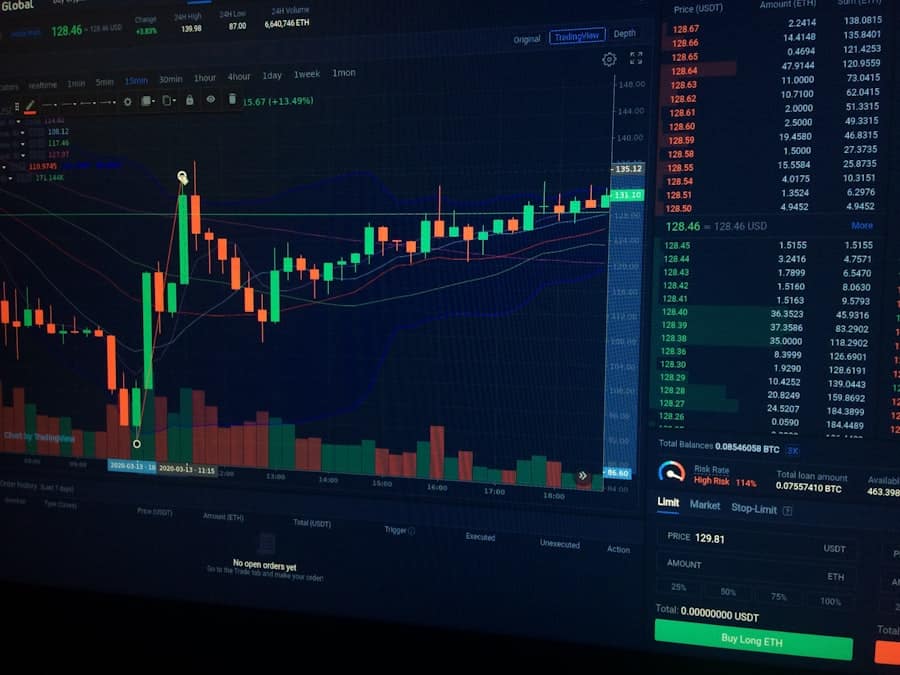
Before diving into crypto margin trading, it’s essential to understand the various fees and costs associated with this practice. Most exchanges charge interest on borrowed funds when using leverage; this interest rate can vary significantly between platforms and may depend on factors such as market conditions and the specific cryptocurrency being traded. It’s crucial to factor these costs into your overall trading strategy since they can eat into your profits over time.
In addition to interest fees, many exchanges impose trading fees for executing buy or sell orders. These fees can be structured as a flat rate or as a percentage of the trade value. Some platforms offer reduced fees for high-volume traders or those who hold native tokens associated with the exchange.
Be sure to review the fee structure of any exchange you’re considering for margin trading so that you can accurately assess how these costs will impact your profitability.
Popular Crypto Margin Trading Platforms
As the popularity of crypto margin trading continues to grow, numerous platforms have emerged to cater to traders’ needs. Some of the most well-known exchanges offering margin trading include Binance, Bitfinex, and Kraken. Each platform has its unique features and advantages; for instance, Binance is renowned for its extensive selection of cryptocurrencies and competitive fees, while Bitfinex offers advanced trading tools and high liquidity.
When choosing a platform for margin trading, consider factors such as security measures, user experience, available cryptocurrencies for margin trading, and customer support options. Additionally, take note of any specific requirements or restrictions related to margin trading on each platform. By conducting thorough research and selecting a platform that aligns with your trading goals and preferences, you can set yourself up for success in the world of crypto margin trading.
Tips for Successful Crypto Margin Trading
To thrive in crypto margin trading, it’s essential to adopt effective strategies and practices that enhance your chances of success. One key tip is to stay informed about market trends and news that could impact cryptocurrency prices. By keeping abreast of developments in the crypto space—such as regulatory changes or technological advancements—you can make more informed decisions about when to enter or exit trades.
Another important aspect is maintaining discipline in your trading approach. Establish clear entry and exit points based on thorough analysis rather than emotional reactions to market fluctuations. Stick to your risk management plan and avoid over-leveraging; while it may be tempting to maximize profits by using high leverage, doing so increases your exposure to significant losses.
Finally, consider practicing with a demo account before committing real funds; this allows you to familiarize yourself with the mechanics of margin trading without risking your capital. In conclusion, crypto margin trading offers exciting opportunities for traders willing to navigate its complexities and risks. By understanding key concepts such as leverage and margin, opening an appropriate account, utilizing various order types effectively, managing risk diligently, being aware of associated costs, selecting reputable platforms wisely, and adopting disciplined strategies, you can enhance your chances of success in this dynamic market.
As with any investment endeavor, continuous learning and adaptation are vital components of achieving long-term profitability in crypto margin trading.
FAQs
What is crypto margin trading?
Crypto margin trading is a method of trading assets using funds provided by a third party. It allows traders to access larger sums of capital to leverage their positions and potentially increase their returns.
How do crypto margin trading platforms work?
Crypto margin trading platforms allow users to borrow funds to trade assets, using their existing capital as collateral. Traders can enter into leveraged positions, amplifying both potential gains and losses.
What are the risks of using crypto margin trading platforms?
The main risk of using crypto margin trading platforms is the potential for significant losses. Because traders are using borrowed funds, they can incur losses that exceed their initial investment. It’s important for traders to understand the risks and use risk management strategies.
What are the benefits of using crypto margin trading platforms?
The main benefit of using crypto margin trading platforms is the ability to access larger sums of capital to leverage trading positions. This can potentially lead to higher returns on successful trades.
How are funds secured on crypto margin trading platforms?
Funds on crypto margin trading platforms are secured through the use of collateral. Traders must maintain a certain level of collateral to support their leveraged positions, and platforms may use margin calls or liquidation to protect against losses.
Are crypto margin trading platforms regulated?
Regulation of crypto margin trading platforms varies by jurisdiction. Some platforms may operate under regulatory frameworks, while others may not be subject to specific regulations. Traders should research the regulatory status of a platform before using it.