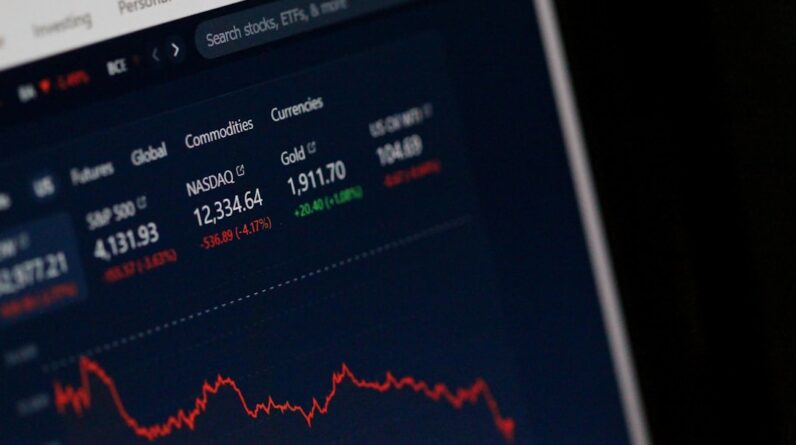
To navigate the complex world of investing, you must first grasp the fundamentals of market analysis. This process involves examining various factors that influence market trends, including economic indicators, industry performance, and investor sentiment. By understanding these elements, you can make informed decisions that align with your financial goals.
Market analysis can be broadly categorized into two types: fundamental analysis and technical analysis. Fundamental analysis focuses on the intrinsic value of an asset, evaluating its financial health, earnings potential, and overall market position. On the other hand, technical analysis relies on historical price movements and trading volumes to predict future price trends.
As you delve deeper into market analysis, you will find that it is not merely about crunching numbers or interpreting charts. It requires a keen understanding of the broader economic landscape and how various factors interconnect. For instance, changes in interest rates can significantly impact stock prices, while geopolitical events may lead to market volatility.
By staying attuned to these dynamics, you can better anticipate market movements and adjust your investment strategies accordingly. Ultimately, a solid grasp of market analysis will empower you to make more strategic decisions and enhance your overall investment performance.
Key Takeaways
- Market analysis is crucial for making informed investment decisions
- Diversifying your portfolio helps spread risk and maximize returns
- Advanced trading strategies can help optimize investment performance
- Identifying and evaluating ICOs requires thorough research and due diligence
- Implementing risk management techniques is essential for protecting your investment
Diversifying Your Portfolio
Diversification is a cornerstone of sound investment strategy, and it is essential for mitigating risk while maximizing potential returns. By spreading your investments across various asset classes—such as stocks, bonds, real estate, and commodities—you can reduce the impact of any single investment’s poor performance on your overall portfolio. This approach not only helps to cushion against market volatility but also allows you to capitalize on different growth opportunities that may arise in various sectors.
When considering how to diversify your portfolio, think about your risk tolerance and investment objectives. If you are more risk-averse, you might lean towards a higher allocation in bonds or dividend-paying stocks, which tend to be more stable. Conversely, if you are willing to take on more risk for the potential of higher returns, you might allocate a larger portion of your portfolio to growth stocks or emerging markets.
Additionally, consider geographic diversification by investing in international markets, which can provide exposure to different economic cycles and reduce your dependence on any single economy.
Utilizing Advanced Trading Strategies

As you become more comfortable with the basics of investing, you may want to explore advanced trading strategies that can enhance your returns. These strategies often involve a deeper understanding of market mechanics and may include techniques such as swing trading, day trading, or options trading. Swing trading involves holding positions for several days or weeks to capitalize on short-term price movements, while day trading requires executing multiple trades within a single day to profit from intraday fluctuations.
Options trading is another advanced strategy that allows you to leverage your investments by controlling larger positions with a smaller amount of capital. By purchasing options contracts, you can speculate on the future price movements of an asset without actually owning it. However, it is crucial to understand the risks involved with these strategies, as they can lead to significant losses if not executed properly.
As you explore these advanced techniques, consider paper trading or using a demo account to practice without risking real capital until you feel confident in your abilities.
Identifying and Evaluating ICOs
In recent years, Initial Coin Offerings (ICOs) have emerged as a popular method for startups to raise capital through cryptocurrency. As an investor, identifying and evaluating promising ICOs can present lucrative opportunities; however, it also comes with inherent risks. To successfully navigate this space, you must conduct thorough research on the project’s whitepaper, team members, and overall market potential.
A well-written whitepaper should clearly outline the project’s goals, technology, and use case while providing transparency about token distribution and funding allocation. Additionally, assessing the credibility of the team behind the ICO is crucial. Look for experienced professionals with a proven track record in their respective fields.
Engaging with the community through social media platforms or forums can also provide valuable insights into the project’s reputation and potential for success. Keep in mind that the ICO landscape is rife with scams and poorly conceived projects; therefore, exercising due diligence is essential before committing your funds.
Implementing Risk Management Techniques
Effective risk management is vital for preserving your capital and ensuring long-term success in investing. One of the most fundamental techniques is setting stop-loss orders, which automatically sell your assets when they reach a predetermined price point. This strategy helps limit potential losses and protects your portfolio from significant downturns.
Additionally, consider employing position sizing techniques to determine how much capital to allocate to each investment based on your risk tolerance and overall portfolio size. Another important aspect of risk management is regularly reviewing and rebalancing your portfolio. Market conditions change over time, and certain assets may become overvalued or undervalued as a result.
By periodically assessing your investments and making necessary adjustments, you can maintain a balanced portfolio that aligns with your financial goals. Furthermore, diversifying across different asset classes can also serve as a risk management tool by reducing exposure to any single investment’s volatility.
Leveraging Derivatives and Options

Derivatives and options are powerful financial instruments that can enhance your investment strategy when used wisely. Derivatives are contracts whose value is derived from an underlying asset, such as stocks or commodities. They can be used for hedging purposes or to speculate on price movements without directly owning the asset.
Options, a specific type of derivative, give you the right—but not the obligation—to buy or sell an asset at a predetermined price within a specified timeframe. Utilizing derivatives and options can provide significant leverage in your trading strategy; however, it is essential to understand the complexities involved. The potential for high returns comes with increased risk, as losses can also be magnified if the market moves against you.
Therefore, it is crucial to have a solid grasp of how these instruments work before incorporating them into your investment approach. Consider starting with simpler strategies like covered calls or protective puts before venturing into more complex derivatives trading.
Staying Informed on Regulatory Changes
The financial landscape is constantly evolving, influenced by regulatory changes that can impact your investments significantly. Staying informed about these developments is crucial for making sound investment decisions. Regulatory bodies often introduce new rules or amend existing ones in response to market conditions or emerging technologies.
For instance, changes in tax laws or securities regulations can affect how you manage your portfolio or report earnings. To keep abreast of regulatory changes, consider subscribing to financial news outlets or following industry experts on social media platforms. Engaging with online communities focused on investing can also provide valuable insights into how regulations may impact specific sectors or asset classes.
By remaining vigilant about regulatory developments, you can better anticipate potential risks and opportunities that may arise in the market.
Building a Long-Term Investment Strategy
Ultimately, building a long-term investment strategy is essential for achieving financial independence and securing your future. This approach involves setting clear financial goals and developing a plan that aligns with those objectives while considering your risk tolerance and time horizon. A well-structured long-term strategy typically includes a diversified portfolio that balances growth-oriented investments with more stable assets.
As you embark on this journey, remember that patience is key. The markets will experience fluctuations over time; however, maintaining a long-term perspective will help you weather short-term volatility and capitalize on compounding returns. Regularly reviewing your investment strategy and making adjustments as needed will ensure that you stay on track toward achieving your financial goals while adapting to changing market conditions.
In conclusion, mastering the art of investing requires a multifaceted approach that encompasses market analysis, diversification, advanced strategies, risk management techniques, regulatory awareness, and long-term planning. By equipping yourself with knowledge and remaining adaptable in an ever-changing landscape, you can enhance your investment acumen and work towards achieving financial success over time.
FAQs
What are advanced crypto investing techniques?
Advanced crypto investing techniques refer to the more complex and sophisticated strategies used by experienced investors to maximize their returns in the cryptocurrency market. These techniques often involve a deep understanding of market trends, technical analysis, and risk management.
What are some examples of advanced crypto investing techniques?
Some examples of advanced crypto investing techniques include margin trading, options trading, algorithmic trading, and using leverage to amplify potential gains (or losses). These techniques require a high level of knowledge and experience in the cryptocurrency market.
What are the risks associated with advanced crypto investing techniques?
Advanced crypto investing techniques come with a higher level of risk compared to traditional investing strategies. The use of leverage and margin trading, for example, can amplify both gains and losses. Additionally, the cryptocurrency market is known for its volatility, which can further increase the risks associated with advanced techniques.
Who should consider using advanced crypto investing techniques?
Advanced crypto investing techniques are best suited for experienced investors who have a deep understanding of the cryptocurrency market, are comfortable with taking on higher levels of risk, and have the financial means to withstand potential losses. These techniques are not recommended for novice investors or those with a low risk tolerance.
What are some resources for learning about advanced crypto investing techniques?
There are numerous online resources, including courses, webinars, and forums, where investors can learn about advanced crypto investing techniques. Additionally, books, podcasts, and reputable financial websites often provide valuable insights and information on these strategies. It’s important to thoroughly research and understand any technique before implementing it in your investment strategy.