What’s more valuable to you than your cryptocurrency holdings? It’s that sense of security knowing that your investments are safe and sound. With the rise of decentralized finance (DeFi) and smart contracts, users like you are afforded immense opportunities but also face several vulnerabilities. In this guide, you’ll learn how to protect your cryptocurrency against potential exploits and vulnerabilities in the world of DeFi.

Understanding Smart Contracts and DeFi
What Are Smart Contracts?
Smart contracts are self-executing contracts with the terms of the agreement between buyer and seller being directly written into lines of code. You can think of them as digital agreements that automatically enforce and execute the terms once certain conditions are met.
The Role of DeFi in Cryptocurrency
Decentralized Finance, or DeFi, refers to financial services provided on the blockchain that operates without intermediaries like banks. This opens up your options for lending, borrowing, trading, and earning interest. However, the absence of traditional safeguards makes it crucial for you to understand risks involved.
Potential Vulnerabilities in Smart Contracts
Coding Errors and Bugs
Just like any software, smart contracts can have bugs or coding errors. These vulnerabilities can be exploited, resulting in the loss of funds. You need to research and ensure that the protocols you engage with have undergone rigorous testing and auditing.
Examples of Coding Issues
| Vulnerability Type | Description |
|---|---|
| Reentrancy Attacks | This happens when a contract calls an external function, which can then call back into the original contract, causing unintended behavior. |
| Integer Overflow | When calculations exceed the limit an integer can hold, leading to unexpected results. |
| Gas Limit and Loops | If a contract requires more gas than permitted for execution, it can fail, causing your transaction to revert. |
Lack of Auditing
It’s essential to ensure that the DeFi projects you invest in have undergone credible, third-party audits. Many projects skip this critical step to save costs or hurrying their launch. This is a major red flag! Always check for the presence of an audited codebase to keep your holdings secure.
Centralization Risks
Although DeFi aims to eliminate central authorities, some projects still retain centralized features. This can expose you to risks if the project’s team retains control over critical functions. Understanding who governs the project can help you assess the risk.
How to Secure Your Cryptocurrency in DeFi
Use Reputable Wallets
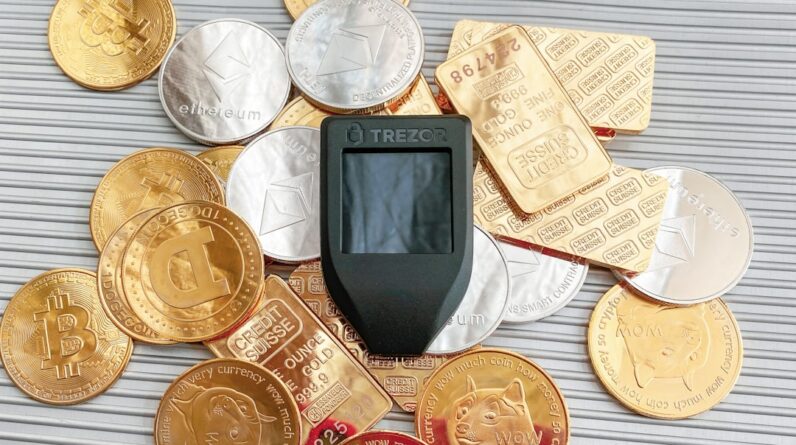
Choosing the right wallet is your first line of defense. Selecting a highly-rated hardware wallet or a trusted software wallet helps keep your private keys secure from hackers.
Recommendations for Wallets
| Wallet Type | Pros | Cons |
|---|---|---|
| Hardware Wallet | Physical storage; less prone to hacks | More expensive than software |
| Software Wallet | User-friendly and free; accessible | Vulnerable to phishing attacks |
| Multi-Signature | Requires multiple signatures to authorize a transaction | Can be cumbersome to use |
Conduct Thorough Research
Before investing in any DeFi project, take your time to conduct comprehensive research. Join community forums, Twitter discussions, and read whitepapers. Understanding a project’s fundamentals will help you gauge its credibility.
Diversification
This age-old investment strategy applies to cryptocurrencies just as much. By diversifying your portfolio, you minimize risk. If one investment fails, the others can help cushion the blow. You can consider allocating your investments across different protocols and assets.
Practical Steps to Protect Your Holdings
Use Two-Factor Authentication (2FA)
Enable two-factor authentication on all platforms where you store cryptocurrency. This adds an extra layer of security, making it harder for hackers to gain access to your accounts.
Stay Updated on Security Practices
The cryptocurrency and DeFi landscapes evolve rapidly. Regularly update yourself on the latest security practices, tools, and trends. Websites, newsletters, and cryptocurrency forums can provide valuable insights.
Be Wary of Phishing Attacks
Phishing attacks are among the most common methods hackers use to access your funds. Always verify URLs before entering sensitive information. Look for HTTPS in the URL as a simple security measure.
Use Decentralized Exchanges (DEXs)
While centralized exchanges have their advantages, they are often targeted by hackers. Consider using decentralized exchanges for trading, where you maintain control over your private keys.

Assessing DeFi Projects
Roadmap and Transparency
One way to judge a DeFi project’s potential is by reviewing its roadmap and transparency. A down-to-earth and comprehensive roadmap reflects a project’s long-term vision, while transparency establishes trust. You want to make sure that the project emits open and clear information about its operations and future plans.
Community Feedback
Community involvement can signal the capacity of a DeFi protocol to weather challenges effectively. Follow forums, Reddit discussions, and social media channels to gather genuine user feedback that expresses the collective sentiment surrounding the project.
Tokenomics
Understanding tokenomics helps you evaluate the financial model supporting the DeFi project. Look for crucial factors such as:
- Supply and Distribution
- Use Cases
- Incentives for Holding Tokens
This information provides insight into how well the project might perform in the long run.
DeFi Insurance: A Safety Net?
What Is DeFi Insurance?
DeFi insurance is a relatively new concept designed to protect against potential smart contract hacks or vulnerabilities. Think of it as a safety net that can reimburse you if your assets are compromised due to specific incidents defined in the policy.
Evaluating DeFi Insurance Options
Not every DeFi insurance provider has the same credibility. Consider the following when evaluating options:
- Coverage: What incidents are covered? Always double-check the details.
- Claim Process: Ensure that the claiming process is straightforward and transparent.
- Reputation: Research insurance providers and look for user reviews and experiences.

Staying Ahead of the Curve
Continual Learning
Taking ownership of your financial future involves continual learning. There are numerous resources available, including online courses, webinars, and podcasts, geared toward enhancing your understanding of DeFi and cryptocurrency safety.
Join Crypto Communities
Engage with communities where like-minded individuals share valuable insights. Being part of a community can help you learn while also keeping you informed about potential risks and vulnerabilities.
Stay Informed with News
Follow reputable sources for the latest news related to the cryptocurrency sector. Websites like CoinDesk, Decrypt, or even Twitter accounts from credible sources serve as great ways to remain updated on new vulnerabilities and solutions.
The Future of Security in DeFi
Emerging Technologies
The DeFi landscape is constantly evolving, and so are security measures. Technologies like multi-signature wallets, zero-knowledge proofs, and advanced auditing tools are becoming increasingly relevant. Keeping an eye on such developments will position you better for future risks.
Regulatory Landscape
As DeFi continues to grow, expect increasing scrutiny from regulatory bodies. Future regulations may establish new standards for security and transactions, offering more protections for users like you. Stay informed about these changes!

Conclusion
Protecting your cryptocurrency holdings in an age where vulnerabilities abound requires vigilance, curiosity, and proactivity. You have the tools to manage your investments smartly and securely; it’s a matter of applying them. By understanding the unique risks associated with smart contracts and DeFi protocols and implementing best practices for security and research, you can navigate this exciting yet volatile landscape.
It’s about arming yourself with knowledge. You have the power to safeguard your assets, turn challenges into opportunities, and shape your financial future. Continue learning, stay connected, and remember: a secure crypto journey starts with informed choices.