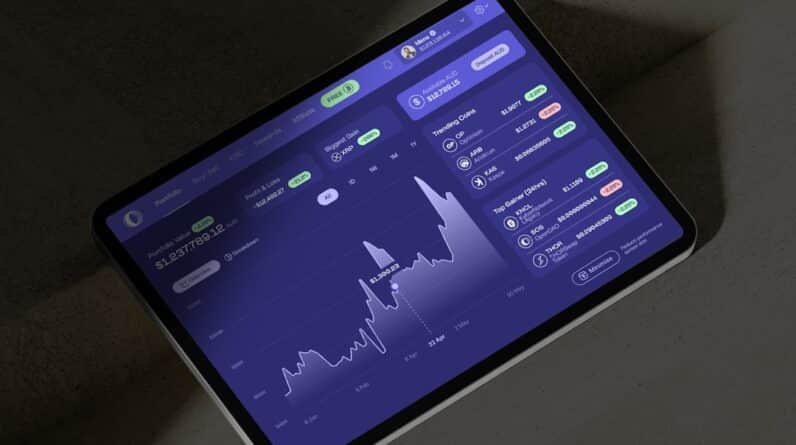
In recent years, the landscape of financial transactions has undergone a significant transformation, largely due to the advent of cryptocurrency payment solutions. As you navigate this evolving terrain, you may find yourself intrigued by the potential these digital currencies hold for both consumers and businesses alike. Crypto payment solutions offer a decentralized alternative to traditional banking systems, enabling users to conduct transactions without the need for intermediaries.
This shift not only enhances the speed and efficiency of transactions but also opens up new avenues for global commerce. As you delve deeper into the world of crypto payments, you’ll discover that these solutions are not merely a passing trend but rather a fundamental change in how we perceive and engage with money. With the rise of Bitcoin, Ethereum, and countless other cryptocurrencies, you are witnessing a paradigm shift that challenges conventional financial norms.
The allure of lower transaction fees, increased privacy, and the ability to transact across borders with ease makes crypto payment solutions an attractive option for many. However, as with any innovation, it is essential to understand both the benefits and challenges that come with adopting this new form of currency.
Key Takeaways
- Crypto payment solutions offer a secure and efficient way to conduct transactions using digital currencies.
- Blockchain technology is the underlying technology that enables crypto payment solutions to function in a decentralized and transparent manner.
- Cryptocurrency wallets store private keys that are used to access and manage digital assets, while addresses are used to send and receive funds.
- Cryptographic keys play a crucial role in securing transactions and ensuring that only authorized parties can access and transfer digital assets.
- Transaction verification and confirmation are essential steps in the crypto payment process to ensure the accuracy and legitimacy of transactions.
Understanding Blockchain Technology
At the heart of cryptocurrency payment solutions lies blockchain technology, a revolutionary system that underpins the operation of digital currencies. As you explore this technology, you’ll find that it functions as a decentralized ledger, recording all transactions across a network of computers. This means that every transaction is transparent and immutable, providing a level of security and trust that traditional financial systems often lack.
By understanding blockchain, you can appreciate how it enables cryptocurrencies to operate independently of central authorities. The decentralized nature of blockchain technology means that no single entity has control over the entire network. Instead, it relies on a consensus mechanism where participants validate transactions collectively.
This not only enhances security but also reduces the risk of fraud and manipulation. As you familiarize yourself with blockchain, you’ll realize its potential extends beyond cryptocurrencies; it can be applied in various sectors, including supply chain management, healthcare, and even voting systems. The implications of this technology are vast, and as you engage with crypto payment solutions, understanding blockchain will be crucial to grasping their full potential.
Cryptocurrency Wallets and Addresses

To engage in cryptocurrency transactions, you will need a cryptocurrency wallet, which serves as your digital bank account. Wallets come in various forms—hardware wallets, software wallets, and even mobile apps—each offering different levels of security and convenience. When you create a wallet, you are assigned a unique address, akin to an email address, which allows you to send and receive cryptocurrencies.
This address is essential for conducting transactions and is often represented as a long string of alphanumeric characters. As you explore different wallet options, consider your needs regarding security and accessibility. Hardware wallets are known for their robust security features, as they store your private keys offline, making them less susceptible to hacking.
On the other hand, software wallets offer greater convenience for everyday transactions but may expose you to higher risks if not properly secured. Understanding how to manage your wallet effectively is crucial; after all, your wallet is the gateway to your cryptocurrency assets.
The Role of Cryptographic Keys
In the realm of cryptocurrency, cryptographic keys play a pivotal role in ensuring the security and integrity of your transactions. When you create a wallet, you generate two keys: a public key and a private key. The public key is like your bank account number; it can be shared with others so they can send you funds.
Conversely, the private key is akin to your password; it must be kept secret at all costs because it grants access to your wallet and its contents. As you engage with cryptocurrencies, it’s vital to understand the importance of safeguarding your private key. If someone gains access to it, they can easily steal your funds without any recourse.
Many users opt for additional security measures such as two-factor authentication or multi-signature wallets to enhance protection. By grasping the significance of cryptographic keys, you can take proactive steps to secure your digital assets and ensure that your transactions remain safe from prying eyes.
Transaction Verification and Confirmation
Once you’ve initiated a cryptocurrency transaction, it must undergo a verification process before it is confirmed on the blockchain. This process involves miners or validators who compete to solve complex mathematical problems that validate the transaction’s legitimacy. As you learn about this process, you’ll discover that it not only ensures the accuracy of transactions but also adds an additional layer of security to the network.
The time it takes for a transaction to be confirmed can vary depending on several factors, including network congestion and the transaction fee you’ve chosen to pay. Higher fees often result in faster confirmations as miners prioritize transactions that offer greater rewards. As you navigate this aspect of crypto payments, it’s essential to be aware of these dynamics so you can make informed decisions about when and how much to spend on transaction fees.
Integration with Merchant Platforms

For businesses looking to adopt cryptocurrency payment solutions, integration with existing merchant platforms is crucial. As you consider this integration process, you’ll find that many e-commerce platforms now offer plugins or APIs that facilitate seamless crypto transactions. This allows merchants to accept various cryptocurrencies alongside traditional payment methods without overhauling their entire payment infrastructure.
As you explore these integration options, consider the benefits they bring to both merchants and consumers. For businesses, accepting cryptocurrencies can attract a new customer base eager to use digital currencies for their purchases. For consumers like yourself, it provides more flexibility in payment options and can even lead to lower transaction fees compared to credit card payments.
Understanding how these integrations work will empower you to make informed choices about using cryptocurrencies in your everyday transactions.
Advantages and Disadvantages of Crypto Payment Solutions
As with any financial innovation, crypto payment solutions come with their own set of advantages and disadvantages that you should carefully consider. On one hand, the benefits are compelling: lower transaction fees, faster cross-border payments, enhanced privacy, and reduced reliance on traditional banking systems are just a few reasons why many individuals and businesses are gravitating toward cryptocurrencies. These advantages can lead to significant cost savings and increased efficiency in financial transactions.
However, it’s equally important to acknowledge the challenges associated with crypto payments. Price volatility remains a significant concern; the value of cryptocurrencies can fluctuate dramatically within short periods, making them less stable than traditional currencies. Additionally, regulatory uncertainties and security risks pose challenges for both users and businesses alike.
As you weigh these pros and cons, you’ll be better equipped to navigate the complexities of crypto payment solutions and determine whether they align with your financial goals.
Future Trends in Crypto Payment Solutions
Looking ahead, the future of crypto payment solutions appears promising yet uncertain. As more businesses recognize the potential benefits of accepting cryptocurrencies, you can expect an increase in adoption across various sectors. Innovations such as stablecoins—cryptocurrencies designed to maintain a stable value—may address some concerns related to volatility and make crypto payments more appealing for everyday transactions.
Moreover, advancements in technology will likely enhance the user experience when it comes to crypto payments. You may see improvements in transaction speeds and security measures as blockchain technology continues to evolve. Additionally, regulatory frameworks are expected to become clearer over time, providing more guidance for businesses and consumers alike as they navigate this new financial landscape.
In conclusion, as you explore the world of crypto payment solutions, it’s essential to stay informed about the underlying technologies and trends shaping this dynamic field. By understanding blockchain technology, wallets, cryptographic keys, transaction verification processes, integration with merchant platforms, and weighing the advantages against disadvantages, you’ll be well-prepared to engage with cryptocurrencies confidently. The future holds exciting possibilities for crypto payments; embracing this change could open up new opportunities for financial empowerment in your life.
FAQs
What are crypto payment solutions?
Crypto payment solutions are platforms or services that allow businesses and individuals to send and receive payments in cryptocurrency, such as Bitcoin, Ethereum, or other digital currencies.
How do crypto payment solutions work?
Crypto payment solutions work by providing users with a digital wallet to store their cryptocurrency. When a payment is initiated, the solution facilitates the transfer of cryptocurrency from the sender’s wallet to the recipient’s wallet, using blockchain technology to record and verify the transaction.
What are the benefits of using crypto payment solutions?
Some benefits of using crypto payment solutions include lower transaction fees, faster cross-border transactions, increased security and privacy, and access to a global customer base that prefers to transact in cryptocurrency.
Are crypto payment solutions secure?
Crypto payment solutions use blockchain technology, which is known for its security and immutability. However, users should still take precautions to secure their digital wallets and use reputable and trusted crypto payment solution providers.
Can businesses accept cryptocurrency payments using these solutions?
Yes, many crypto payment solutions offer merchant services that allow businesses to accept cryptocurrency payments from customers. These solutions often provide tools for invoicing, accounting, and integration with e-commerce platforms.