
Cryptocurrency Mining
Cryptocurrency mining is a fundamental process that underpins the operation of many digital currencies. At its core, mining involves validating transactions and adding them to a blockchain, a decentralized ledger that records all transactions made using a particular cryptocurrency. When you engage in mining, you are essentially competing with other miners to solve complex mathematical problems.
The first miner to solve the problem is rewarded with newly minted coins by adding a new block of transactions to the blockchain. This process not only secures the network but also ensures that transactions are processed efficiently and transparently. In simpler terms, think of cryptocurrency mining as a digital treasure hunt.
You use your computer’s processing power to search for solutions to cryptographic puzzles. When you successfully find a solution, you unlock the treasure—new coins and transaction fees. This incentivizes miners to contribute their computational resources to the network, making it more secure and robust.
As cryptocurrencies gain popularity, the mining process has evolved, becoming more sophisticated and competitive, attracting both individual enthusiasts and large-scale operations.
Key Takeaways
- Cryptocurrency mining is the process of validating and adding transactions to the blockchain while also creating new coins.
- The history of cryptocurrency mining dates back to the early days of Bitcoin, when it was possible to mine using a regular computer.
- The process of cryptocurrency mining involves solving complex mathematical problems using computer hardware, which requires significant computational power and energy consumption.
- Miners play a crucial role in the cryptocurrency network by securing the network, processing transactions, and receiving rewards for their efforts.
- Cryptocurrency mining has raised concerns about its environmental impact due to the high energy consumption and carbon footprint of mining operations.
The History of Cryptocurrency Mining
The history of cryptocurrency mining is closely tied to the inception of Bitcoin. This first decentralized cryptocurrency was introduced in 2009 by an anonymous person or group known as Satoshi Nakamoto. Initially, mining was accessible to anyone with a standard computer. The difficulty of mining was relatively low, allowing individuals to mine Bitcoin using their personal computers.
This democratization of mining attracted a diverse group of participants, from tech enthusiasts to those looking to profit from the burgeoning digital currency. As Bitcoin gained traction, so did the competition among miners. The introduction of more advanced hardware, such as Graphics Processing Units (GPUs) and later Application-Specific Integrated Circuits (ASICs), revolutionized the mining landscape.
These specialized devices significantly increased the hashing power available for solving cryptographic puzzles, making it nearly impossible for average users to compete effectively against them.
Consequently, mining began to consolidate into larger operations and mining pools, where individuals band together to combine their resources and share rewards. This evolution marked a significant shift in the mining ecosystem, leading to the establishment of professional mining farms that now dominate the industry.
The Process of Cryptocurrency Mining
The process of cryptocurrency mining involves several key steps that work together to validate transactions and secure the network. First, miners collect pending transactions from a pool known as the mempool. These transactions are then grouped into a block.
Each block contains a set of transaction data, a reference to the previous block, and a unique cryptographic hash that links it to the blockchain. The goal is to find a hash that meets specific criteria set by the network’s protocol. Once you have assembled a block, your next task is to solve a complex mathematical problem known as proof-of-work.
This involves repeatedly hashing the block’s data while varying a nonce (a random number) until a hash is found that is lower than a predetermined target value. This process requires significant computational power and energy consumption. When you successfully find a valid hash, you broadcast it to the network for verification.
Other miners will check your solution, and if it is correct, your block is added to the blockchain, and you receive your reward in the form of newly minted cryptocurrency and transaction fees.
The Role of Miners in the Cryptocurrency Network
Miners play a crucial role in maintaining the integrity and security of cryptocurrency networks. By validating transactions and adding them to the blockchain, they ensure that all participants can trust the system without relying on a central authority. This decentralized approach is one of the key features that differentiate cryptocurrencies from traditional financial systems.
As a miner, you contribute to this trust by providing your computational resources to solve complex problems and secure the network against potential attacks. Moreover, miners help regulate the supply of cryptocurrency through their efforts. In many networks, such as Bitcoin, new coins are created at a predetermined rate that decreases over time—a process known as halving.
This controlled supply mechanism helps maintain scarcity and can influence the value of the cryptocurrency over time. By participating in mining, you not only earn rewards but also play a crucial role in shaping the economic dynamics of the cryptocurrency ecosystem.
The Impact of Cryptocurrency Mining on the Environment
While cryptocurrency mining has its benefits, it also raises significant environmental concerns. The energy consumption associated with mining operations has become a hot topic in recent years. As more miners join the network and competition increases, the computational power required to solve cryptographic puzzles has skyrocketed.
This surge in demand for electricity has led some critics to argue that cryptocurrency mining contributes to climate change and environmental degradation. The ecological impact varies depending on the energy sources used for mining operations. In regions where electricity is generated from fossil fuels, such as coal or natural gas, mining can have a substantial carbon footprint.
Conversely, some miners have sought out renewable energy sources, such as solar or wind power, to mitigate their environmental impact. As you consider entering the world of cryptocurrency mining, it’s essential to weigh these ecological factors and explore sustainable practices that can help reduce your carbon footprint while still participating in this exciting industry.
Challenges and Risks in Cryptocurrency Mining
Engaging in cryptocurrency mining comes with its own set of challenges and risks that you should be aware of before diving in. One significant challenge is the increasing difficulty level associated with mining specific cryptocurrencies. As more miners join the network and compete for rewards, the algorithms adjust to ensure that blocks are added at a consistent rate.
This means that over time, it may require more powerful hardware and greater energy consumption to remain competitive. Additionally, market volatility poses another risk for miners. The value of cryptocurrencies can fluctuate dramatically within short periods, impacting your potential profits.
If you invest heavily in mining equipment or electricity costs without considering market trends, you may face financial losses if prices drop unexpectedly. Furthermore, regulatory changes can also affect your ability to mine legally or profitably in certain jurisdictions. Staying informed about these challenges will help you navigate the complexities of cryptocurrency mining more effectively.
The Future of Cryptocurrency Mining
The future of cryptocurrency mining is likely to be shaped by technological advancements and evolving market dynamics. As concerns about energy consumption grow, there is an increasing push for more sustainable mining practices. Innovations such as proof-of-stake (PoS) consensus mechanisms are gaining traction as alternatives to traditional proof-of-work systems.
PoS relies on validators who hold coins rather than competing through computational power, potentially reducing energy consumption significantly. Moreover, as cryptocurrencies continue to gain mainstream acceptance, new opportunities for miners may arise. The development of new blockchain technologies and applications could create additional avenues for profit and engagement within the ecosystem.
As you look ahead, staying informed about emerging trends and adapting your strategies will be crucial for success in this rapidly evolving landscape.
How to Get Started with Cryptocurrency Mining
If you’re interested in getting started with cryptocurrency mining, there are several steps you can take to set yourself up for success. First, you’ll need to choose which cryptocurrency you want to mine based on factors such as profitability, difficulty level, and your available resources. Bitcoin remains one of the most popular options; however, other cryptocurrencies, such as Ethereum or Litecoin, may offer different opportunities depending on your hardware capabilities.
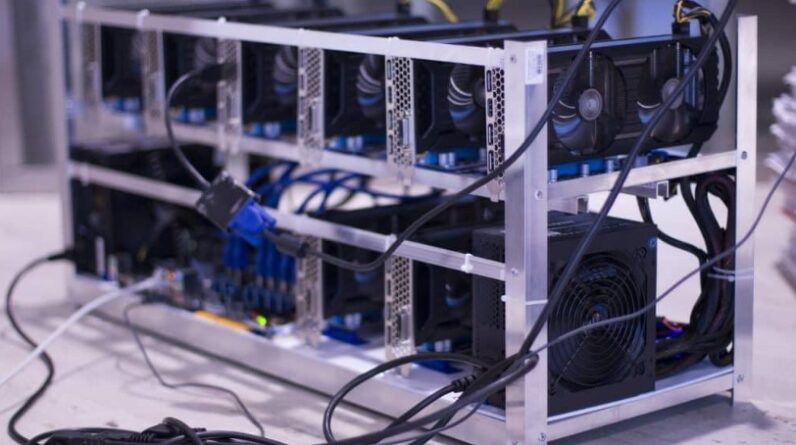
Next, you’ll need to invest in suitable mining hardware. Depending on your budget and goals, you can opt for consumer-grade GPUs or specialized ASIC miners designed for specific cryptocurrencies. Additionally, consider joining a mining pool if you’re starting; this allows you to combine your resources with those of other miners and share rewards more consistently than going solo.
Finally, ensure that you have access to reliable software and a secure wallet for storing your mined coins. Please familiarize yourself with the technical aspects of setting up your mining rig and optimizing its performance for maximum efficiency. With careful planning and dedication, you can embark on your cryptocurrency mining journey and potentially reap its rewards while contributing to this innovative digital economy.
FAQs
What is cryptocurrency mining?
Cryptocurrency mining is the process of validating and adding transactions to a blockchain ledger. Miners use powerful computers to solve complex mathematical problems that verify and secure transactions on the blockchain.
How does cryptocurrency mining work?
Cryptocurrency mining involves using specialized computer hardware to solve complex mathematical problems, thereby validating and securing transactions on a blockchain. Miners are rewarded with newly created coins for their efforts.
What equipment is needed for cryptocurrency mining?
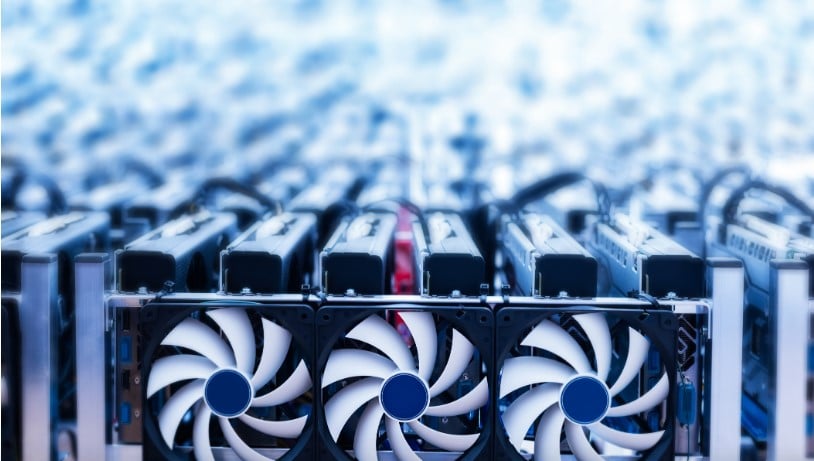
To mine cryptocurrency, miners typically need specialized computer hardware such as ASIC (Application-Specific Integrated Circuit) miners or GPUs (Graphics Processing Units). They also need a stable internet connection and access to a reliable power source.
What are the most commonly mined cryptocurrencies?
Bitcoin is the most commonly mined cryptocurrency, followed by Ethereum. Other popular cryptocurrencies for mining include Litecoin, Monero, and Zcash.
Is cryptocurrency mining profitable?
The profitability of cryptocurrency mining depends on several key factors, including the cost of electricity, the price of the cryptocurrency being mined, and the efficiency of the mining hardware. It can be profitable, but it also carries risks and requires a significant initial investment.
What are the environmental concerns related to cryptocurrency mining?
Cryptocurrency mining can consume a substantial amount of electricity, raising concerns about its environmental impact. Some mining operations rely on fossil fuels, contributing to carbon emissions. Efforts are being made to develop more sustainable mining practices, including the use of renewable energy sources.
RELATED TOPICS ABOUT Cryptocurrency Mining:
Crypto Mining
Cryptocurrency Mining Explained
Bitcoin Mining
Ethereum Mining
What is Cryptocurrency Mining?
How Does Crypto Mining Work?
Crypto Mining Process
Digital Currency Mining
Cryptocurrency Mining Basics
Blockchain Mining
Cryptocurrency Mining for Beginners
Is Crypto Mining Still Profitable in 2025?
Types of Cryptocurrency Mining (asic, Gpu, Cloud)
Crypto Mining Step-by-step
Home Crypto Mining Setup
Cryptocurrency Mining Equipment
Best Coins to Mine in 2025
Environmental Impact of Crypto Mining
Crypto Mining Software and Tools
How to Start Mining Cryptocurrency
Start Mining Cryptocurrency
Learn How Crypto Mining Works
Earn Crypto Through Mining
Beginner’s Guide to Cryptocurrency Mining
How to Mine Bitcoin and Altcoins
============
Content 10/10/G


