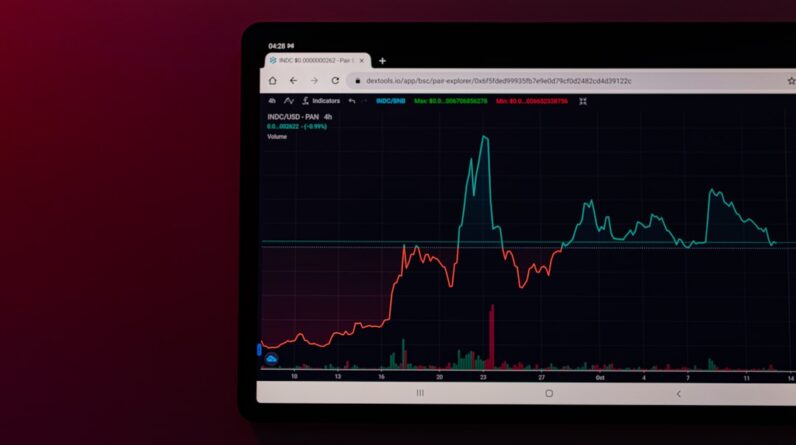
Cryptocurrency is a digital or virtual form of currency that uses cryptography for security, making it nearly impossible to counterfeit or double-spend. Unlike traditional currencies issued by governments, cryptocurrencies operate on decentralized networks based on blockchain technology. This means that transactions are recorded on a public ledger, which is maintained by a network of computers, or nodes, rather than a central authority.
As you delve into the world of cryptocurrency, you will discover that it offers a unique blend of innovation and complexity, challenging conventional financial systems. At its core, cryptocurrency functions through a process called mining, where powerful computers solve complex mathematical problems to validate transactions and add them to the blockchain. This process not only secures the network but also introduces new coins into circulation.
You may find it fascinating that the first and most well-known cryptocurrency, Bitcoin, was created in 2009 by an anonymous person or group known as Satoshi Nakamoto. Since then, thousands of alternative cryptocurrencies have emerged, each with its own unique features and use cases. Understanding how these digital currencies work is essential for anyone looking to navigate the ever-evolving landscape of cryptocurrency.
Key Takeaways
- Cryptocurrency is a digital or virtual form of currency that uses cryptography for security and operates independently of a central bank.
- A cryptocurrency wallet is a software program that stores private and public keys and interacts with various blockchain to enable users to send and receive digital currency and monitor their balance.
- When choosing a cryptocurrency to invest in, it’s important to consider factors such as the technology behind the cryptocurrency, its market demand, and its potential for long-term growth.
- Cryptocurrency investing comes with risks such as volatility and security concerns, but it also offers benefits such as potential for high returns and diversification of investment portfolio.
- Successful cryptocurrency investing strategies include conducting thorough research, diversifying investments, and staying updated on market trends and news.
Getting Started: Setting Up a Cryptocurrency Wallet
To begin your journey into cryptocurrency, the first step is to set up a cryptocurrency wallet. A wallet is a digital tool that allows you to store, send, and receive cryptocurrencies securely. There are several types of wallets available, including hardware wallets, software wallets, and online wallets.
Each type has its own advantages and disadvantages, so it’s crucial to choose one that aligns with your needs and level of expertise. When setting up your wallet, you will typically need to create an account and generate a unique public address, which you can share with others to receive funds. Additionally, you will be given a private key—a secret code that allows you to access your wallet and manage your assets.
It’s vital to keep this private key secure, as anyone with access to it can control your funds. As you familiarize yourself with the wallet setup process, take the time to explore the features offered by different wallets, such as multi-currency support and user-friendly interfaces. This knowledge will empower you to make informed decisions as you begin investing in cryptocurrencies.
Choosing the Right Cryptocurrency to Invest In

With thousands of cryptocurrencies available in the market, selecting the right one to invest in can be overwhelming. To make an informed choice, start by researching the top cryptocurrencies based on market capitalization, technology, and use cases. Bitcoin remains the most popular choice due to its established reputation and widespread acceptance.
However, other cryptocurrencies like Ethereum, Ripple, and Litecoin also offer unique features that may align with your investment goals. As you evaluate potential investments, consider factors such as the project’s whitepaper, the team behind it, and its community support. A well-documented whitepaper outlines the project’s vision and technical details, providing insight into its potential for growth.
Additionally, a strong development team and an active community can indicate a project’s viability in the long term. By conducting thorough research and staying informed about market trends, you can make strategic decisions that align with your investment strategy.
Risks and Benefits of Cryptocurrency Investing
Investing in cryptocurrency comes with its own set of risks and benefits that you should carefully weigh before diving in. On one hand, cryptocurrencies have the potential for significant returns on investment due to their volatility. Prices can skyrocket within a short period, creating opportunities for savvy investors to capitalize on market fluctuations.
Moreover, cryptocurrencies offer diversification benefits for your investment portfolio, as they often behave differently from traditional assets like stocks and bonds. On the other hand, the cryptocurrency market is notoriously volatile and can experience dramatic price swings in a matter of hours. This unpredictability can lead to substantial losses if you’re not prepared for the risks involved.
Additionally, regulatory uncertainties and security concerns surrounding exchanges and wallets can pose challenges for investors. As you navigate this landscape, it’s essential to approach cryptocurrency investing with caution and a clear understanding of both its potential rewards and inherent risks.
Strategies for Successful Cryptocurrency Investing
To maximize your chances of success in cryptocurrency investing, consider adopting various strategies tailored to your risk tolerance and investment goals. One popular approach is dollar-cost averaging (DCA), where you invest a fixed amount of money at regular intervals regardless of market conditions. This strategy helps mitigate the impact of volatility by spreading out your investments over time.
Another effective strategy is diversification—investing in multiple cryptocurrencies rather than putting all your funds into one asset. By diversifying your portfolio, you can reduce risk while still participating in the potential growth of various projects. Additionally, staying disciplined and avoiding emotional decision-making during market fluctuations is crucial for long-term success.
Establishing clear entry and exit points for your investments can help you stick to your strategy even when emotions run high.
Staying Informed: Keeping Up with Market Trends and News

In the fast-paced world of cryptocurrency, staying informed about market trends and news is essential for making sound investment decisions. Follow reputable news sources, blogs, and social media channels dedicated to cryptocurrency updates. Engaging with online communities such as forums or social media groups can also provide valuable insights from fellow investors and enthusiasts.
Consider subscribing to newsletters or podcasts that focus on cryptocurrency analysis and market predictions. These resources can help you stay ahead of emerging trends and developments that may impact your investments. By actively seeking out information and engaging with the cryptocurrency community, you can enhance your understanding of the market and make more informed decisions.
Security Measures: Protecting Your Cryptocurrency Investments
As you invest in cryptocurrency, prioritizing security is paramount to safeguarding your assets from theft or loss. Start by choosing a reputable wallet provider with strong security features such as two-factor authentication (2FA) and encryption. If you’re holding significant amounts of cryptocurrency, consider using a hardware wallet—an offline device that stores your private keys securely away from potential online threats.
Additionally, be cautious about sharing personal information or engaging with unknown platforms that may pose security risks. Regularly update your passwords and enable security features offered by your wallet or exchange to enhance protection against unauthorized access. By implementing these security measures, you can significantly reduce the risk of losing your investments due to cyber threats.
The Future of Cryptocurrency: What to Expect in the Coming Years
The future of cryptocurrency holds immense potential as technology continues to evolve and gain mainstream acceptance. As more businesses adopt blockchain technology for various applications—from supply chain management to digital identity verification—the demand for cryptocurrencies may increase significantly. You might witness further integration of cryptocurrencies into everyday transactions as payment processors develop solutions that facilitate seamless crypto payments.
Moreover, regulatory frameworks are likely to evolve as governments seek to establish guidelines for cryptocurrency use and trading. While this may introduce some challenges for investors, clearer regulations could also enhance market stability and attract institutional investors seeking legitimacy in the space. As you look ahead, staying adaptable and open-minded will be crucial in navigating the dynamic landscape of cryptocurrency investing in the years to come.
In conclusion, understanding cryptocurrency involves grasping its underlying technology and mechanisms while also recognizing the risks and rewards associated with investing in this innovative asset class. By setting up a secure wallet, choosing the right cryptocurrencies, employing effective strategies, staying informed about market trends, prioritizing security measures, and anticipating future developments, you can position yourself for success in this exciting financial frontier.