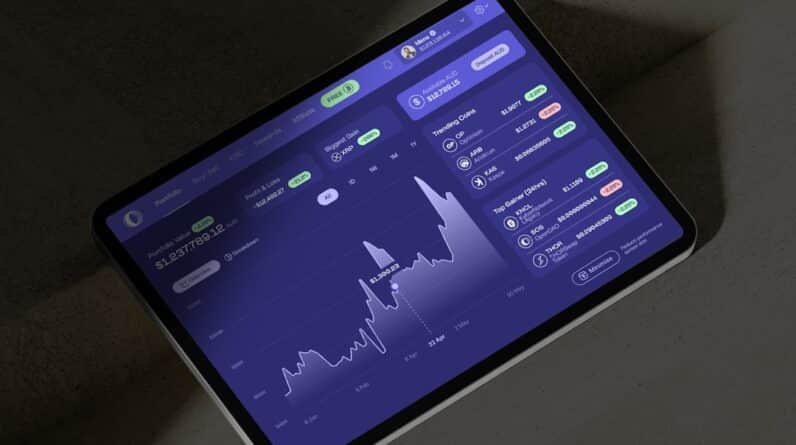
In recent years, you may have noticed a significant surge in the popularity of cryptocurrencies, with Bitcoin leading the charge. This rise has been accompanied by an equally impressive growth in crypto mining, a process that has transformed from a niche hobby into a multi-billion-dollar industry. As more individuals and organizations recognize the potential for profit and investment in digital currencies, the demand for mining has skyrocketed.
You might find it fascinating that what began as a decentralized and relatively simple method of validating transactions has evolved into a complex ecosystem involving sophisticated technology and substantial financial investment. The allure of crypto mining lies not only in the potential for financial gain but also in the underlying technology that powers it. Blockchain technology, which serves as the backbone of cryptocurrencies, has captured the imagination of many.
As you delve deeper into this world, you will discover that mining is not just about earning coins; it’s about participating in a revolutionary shift in how we perceive and manage value. The rise of crypto mining has also sparked discussions about decentralization, security, and the future of finance, making it a topic of great interest for both enthusiasts and skeptics alike.
Key Takeaways
- Crypto mining has seen a significant rise in popularity due to the increasing value and demand for cryptocurrencies.
- Understanding the basics of crypto mining involves the process of validating transactions and adding them to the blockchain using powerful computers.
- The equipment and technology behind crypto mining include specialized hardware such as ASICs and GPUs, as well as mining software and wallets.
- The environmental impact of crypto mining has raised concerns due to its high energy consumption and carbon footprint.
- The profitability of crypto mining depends on factors such as the cost of electricity, the price of cryptocurrencies, and the efficiency of mining equipment.
Understanding the Basics of Crypto Mining
To grasp the concept of crypto mining, you first need to understand its fundamental purpose. At its core, mining is the process by which transactions are verified and added to the blockchain, a public ledger that records all transactions made with a particular cryptocurrency. When you mine, you are essentially competing with other miners to solve complex mathematical problems that validate these transactions.
Once you successfully solve a problem, you are rewarded with newly minted coins, which is how cryptocurrencies are generated. As you explore further, you will realize that mining is not merely about solving puzzles; it also involves maintaining the integrity and security of the blockchain. Each time a transaction is made, it must be confirmed by miners to prevent double-spending and ensure that all parties involved are legitimate.
This decentralized verification process is what makes cryptocurrencies unique compared to traditional financial systems. By participating in mining, you contribute to the overall health of the network while potentially earning rewards for your efforts.
The Equipment and Technology Behind Crypto Mining

When you decide to venture into crypto mining, one of the first considerations is the equipment you’ll need. Initially, many miners used standard personal computers to mine cryptocurrencies like Bitcoin. However, as competition intensified and the difficulty of mining increased, specialized hardware known as ASICs (Application-Specific Integrated Circuits) became necessary for serious miners.
These devices are designed specifically for mining and offer significantly higher processing power than traditional computers. In addition to hardware, you will also need to consider software solutions that facilitate the mining process. Mining software connects your hardware to the blockchain network and helps manage your mining operations.
You may also want to explore cloud mining options, where you can rent mining power from remote data centers instead of investing in your own equipment. This approach can be appealing if you’re looking to minimize upfront costs or if you’re unsure about managing hardware yourself.
The Environmental Impact of Crypto Mining
As you delve deeper into the world of crypto mining, it’s impossible to ignore the environmental concerns associated with it. The energy consumption required for mining operations has raised alarms among environmentalists and policymakers alike. Mining Bitcoin, for instance, requires vast amounts of electricity due to its proof-of-work consensus mechanism, which relies on solving complex mathematical problems.
This high energy demand often leads to increased carbon emissions, especially in regions where fossil fuels are the primary energy source. You may find it interesting that some miners are actively seeking ways to mitigate their environmental impact. Innovations such as renewable energy sources—solar, wind, and hydroelectric power—are being explored as alternatives to traditional energy grids.
Additionally, some cryptocurrencies are transitioning to less energy-intensive consensus mechanisms like proof-of-stake, which could significantly reduce their carbon footprint. As a responsible participant in this space, it’s essential to consider not only your potential profits but also the broader implications of your mining activities on the planet.
The Profitability of Crypto Mining
When contemplating a foray into crypto mining, profitability is likely at the forefront of your mind. The potential for financial gain can be enticing; however, it’s crucial to approach this venture with a clear understanding of the factors that influence profitability. The price of cryptocurrencies can be highly volatile, meaning that your earnings can fluctuate dramatically based on market conditions.
Additionally, the cost of electricity and hardware can significantly impact your bottom line. To maximize your chances of profitability, you should conduct thorough research and consider joining a mining pool. In a mining pool, multiple miners combine their computational power to increase their chances of solving blocks and earning rewards.
This collaborative approach can lead to more consistent payouts compared to solo mining, where you may go long periods without earning anything. By pooling resources with others, you can share both the risks and rewards associated with crypto mining.
The Legal and Regulatory Landscape of Crypto Mining

As you navigate the world of crypto mining, it’s essential to be aware of the legal and regulatory landscape surrounding it. Different countries have varying stances on cryptocurrency and mining activities, ranging from outright bans to supportive regulations aimed at fostering innovation. You may find yourself in a jurisdiction where crypto mining is heavily regulated or even illegal, which could pose significant risks to your investment.
Staying informed about local laws and regulations is crucial for anyone considering entering this space. You should also be aware of potential tax implications related to your mining activities. In many jurisdictions, mined cryptocurrencies are considered taxable income, meaning you’ll need to report your earnings accordingly.
Consulting with legal or financial professionals who specialize in cryptocurrency can help ensure that you remain compliant while maximizing your investment potential.
The Future of Crypto Mining
Looking ahead, the future of crypto mining is likely to be shaped by technological advancements and evolving market dynamics. As cryptocurrencies continue to gain mainstream acceptance, you can expect innovations in mining technology that enhance efficiency and reduce environmental impact. For instance, developments in quantum computing could revolutionize how transactions are verified and processed on blockchain networks.
Moreover, as regulatory frameworks become more established globally, you may see increased legitimacy in the crypto mining industry. This could lead to greater investment opportunities and partnerships between traditional financial institutions and cryptocurrency projects. As a participant in this space, staying informed about trends and developments will be crucial for adapting your strategies and ensuring long-term success.
Tips for Getting Started in Crypto Mining
If you’re ready to embark on your crypto mining journey, there are several tips that can help you get started on the right foot. First and foremost, conduct thorough research on different cryptocurrencies and their respective mining processes. Each coin has its own unique characteristics and requirements; understanding these nuances will help you make informed decisions about which currencies to mine.
Additionally, consider starting small by investing in entry-level hardware or joining a mining pool before committing significant resources. This approach allows you to gain experience without overwhelming financial risk. As you become more comfortable with the process, you can gradually scale up your operations based on your findings and market conditions.
Finally, always keep an eye on market trends and technological advancements within the crypto space. The landscape is constantly evolving; staying informed will enable you to adapt your strategies effectively and maximize your potential for success in this exciting yet challenging field.
FAQs
What is crypto mining?
Crypto mining is the process of validating and adding new transactions to a blockchain, as well as releasing new cryptocurrency coins into circulation. This is done through solving complex mathematical problems using computer hardware.
How does crypto mining work?
Crypto mining involves using computer hardware to solve complex mathematical problems in order to validate and add new transactions to a blockchain. Miners are rewarded with newly created cryptocurrency coins for their efforts.
What is the purpose of crypto mining?
The purpose of crypto mining is to secure and maintain the decentralized nature of a blockchain network by validating and adding new transactions to the blockchain. It also serves as a way to release new cryptocurrency coins into circulation.
What equipment is needed for crypto mining?
Crypto mining typically requires specialized computer hardware, such as ASIC (Application-Specific Integrated Circuit) miners or GPU (Graphics Processing Unit) miners, as well as a stable internet connection and a suitable mining software.
Is crypto mining profitable?
The profitability of crypto mining depends on various factors, including the cost of electricity, the price of the cryptocurrency being mined, the efficiency of the mining hardware, and the overall market conditions. It can be profitable for some miners, but it also carries risks and costs.
What are the environmental concerns related to crypto mining?
Crypto mining has raised concerns about its energy consumption and environmental impact, particularly in the case of proof-of-work cryptocurrencies like Bitcoin. The energy-intensive nature of mining has led to debates about its sustainability and carbon footprint.