Have you found yourself wondering whether cryptocurrencies can really be regulated? It’s a big question that many people are asking as digital currencies continue to make waves in the financial world. Let’s take a closer look at the complexities surrounding the regulation of cryptocurrencies.
Understanding Cryptocurrencies
Cryptocurrencies are digital or virtual currencies that use cryptography for security. They exist on a technology called blockchain, a distributed ledger that records transactions across many computers so that the record cannot be altered retroactively. This makes cryptocurrencies decentralized and generally immune to government control.
Key Features of Cryptocurrencies
-
Decentralization: Unlike traditional currencies, cryptocurrencies like Bitcoin and Ethereum are not controlled by any central authority, such as a government or financial institution. This can make regulation challenging.
-
Anonymity: Many cryptocurrencies offer a level of privacy that traditional banking does not. While transactions are recorded on the blockchain, the identities of the users are not always revealed, complicating regulatory efforts.
-
Global Reach: Cryptocurrencies can be used across borders, making it difficult for any single jurisdiction to implement regulations.
Cryptocurrencies have evolved tremendously since Bitcoin’s emergence in 2009. As they continue to grow, questions of regulation become more pressing.
The Need for Regulation
With the rise of cryptocurrencies, various concerns have emerged. Regulation might help address issues like fraud, money laundering, and consumer protection. Let’s break these down a bit.
Protecting Consumers
You might be thinking about how cryptocurrencies have gained popularity but with popularity comes risks. Many people have lost significant amounts of money due to scams or the volatility of cryptocurrency prices. Regulatory measures can empower consumers, offering them protection against misleading practices or fraud and providing clearer avenues for recourse.
Preventing Illegal Activities
It’s no secret that cryptocurrencies have been used for illicit purposes. Due to their anonymity, they can facilitate money laundering, drug trafficking, and other illegal activities. Regulations could help crack down on these practices, ensuring that the benefits of cryptocurrencies aren’t overshadowed by their misuse.
Ensuring Market Stability
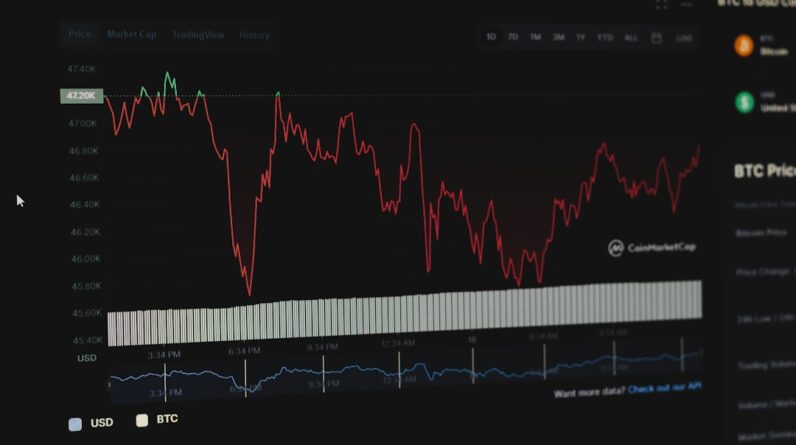
The volatility of cryptocurrencies can ruin investor confidence. A regulated environment could provide more stability but, interestingly enough, might also reduce the speculative nature that attracts many investors. Finding a balance between regulation and market freedom is crucial.

Current State of Regulation
The regulation of cryptocurrencies is not uniform across the globe. Different countries have varying approaches when it comes to cryptocurrency regulations.
Global Variations
-
United States: In the U.S., regulations are still developing. The Securities and Exchange Commission (SEC) often treats certain cryptocurrencies as securities, subjecting them to securities laws. The Commodity Futures Trading Commission (CFTC) oversees certain transactions involving cryptocurrencies, particularly futures trading.
-
European Union: The European Union is working on a framework to create a standardized approach to cryptocurrency regulation across member states. This initiative aims to enhance consumer protection and ensure financial stability.
-
China: In contrast, China has taken a hard stance against cryptocurrencies, outright banning trading and initial coin offerings (ICOs). Their focus is instead on developing a central bank digital currency (CBDC).
-
Japan: Japan has taken a proactive approach by recognizing cryptocurrencies as legal property under the Payment Services Act. This allows for a clearer regulatory framework, which, in turn, boosts consumer trust.
Challenges in Regulation
Regulating cryptocurrencies is not straightforward. You’ll find a few key challenges that regulators face:
-
Technological Complexity: The technology behind cryptocurrencies is sophisticated. Regulators often lack the technical expertise to understand how these systems work fully.
-
Jurisdictional Issues: Cryptocurrencies can be traded globally, making it hard to enforce regulations that are limited to one jurisdiction.
-
Rapid Evolution: The cryptocurrency landscape changes quickly as new technologies and coins emerge. Staying ahead of these changes is a constant challenge.
Approaches to Cryptocurrency Regulation
While a one-size-fits-all approach may not work, there are certainly various regulatory frameworks and strategies that can be adapted based on the local context.
Licensing Schemes
Implementing licensing requirements for cryptocurrency exchanges and businesses can help protect consumers and ensure that market players operate within a regulated environment. This means only vetted, compliant entities can engage in cryptocurrency transactions.
Taxation
Some countries impose taxes on cryptocurrency transactions, viewing these digital assets as taxable entities just like traditional investments. Tax clarity can serve several roles, including discouraging illicit activities and ensuring governments benefit from the booming market.
Consumer Education
Regulation doesn’t just have to be about enforcement. Educating consumers about the risks and rewards of cryptocurrency can empower them to make informed decisions. This could involve simple guidelines on identifying scams or understanding market fluctuations.

International Cooperation
Given the global nature of cryptocurrencies, international cooperation is essential for effective regulation. Here’s why:
Harmonizing Regulations
By cooperatively establishing common standards, nations can reduce regulatory arbitrage—where businesses move to jurisdictions with more lenient regulations. This is particularly vital for controls on money laundering and terrorist financing.
Sharing Information
Collaboration could also include shared databases and information about cryptocurrency transactions and regulations. This could enhance monitoring and compliance efforts globally.
Setting Global Standards
An effective regulation framework can foster better understanding and trust in cryptocurrency markets, benefiting everyone from consumers to legitimate businesses engaging in these digital assets.
The Future of Cryptocurrency Regulation
As the cryptocurrency market continues to evolve, regulatory frameworks must adapt. You might be pondering what the future holds for cryptocurrency regulation.
Enhanced Regulatory Clarity
In the coming years, clearer guidelines are likely to emerge. Regulatory bodies might formalize stances on various aspects of cryptocurrency, such as taxation, ICOs, and cryptocurrency exchanges. Well-defined regulations can foster a healthier cryptocurrency ecosystem.
Central Bank Digital Currencies (CBDCs)
As some nations explore CBDCs—government-issued digital currencies—this could alter the regulatory landscape. Whether these currencies compete with or complement existing cryptocurrencies will surely spark debates about their implications.
Balancing Innovation and Regulation
As regulations evolve, there will be an ongoing challenge to balance innovation with consumer protection. Striking this balance can support responsible innovation in the cryptocurrency space while safeguarding the interests of investors and consumers.

Conclusion
Ultimately, whether cryptocurrencies can be regulated is an intricate question filled with nuances and complexities. There are compelling arguments on both sides of the conversation. Regulations could protect consumers and foster trust, but they might also hinder the very innovation that makes cryptocurrencies appealing.
The path forward involves a nuanced understanding of the unique characteristics of cryptocurrencies, the challenges of regulatory implementation, and a commitment to international cooperation. As you navigate this changing landscape, staying informed about the ongoing discussions and developments will be essential.
So, as you think about the role of regulation in the world of cryptocurrencies, consider how it affects not only the market but also your own choices and investments. The future holds unlimited potential, and your insights and decisions matter in shaping it.