
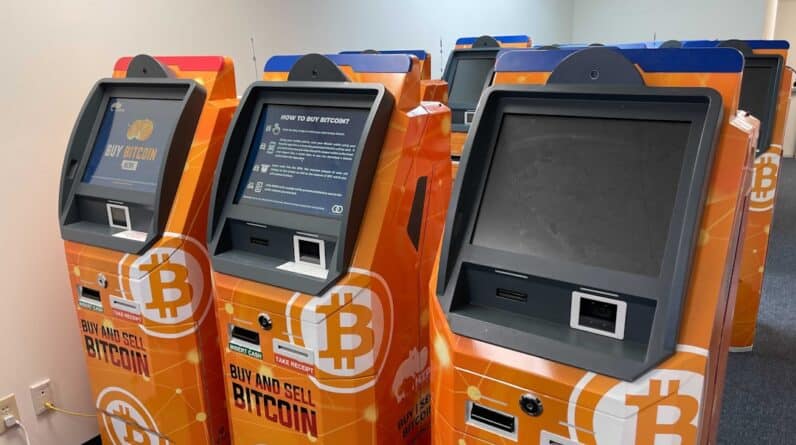
To grasp the significance of Bitcoin and cryptocurrency, you must first understand what they are. Bitcoin, created in 2009 by an anonymous entity known as Satoshi Nakamoto, is a decentralized digital currency that operates on a technology called blockchain. This technology allows transactions to be recorded on a public ledger, ensuring transparency and security without the need for a central authority.
As you delve deeper into the world of cryptocurrency, you’ll discover that it encompasses a wide range of digital currencies, each with its unique features and purposes. While Bitcoin remains the most recognized and widely used, thousands of alternative cryptocurrencies, or altcoins, have emerged, each vying for a place in the digital economy. As you explore this landscape, it’s essential to recognize the underlying principles that drive cryptocurrencies.
They are built on the concepts of decentralization, security, and anonymity. Unlike traditional currencies issued by governments, cryptocurrencies are not controlled by any single entity, which can lead to greater financial freedom for users. However, this also means that you must navigate a more complex regulatory environment.
Understanding these dynamics will empower you to make informed decisions about integrating Bitcoin and other cryptocurrencies into your business model.
Key Takeaways
- Bitcoin is a type of cryptocurrency that operates independently of a central bank and uses encryption techniques to regulate the generation of units and verify the transfer of funds.
- Accepting Bitcoin payments can provide businesses with lower transaction fees, reduced risk of fraud, and access to a global customer base.
- Setting up a Bitcoin wallet for your business involves choosing a secure wallet provider, generating a unique receiving address, and implementing security measures such as two-factor authentication.
- Integrating Bitcoin payment options on your website can be done through third-party payment processors or by using a Bitcoin payment gateway to accept payments directly.
- Calculating and managing Bitcoin transactions involves understanding exchange rates, transaction fees, and the potential for price volatility.
- Addressing security concerns with Bitcoin payments requires implementing strong security measures, educating employees, and staying informed about potential threats.
- Communicating Bitcoin acceptance to customers can be done through website banners, social media posts, and in-store signage to inform and educate customers about the payment option.
- Accepting Bitcoin payments may have tax implications, and businesses should consult with tax professionals to ensure compliance with tax laws and regulations.
- Managing volatility and exchange rates with Bitcoin involves using hedging strategies, setting clear pricing policies, and staying informed about market trends.
- Utilizing Bitcoin for international transactions can provide businesses with faster and cheaper cross-border payments compared to traditional banking methods.
- Case studies of successful businesses accepting Bitcoin payments can provide insights into the benefits and challenges of integrating Bitcoin into a business model.
Benefits of Accepting Bitcoin Payments for Your Business
Accepting Bitcoin payments can offer numerous advantages for your business. One of the most compelling benefits is the potential for lower transaction fees compared to traditional payment methods. Credit card companies and banks often charge hefty fees for processing transactions, which can eat into your profit margins.
In contrast, Bitcoin transactions typically involve lower fees, especially for international payments. By embracing this digital currency, you can enhance your bottom line while providing customers with a more cost-effective payment option. Another significant advantage is the ability to attract a new customer base.
As cryptocurrencies gain popularity, more consumers are looking for businesses that accept them. By offering Bitcoin as a payment option, you position your business as forward-thinking and innovative, appealing to tech-savvy customers who prefer using digital currencies. This can lead to increased sales and customer loyalty, as you cater to a growing demographic that values convenience and modern payment solutions.
Setting Up a Bitcoin Wallet for Your Business
To start accepting Bitcoin payments, you’ll need to set up a Bitcoin wallet specifically for your business. A wallet is essentially a digital tool that allows you to store, send, and receive Bitcoin securely. There are various types of wallets available, including software wallets, hardware wallets, and online wallets.
Each type has its pros and cons, so it’s crucial to choose one that aligns with your business needs and security preferences. When selecting a wallet, consider factors such as ease of use, security features, and compatibility with other payment systems. For instance, if you anticipate frequent transactions, a software wallet may be more convenient due to its accessibility on multiple devices.
On the other hand, if security is your primary concern, a hardware wallet may be the best choice as it stores your private keys offline, reducing the risk of hacking. Once you’ve chosen a wallet and completed the setup process, you’ll be ready to start accepting Bitcoin payments from your customers.
Integrating Bitcoin Payment Options on Your Website
Integrating Bitcoin payment options into your website is a crucial step in facilitating transactions with customers who prefer this digital currency. To do this effectively, you’ll need to choose a reliable payment processor that specializes in cryptocurrency transactions. These processors act as intermediaries between your business and the Bitcoin network, simplifying the payment process and ensuring secure transactions.
Once you’ve selected a payment processor, you’ll need to follow their guidelines for integration. This typically involves adding a payment button or link to your website’s checkout page. Many processors offer plugins or APIs that make this process seamless, allowing you to customize the payment experience to match your brand’s aesthetic.
As you implement these changes, ensure that the checkout process remains user-friendly and straightforward to encourage customers to complete their purchases.
How to Calculate and Manage Bitcoin Transactions
Managing Bitcoin transactions requires an understanding of how to calculate their value in real-time. Since Bitcoin’s price is highly volatile and can fluctuate significantly within short periods, it’s essential to stay updated on current exchange rates. Many businesses use cryptocurrency price tracking tools or APIs that provide real-time data on Bitcoin’s value against traditional currencies like the US dollar or euro.
When processing transactions, you’ll need to convert the amount due in fiat currency into Bitcoin at the current exchange rate. This can be done automatically through your payment processor or manually if you’re handling transactions directly. Additionally, it’s crucial to keep accurate records of all transactions for accounting purposes.
This includes noting the date, amount in Bitcoin, equivalent fiat value at the time of transaction, and any associated fees. By maintaining organized records, you’ll be better equipped to manage your finances and prepare for tax obligations.
Addressing Security Concerns with Bitcoin Payments
Security is a paramount concern when it comes to accepting Bitcoin payments. As you venture into this digital currency space, it’s vital to implement robust security measures to protect your business and customers from potential threats. One of the first steps is ensuring that your chosen wallet has strong encryption and two-factor authentication (2FA) enabled.
These features add an extra layer of protection against unauthorized access. Additionally, educating yourself and your staff about common security risks associated with cryptocurrency transactions is essential. Phishing attacks, where malicious actors attempt to steal sensitive information by masquerading as legitimate entities, are prevalent in the crypto space.
By training your team on how to recognize these threats and respond appropriately, you can significantly reduce the risk of falling victim to such scams. Regularly updating your software and security protocols will also help safeguard your business against emerging threats.
Communicating Bitcoin Acceptance to Customers
Once you’ve set up your Bitcoin payment system, it’s time to inform your customers about this new payment option. Effective communication is key to ensuring that your customers are aware of the benefits of using Bitcoin and how they can utilize it during their shopping experience. Start by prominently displaying information about Bitcoin acceptance on your website’s homepage and checkout page.
Consider creating educational content that explains what Bitcoin is and how it works for those who may be unfamiliar with it. This could include blog posts, FAQs, or even video tutorials that guide customers through the process of making a purchase with Bitcoin. Additionally, leverage social media platforms to announce your acceptance of Bitcoin payments and engage with your audience by answering any questions they may have.
By fostering open communication about this new payment method, you can build trust with your customers and encourage them to embrace this innovative approach.
Tax Implications of Accepting Bitcoin Payments
Accepting Bitcoin payments comes with specific tax implications that you must understand as a business owner. In many jurisdictions, cryptocurrencies are treated as property rather than currency for tax purposes. This means that when you receive Bitcoin as payment for goods or services, you may be required to report any gains or losses based on its fair market value at the time of the transaction.
It’s crucial to keep detailed records of all Bitcoin transactions for tax reporting purposes. This includes noting the date of each transaction, the amount received in Bitcoin, its equivalent value in fiat currency at that time, and any associated fees incurred during the transaction process. Consulting with a tax professional who specializes in cryptocurrency can help ensure compliance with local regulations and provide guidance on how to navigate potential tax liabilities effectively.
Managing Volatility and Exchange Rates with Bitcoin
One of the most significant challenges associated with accepting Bitcoin payments is managing its inherent volatility. The price of Bitcoin can fluctuate dramatically within short periods, which can impact your revenue if not managed properly. To mitigate this risk, consider implementing strategies such as converting received Bitcoin into fiat currency promptly after each transaction.
Many businesses choose to use payment processors that offer automatic conversion features, allowing them to receive payments in their local currency while still accepting Bitcoin from customers. This approach helps shield your business from price fluctuations while still providing customers with the option to pay using cryptocurrency. Additionally, staying informed about market trends and utilizing tools that track price movements can help you make informed decisions regarding when to convert or hold onto received Bitcoin.
Utilizing Bitcoin for International Transactions
One of the most appealing aspects of accepting Bitcoin payments is its potential for facilitating international transactions seamlessly. Traditional cross-border payments often involve high fees and lengthy processing times due to intermediaries like banks or payment processors. In contrast, Bitcoin allows for near-instantaneous transfers across borders without the need for intermediaries.
By accepting Bitcoin for international transactions, you can expand your customer base beyond local markets while reducing transaction costs associated with currency conversion and international wire transfers. This can be particularly advantageous for e-commerce businesses looking to tap into global markets without incurring excessive fees or delays in processing payments.
Case Studies: Successful Businesses Accepting Bitcoin Payments
Examining successful case studies of businesses that have embraced Bitcoin payments can provide valuable insights into best practices and potential pitfalls. For instance, companies like Overstock.com have been pioneers in accepting Bitcoin since 2014, allowing customers to purchase a wide range of products using cryptocurrency. Their early adoption not only attracted tech-savvy consumers but also positioned them as leaders in innovation within their industry.
Another notable example is Tesla’s acceptance of Bitcoin for vehicle purchases in 2021 (though they later suspended this option). This move generated significant media attention and showcased how major corporations could leverage cryptocurrency to enhance their brand image while appealing to a growing demographic interested in digital currencies. By studying these examples and others like them, you can glean inspiration for implementing your own Bitcoin payment strategy while avoiding common mistakes made by businesses navigating this evolving landscape.
In conclusion, embracing Bitcoin payments offers numerous benefits for businesses willing to adapt to this new financial landscape. From attracting new customers to reducing transaction costs and facilitating international transactions, the advantages are compelling. However, it’s essential to approach this transition thoughtfully by understanding the technology behind cryptocurrencies, addressing security concerns, managing volatility, and staying compliant with tax regulations.
By doing so, you position your business not only as a modern player in the market but also as an innovator ready to meet the demands of an increasingly digital economy.
FAQs
What is Bitcoin?
Bitcoin is a decentralized digital currency that allows for peer-to-peer transactions without the need for a central authority or intermediary.
How can businesses accept Bitcoin payments?
Businesses can accept Bitcoin payments by setting up a digital wallet, using a payment processor that supports Bitcoin, or integrating a Bitcoin payment gateway into their existing payment system.
What are the benefits of accepting Bitcoin payments for businesses?
Accepting Bitcoin payments can provide businesses with lower transaction fees, faster international transactions, increased security, and access to a new customer base that prefers using cryptocurrency.
What are the risks of accepting Bitcoin payments for businesses?
The risks of accepting Bitcoin payments for businesses include price volatility, regulatory uncertainty, and the potential for fraudulent transactions.
How can businesses mitigate the risks of accepting Bitcoin payments?
Businesses can mitigate the risks of accepting Bitcoin payments by using reputable payment processors, implementing strong security measures, and staying informed about regulatory developments in the cryptocurrency space.
Is it legal for businesses to accept Bitcoin payments?
The legality of accepting Bitcoin payments for businesses varies by jurisdiction. It is important for businesses to consult with legal and financial advisors to ensure compliance with relevant laws and regulations.
Can businesses convert Bitcoin payments to fiat currency?
Yes, businesses can convert Bitcoin payments to fiat currency through cryptocurrency exchanges or payment processors that offer conversion services.
What are some businesses that currently accept Bitcoin payments?
Some businesses that currently accept Bitcoin payments include Microsoft, Overstock, Shopify, and Expedia, as well as a growing number of small and medium-sized businesses around the world.


