

In the ever-evolving landscape of digital currencies, cryptocurrency nodes play a pivotal role in maintaining the integrity and functionality of blockchain networks. As we delve into the world of cryptocurrencies, it becomes increasingly clear that understanding nodes is essential for anyone interested in the mechanics of these decentralized systems. Nodes are not just technical components; they are the backbone of the entire cryptocurrency ecosystem, ensuring that transactions are processed, verified, and recorded accurately.
As we embark on this exploration, we will uncover the various facets of cryptocurrency nodes, from their fundamental definitions to their operational mechanics. We will also examine the different types of nodes, their significance within the network, and the benefits and challenges associated with running one. By the end of this journey, we hope to provide a comprehensive understanding of cryptocurrency nodes and their critical role in shaping the future of digital finance.
Key Takeaways
- Cryptocurrency nodes are essential for the functioning of a decentralized network
- A cryptocurrency node is a computer that participates in the network by validating and relaying transactions
- Cryptocurrency nodes work by communicating with other nodes to maintain a consensus on the state of the network
- There are different types of cryptocurrency nodes, including full nodes, light nodes, and mining nodes
- Cryptocurrency nodes play a crucial role in maintaining the security and integrity of the network, as well as in validating transactions
What is a Cryptocurrency Node?
Node Communication and Data Sharing
Nodes communicate with one another to share data, ensuring that every participant has access to the same information.
Types of Nodes
There are different types of nodes, each serving a unique purpose within the network. Some nodes are full nodes, which store the entire blockchain and validate all transactions independently. Others may be lightweight or SPV (Simplified Payment Verification) nodes, which do not store the entire blockchain but still participate in transaction verification by relying on full nodes.
Benefits of Node Diversity
This diversity in node types allows for a more flexible and scalable network, accommodating various user needs and technical capabilities.
How Cryptocurrency Nodes Work
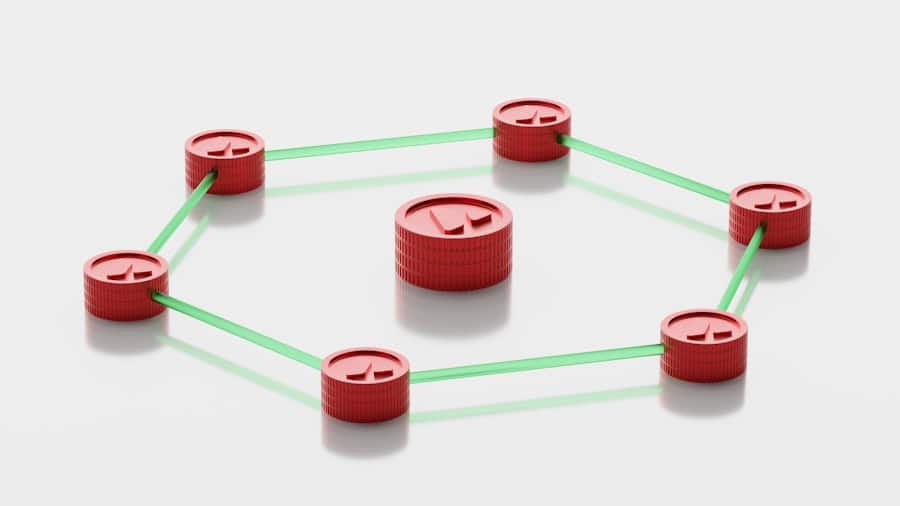
The operation of cryptocurrency nodes is rooted in complex algorithms and protocols that govern how data is processed and shared across the network. When a transaction is initiated, it is broadcasted to all connected nodes. Each node then verifies the transaction against its copy of the blockchain to ensure that it adheres to the network’s rules—such as confirming that the sender has sufficient funds and that the transaction is properly signed.
Once verified, the transaction is grouped with others into a block. This block is then propagated through the network, where full nodes validate it before adding it to their copy of the blockchain. This process not only ensures that transactions are legitimate but also helps maintain consensus across all nodes.
The decentralized nature of this system means that no single entity has control over the entire network, making it resistant to censorship and fraud.
Types of Cryptocurrency Nodes
As we explore the different types of cryptocurrency nodes, we can categorize them primarily into three main groups: full nodes, lightweight nodes, and mining nodes. Full nodes are crucial for maintaining the integrity of the blockchain. They download and store the entire blockchain history, validating every transaction and block independently.
By doing so, they contribute to the overall security and decentralization of the network. Lightweight nodes, on the other hand, do not store the entire blockchain but instead rely on full nodes for transaction verification. These nodes are often used in mobile wallets or applications where storage capacity is limited.
They provide users with a convenient way to interact with the blockchain without needing extensive resources. Lastly, mining nodes are specialized full nodes that compete to solve complex mathematical problems in order to add new blocks to the blockchain. These nodes play a critical role in securing the network while also earning rewards for their efforts.
The Role of Cryptocurrency Nodes in the Network
The role of cryptocurrency nodes extends beyond mere transaction validation; they are integral to maintaining network security and decentralization. By distributing copies of the blockchain across numerous nodes worldwide, we create a resilient system that is less susceptible to attacks or failures. If one node goes offline or is compromised, others continue to operate normally, ensuring that the network remains functional.
Moreover, nodes facilitate communication between users and the blockchain. They relay information about transactions and blocks, allowing users to access real-time data about their holdings and activities on the network. This connectivity fosters transparency and trust among participants, as everyone can verify transactions independently without relying on a central authority.
Benefits and Challenges of Running a Cryptocurrency Node

Running a cryptocurrency node comes with its own set of benefits and challenges. On one hand, operating a node allows us to contribute directly to the health and security of the network. By validating transactions and blocks, we play an active role in maintaining decentralization and preventing fraud.
Additionally, running a full node can enhance our privacy since we do not need to rely on third-party services for transaction verification. However, there are challenges associated with running a node as well. The technical requirements can be demanding; full nodes often require significant storage space, processing power, and bandwidth.
For those who are less technically inclined, setting up and maintaining a node can be daunting. Furthermore, while running a node can provide certain benefits—such as increased privacy—it does not guarantee financial rewards like mining does.
How to Set Up a Cryptocurrency Node
Setting up a cryptocurrency node may seem intimidating at first, but with careful planning and execution, it can be a rewarding endeavor. The first step involves selecting which cryptocurrency network we wish to join; popular options include Bitcoin, Ethereum, and Litecoin. Once we have made our choice, we need to download the appropriate software for that specific blockchain.
After installing the software, we must ensure that our computer meets the necessary hardware requirements—this typically includes sufficient storage space for the entire blockchain and adequate processing power for transaction validation. Once everything is set up, we can connect our node to the network by syncing it with other existing nodes. This process may take some time as our node downloads the entire blockchain history.
The Future of Cryptocurrency Nodes
As we look ahead to the future of cryptocurrency nodes, several trends and developments are worth considering. With advancements in technology and increasing interest in decentralized finance (DeFi), we may see an evolution in how nodes operate and interact within networks. For instance, improvements in scalability solutions could lead to lighter-weight nodes becoming more prevalent, allowing more users to participate without needing extensive resources.
Moreover, as regulatory frameworks around cryptocurrencies continue to develop globally, we may witness changes in how nodes are perceived and operated. Increased scrutiny could lead to enhanced security measures or even incentivization programs for node operators to ensure compliance with regulations while maintaining decentralization principles. In conclusion, cryptocurrency nodes are fundamental components of blockchain networks that ensure security, transparency, and decentralization.
As we continue to explore this dynamic field, understanding how these nodes function will be crucial for anyone looking to engage with cryptocurrencies meaningfully. Whether we choose to run our own node or simply interact with existing ones, our awareness of their importance will undoubtedly shape our experience in this digital financial landscape.
FAQs
What is a cryptocurrency node?
A cryptocurrency node is a computer that participates in the network of a specific cryptocurrency. It helps to maintain the network’s security, transparency, and functionality by validating and relaying transactions, as well as keeping a copy of the blockchain.
What is the function of a cryptocurrency node?
The main function of a cryptocurrency node is to validate and relay transactions on the network. It also helps to maintain the integrity and security of the blockchain by storing a copy of the entire transaction history.
How does a cryptocurrency node work?
A cryptocurrency node works by connecting to other nodes in the network and sharing information about transactions and blocks. It validates transactions and blocks according to the consensus rules of the cryptocurrency, and helps to propagate this information throughout the network.
Do I need to run a cryptocurrency node to use cryptocurrency?
No, you do not need to run a cryptocurrency node to use cryptocurrency. Most users interact with cryptocurrency through wallets and exchanges, which handle the node functions on their behalf. Running a node is typically done by more advanced users or those who want to contribute to the network’s security and decentralization.
What are the different types of cryptocurrency nodes?
There are different types of cryptocurrency nodes, including full nodes, light nodes, and mining nodes. Full nodes store a complete copy of the blockchain and validate all transactions, while light nodes rely on other nodes for transaction validation. Mining nodes are specialized nodes that participate in the process of adding new blocks to the blockchain through mining.


