
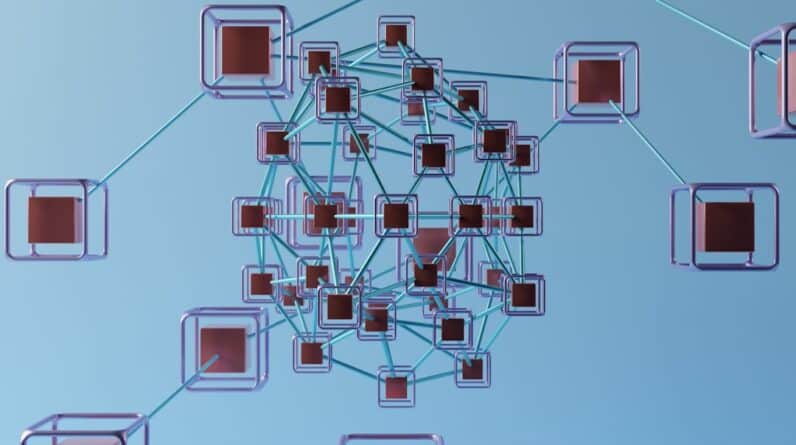
In the realm of blockchain technology, the term “full node” refers to a computer that participates in the network by maintaining a complete copy of the blockchain. This means that a full node stores every transaction ever made on the network, ensuring that it has access to the entire history of the blockchain. By doing so, full nodes play a crucial role in validating and relaying transactions, thereby contributing to the overall health and integrity of the network.
Unlike lightweight nodes, which only download a portion of the blockchain, full nodes provide a comprehensive view of the entire ledger, making them essential for anyone who wishes to engage deeply with the blockchain ecosystem. As we delve deeper into what constitutes a full node, we realize that these nodes are not merely passive participants; they actively enforce the rules of the network. Each full node independently verifies transactions and blocks against the consensus rules of the blockchain.
This means that they check for validity before accepting any new data into their copy of the blockchain. By doing so, full nodes help to prevent fraudulent transactions and ensure that all participants in the network are operating under the same set of rules. This decentralized verification process is what makes blockchain technology so robust and trustworthy.
Key Takeaways
- A full node is a computer that fully validates transactions and blocks on the blockchain.
- Running a full node provides security and privacy by allowing users to verify their own transactions without relying on third parties.
- Supporting the network by running a full node helps to maintain the integrity and decentralization of the blockchain.
- Verifying transactions on a full node ensures that all transactions are valid and follow the consensus rules of the network.
- Contributing to decentralization by running a full node helps to distribute power and control away from centralized entities.
Security and Privacy
When we consider the security aspects of running a full node, it becomes clear that these nodes significantly enhance the overall security of the blockchain network. By maintaining a complete copy of the blockchain, full nodes can detect any discrepancies or attempts at double-spending. This vigilance is crucial in preventing malicious actors from manipulating the system.
Furthermore, because full nodes validate transactions independently, they reduce reliance on third parties, which can often be points of failure or vulnerability in centralized systems. The decentralized nature of full nodes ensures that no single entity has control over the entire network, thereby enhancing its resilience against attacks. In terms of privacy, operating a full node can offer us greater anonymity compared to using lightweight clients or third-party services.
When we run our own full node, we do not need to rely on external servers to access the blockchain. This means that our transaction data is not exposed to potential surveillance or data collection by third parties. By interacting directly with the blockchain through our own node, we can maintain a higher level of privacy and control over our financial activities.
This aspect is particularly appealing in an age where data privacy is increasingly under threat.
Supporting the Network
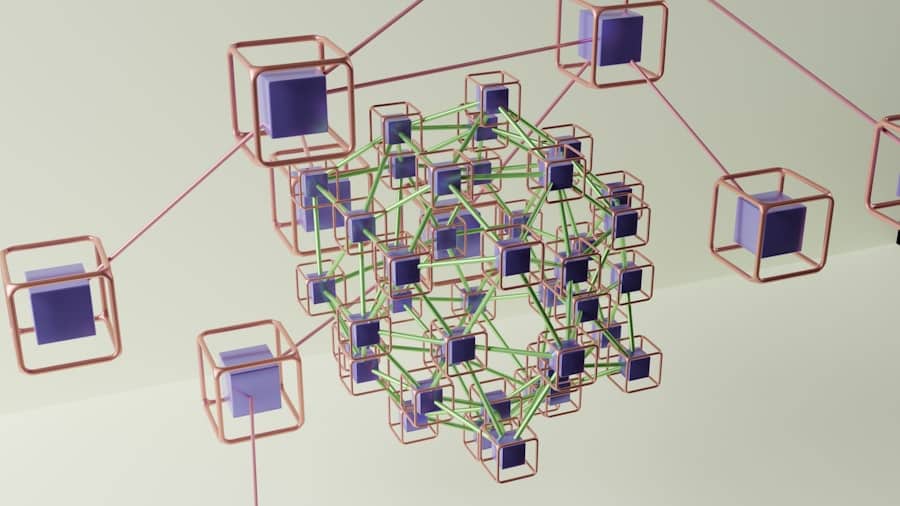
By running a full node, we actively support the blockchain network in several meaningful ways. First and foremost, we contribute to its stability and reliability. Each additional full node strengthens the network by providing more points of validation and data storage.
This redundancy is vital for ensuring that the network remains operational even if some nodes go offline or are compromised. The more full nodes there are, the harder it becomes for any malicious actor to disrupt the network or manipulate transaction data. Moreover, our participation as full node operators helps to distribute power more evenly across the network.
In many blockchain systems, especially those that rely on proof-of-work or proof-of-stake mechanisms, having a diverse array of nodes ensures that no single entity can dominate decision-making processes or control transaction validation. By supporting the network in this way, we help to foster a more equitable and decentralized environment where all participants have an equal say in governance and protocol changes.
Verifying Transactions
One of the primary functions of a full node is to verify transactions before they are added to the blockchain. This process involves checking each transaction against a set of consensus rules to ensure its validity. For instance, a full node will confirm that the sender has sufficient funds to complete a transaction and that the transaction has not already been spent elsewhere.
This verification process is crucial for maintaining trust within the network, as it prevents fraudulent activities such as double-spending. As we engage in this verification process, we also contribute to the overall efficiency of the network. Full nodes help to propagate valid transactions quickly across the network, ensuring that they reach miners and other nodes without unnecessary delays.
This efficiency is vital for maintaining a smooth user experience and ensuring that transactions are processed in a timely manner. By verifying transactions ourselves, we take an active role in maintaining the integrity and functionality of the blockchain ecosystem.
Contributing to Decentralization
Decentralization is one of the core principles of blockchain technology, and by running a full node, we play an essential role in promoting this ideal. In a decentralized network, power and control are distributed among many participants rather than concentrated in a few hands. Full nodes help to achieve this by ensuring that no single entity can dominate transaction validation or influence consensus decisions.
Each full node operates independently, which means that even if some nodes are compromised or go offline, the network remains resilient. Furthermore, our participation as full node operators encourages others to join in and contribute to decentralization as well. When we share our experiences and knowledge about running a full node, we inspire others to take similar steps.
This collective effort helps to create a more robust and diverse network where various stakeholders can participate equally. As more individuals and organizations run their own full nodes, we collectively strengthen the foundation of decentralization upon which blockchain technology is built.
Learning about Blockchain Technology

Running a full node provides us with an invaluable opportunity to deepen our understanding of blockchain technology. As we set up and maintain our own node, we gain hands-on experience with various aspects of the blockchain ecosystem, including how transactions are processed, how blocks are created, and how consensus mechanisms function. This practical knowledge can be incredibly beneficial for anyone looking to pursue a career in technology or finance.
Moreover, engaging with our own full node allows us to explore advanced topics such as smart contracts, decentralized applications (dApps), and governance models within different blockchain networks. As we encounter challenges and troubleshoot issues while operating our node, we develop problem-solving skills that can be applied in various contexts beyond just blockchain technology. This learning experience not only enhances our technical expertise but also empowers us to become informed advocates for decentralized technologies.
Potential for Rewards
In addition to the educational benefits of running a full node, there may also be potential financial rewards associated with our participation in certain blockchain networks. Some networks incentivize full node operators by offering rewards for validating transactions or participating in governance decisions. For example, in proof-of-stake systems, running a full node can allow us to earn staking rewards based on our contributions to transaction validation.
While these rewards can vary significantly depending on the specific blockchain protocol, they provide an additional incentive for us to engage actively with the network. By aligning our interests with those of the network, we not only contribute to its success but also stand to benefit financially from our involvement. This potential for rewards can make running a full node an attractive proposition for both seasoned investors and newcomers alike.
Empowering the Community
Ultimately, running a full node empowers us as individuals and as members of a larger community. By taking control of our own participation in the blockchain ecosystem, we assert our independence from centralized authorities and third-party intermediaries. This empowerment fosters a sense of agency and responsibility within us as we contribute to building a more equitable financial system.
Moreover, as we share our knowledge and experiences with others in our community, we help to create an informed and engaged user base that understands the importance of decentralization and security in blockchain technology. This collective empowerment can lead to greater advocacy for policies that support open-source development and innovation within the space. By working together as informed participants in this ecosystem, we can drive positive change and contribute to shaping the future of finance and technology for generations to come.
FAQs
What is a full node?
A full node is a computer that fully validates transactions and blocks on the Bitcoin network. It enforces all of the rules of the Bitcoin protocol, and stores a complete copy of the blockchain.
What are the benefits of running a full node?
Running a full node helps to support the Bitcoin network by validating and relaying transactions. It also provides a higher level of security and privacy for the user, as they do not have to rely on a third party to validate transactions.
How does running a full node contribute to the Bitcoin network?
By running a full node, users help to decentralize the Bitcoin network and ensure its security and reliability. Full nodes also help to prevent attacks and ensure that the rules of the Bitcoin protocol are being followed.
What are the hardware and software requirements for running a full node?
Running a full node requires a computer with sufficient storage space and processing power to store and validate the entire blockchain. Users also need to run Bitcoin Core software, which is the reference implementation of the Bitcoin protocol.
Are there any potential drawbacks to running a full node?
Running a full node requires a significant amount of bandwidth and storage space, which can be a drawback for some users. Additionally, it may require regular maintenance and updates to ensure that the node is running smoothly.


